How to Get Rid of Sewer Gas Smell From Sump Pump
A practical, step-by-step guide to eliminate sewer gas odors around your sump pump. Learn how to diagnose causes, reseal traps, inspect vents and check valves, clean the pit, and prevent future smells.


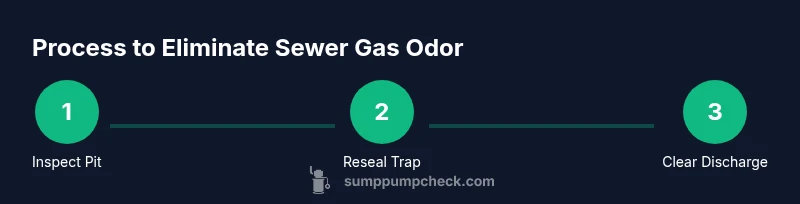
You can stop sewer gas smells from a sump pump by inspecting the pit, trap, and discharge line, resealing the trap, clearing blockages, and deodorizing safely. According to Sump Pump Check, common causes include a dry trap, blocked vent, or faulty check valve. This guide shows a practical, step-by-step approach you can follow today.
Why sewer gas smells appear around sump pumps
Sewer gas odors near a sump pump usually signal a plumbing issue rather than a failure of the pump itself. In basements and crawl spaces, the sump pit collects groundwater and can become a pressure point where sewer gases travel up through the drain, vent piping, or cracks in the pit. According to Sump Pump Check, many odors start with simple causes you can fix without expensive repairs. A dry trap, a blocked vent, or a faulty check valve are common culprits. Gases like hydrogen sulfide and methane can produce a rotten-egg smell and should not be ignored, especially if you notice sneezing, dizziness, or headaches in the area. Addressing odors quickly protects indoor air quality and reduces the risk of gas buildup. The good news is that many homeowners can diagnose and neutralize the problem with a systematic approach and the right safety precautions.
Common causes of sewer gas odors in the sump pit
Odors originate from several points in the sump system. A dry trap: If the water in the trap evaporates, sewer gases can backslide into the basement. Venting problems: Inadequate ventilation or a blocked vent can push gas into living spaces. Faulty check valve or backflow: If the discharge line doesn't close properly, gas can travel back toward the pit. Cracked pit cover or loose fittings: Gaps around the lid allow odors to escape. Blocked discharge line: Debris and slime can form clogs, increasing pressure and forcing gas out through seals. Finally, nearby drains connected to the same sewer line may share odors if the home’s main line is overloaded or blocked. Regular maintenance helps you catch these issues early.
How to inspect your sump pit and discharge system
Start by powering down the sump pump and putting on PPE. Remove the lid carefully and inspect the pit for cracks or gaps. Check the trap water level; a dry trap will allow sewer gases to escape, so add clean water to restore the seal. Inspect the discharge line for visible blockages and ensure the check valve is correctly oriented and sealing. Look for loose fittings or a cracked pit lid, and reseal or replace as needed. If you notice a strong odor coming from the vent stack, it may indicate a venting problem that requires professional assessment. Document any corrosion or mold you encounter, as these may signal broader maintenance needs.
Step-by-step remediation to eliminate gas smells
This section translates the above observations into actionable steps you can perform safely. Begin by turning off power to the sump pump and disconnecting the power cord. Reseat and secure the trap with water to restore the water seal. Clear any blockage in the discharge line using a plumbing snake or by flushing with a high-pressure hose (while wearing eye protection). Inspect and replace the check valve if it fails to close fully. Re-seat the pit cover or replace damaged gaskets. Clean the pit walls with a gentle cleaner, avoiding ammonia if you plan to use enzyme products later. Finally, deodorize using baking soda or an enzyme-based cleaner and test the system by running the pump and watching for gas escape. If the smell persists, it’s time to call a professional.
Cleaning, deodorizing, and preventive maintenance
After the remediation, clean the pit to remove lingering residues that hold onto odors. Use a non-ammonia cleaner and rinse thoroughly. Consider applying an enzyme-based treatment designed for septic systems to break down organic buildup without creating fumes. Schedule regular checks of the trap water level, lid integrity, and discharge line. Keep a maintenance log and set reminders to inspect the system every 3–6 months, especially after heavy rain or snowmelt when pressure on the sewer system increases. Keeping the area well-ventilated during and after cleaning helps maintain air quality.
Safety precautions and professional help
Gas leaks can be hazardous. Always ventilate the area before handling the sump pit, avoid smoking or open flames, wear eye protection and gloves, and never work alone in a confined basement space. If you smell gas after completing these steps or the odor returns quickly, contact a licensed plumber or your local gas utility. Cracked pipes, vent blockages, or a failing septic system require professional assessment to avoid dangerous exposures and property damage.
Tools & Materials
- Protective eyewear(Safety glasses or goggles)
- Gloves (rubber or nitrile)(Water-resistant; avoid latex if allergy-prone)
- Face mask/respirator(Protect against fumes; N95 or better)
- Flashlight or headlamp(Pit is often dark; use both hands)
- Bucket and rags(For spills and cleanup)
- Sump pit cover sealant or gasket(Replace if cracked)
- Plumbing snake or cleaning tool(For minor discharge line blockages)
- Enzyme-based cleaner(Safe odor neutralizer; avoid ammonia)
- Baking soda(Natural deodorizer, optional)
- Water and a pitcher(To reseal dry traps)
- Plumber's tape/Sealant(For sealing lid fittings)
Steps
Estimated time: 45-90 minutes
- 1
Shut off power and secure area
Power down the sump pump at the breaker panel and unplug the unit. Ensure pets and children are away from the work area. This prevents accidental activation while you inspect and reduces exposure to fumes.
Tip: Verify power is off with a non-contact tester before touching the unit. - 2
Inspect trap and lid
Remove the pit lid and examine the water level in the trap. If the water is low, top it up with clean water to reestablish the seal. Check the lid for cracks or gaps and replace the gasket if needed.
Tip: A properly sealed lid prevents backflow of sewer gases. - 3
Check discharge line for blockages
Look along the discharge pipe for obvious clogs. Use a plumbing snake or flush with a strong blast of water from the outside or an accessible cleanout. Do not use chemical cleaners that could damage pipes.
Tip: Avoid chemical drain cleaners; they can damage seals and pipes. - 4
Inspect the check valve
Locate the check valve on the discharge line and confirm it closes fully when the system is not pumping. A faulty valve allows gas to travel back toward the pit. Replace if not sealing.
Tip: Test by blowing gently through the discharge end and observing if the valve holds. - 5
Clean and reseal the pit
Wipe down the interior with a non-ammonia cleaner. Rinse and dry before applying a fresh gasket or sealant to the lid and any visible joints.
Tip: Avoid harsh cleaners near the trap to protect seals. - 6
Deodorize and treat residue
Sprinkle baking soda in the pit or apply an enzyme-based cleaner to break down organic residues that trap odors. Allow time to sit per product instructions.
Tip: Enzyme cleaners are often safer for long-term odor control. - 7
Restore power and test
Reconnect power, run the pump briefly, and observe for any escaping odors. Check the lid again during operation for secure fit and any leaks.
Tip: Run the pump for 2–3 minutes to ensure the system clears properly. - 8
Document and schedule maintenance
Record what you found and what you replaced. Set reminders for 3–6-month maintenance checks to prevent recurrence.
Tip: A maintenance log helps you catch trends early.
FAQ
What causes sewer gas smells to come from a sump pump?
Sewer gas smells around a sump pump are usually due to plumbing issues like a dry trap, blocked vent, faulty check valve, or a damaged pit lid. Even when the pump works, gases can back up into the basement if these components fail.
Common causes are a dry trap, vent blockage, or a faulty check valve.
Is it dangerous to inhale sewer gas around the sump area?
Yes. Sewer gas can contain hydrogen sulfide and methane, which can irritate the eyes and respiratory system. If you notice dizziness or headaches, evacuate and ventilate the area, then reassess safety before continuing.
Inhaling sewer gas can be harmful; ventilate and proceed cautiously.
Can a dry trap fix itself over time?
A dry trap typically needs water to reseal. If it dries out due to infrequent use or evaporation, simply pour clean water into the trap to restore the seal. Rechecking moisture levels regularly helps prevent future odors.
Pour water into the trap to reseal; monitor moisture.
Should I replace my sump pump if odors persist after cleaning?
Not necessarily. Odors often come from the trap, vent, or discharge line rather than the pump itself. If the system fails to seal properly after remediation, a professional assessment may be needed to inspect seals, venting, and the overall drainage system.
If odors persist after fixes, call a professional to assess seals and venting.
How often should I test and maintain my sump pump to prevent odors?
Aim for a maintenance check every 3–6 months, with more frequent checks during wet seasons. Regularly test the pump, verify the trap water, inspect the lid, and ensure the discharge line remains clear.
Check every 3–6 months and test before wet seasons.
Watch Video
Top Takeaways
- Identify and reseal the trap water to stop gas leakage.
- Inspect and clear the discharge path and check valve for proper function.
- Keep the sump pit lid tight and free of cracks to prevent odors.
- Use safe deodorizing agents and establish a maintenance routine.
- Consult a plumber if odors persist after DIY remediation.