How to Get Rid of Bad Smell from a Sump Pump
Learn practical, step-by-step methods to eliminate sump pump odors, clean the pit, deodorize, and prevent future smells with maintenance tips from Sump Pump Check.


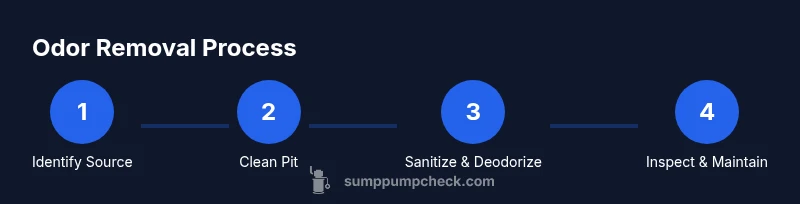
If you’re asking how to get rid of bad smell from sump pump, this guide provides a practical, step-by-step method. By following these steps, you’ll eliminate odors and keep your basement fresh. Start with a thorough clean-out, check the check valve and trap, sanitize with mild bleach solution, and establish a maintenance routine to prevent odors. This approach minimizes recurring odors, extends pump life, and protects your home.
Causes of Bad Odors in Sump Pumps
Odors in a sump pump are usually a signal that something inside the system isn't moving or was left to sit too long. According to Sump Pump Check, the most common culprits are organic buildup in the pit, bacteria thriving in wet, dark environments, and water that stagnates at the bottom of the basin. Debris like hair, sediment, and leaves can create anaerobic pockets where smell-producing compounds form. In many homes, sewer gas can enter the pit if a trap dries out or the check valve fails, amplifying the problem. Even a unit that's otherwise healthy can develop a mildew scent if the pit remains damp or if there's inadequate venting. Understanding these root causes helps you target the right area first instead of applying generic cleaners to the whole system. This is where Sump Pump Check’s expertise matters, guiding homeowners to the most likely sources before you start scrubbing.
Quick diagnostic steps to identify odor sources
Start with a simple sniff test near the sump pit and surrounding basement air. Look for damp corners, standing water, or visible debris in the pit that could harbor bacteria. Inspect the trap’s water seal and the check valve for signs of drying or leakage. Verify the vent line is free of obstructions and that the discharge hose is not blocked downstream. Sump Pump Check analysis shows that odors often track with areas where water sits or airflow is restricted. If the odor persists after a routine clean, keep a log of when you notice it and how long it lasts to help narrow down the cause.
Safe cleaning and deodorizing methods
Before you begin, put on gloves and eye protection, and ensure the area is well ventilated. Remove standing water and debris from the pit with a bucket or wet/dry vacuum. Use a mild detergent solution to scrub the basin walls and the sump cover. Rinse thoroughly, then sanitize with a diluted bleach solution (1:10 bleach to water) or an enzyme-based cleaner designed for septic-safe environments. After cleaning, flush the pit with clean water and allow it to dry. Deodorize with baking soda or a dedicated enzymatic deodorizer if odors linger. Always follow product instructions and never mix cleaners in the sump pit.
Inspect components: trap, seals, vent, check valve
A dried-out trap seal is a common odor source, so check the water level in the trap and refill if needed. Inspect the check valve for proper operation and signs of wear or leakage. Examine the vent for blockages—birds, debris, or snow can clog it and trap sewer gases. If any component shows wear or persistent odors after cleaning, consider replacement or professional inspection. Regular inspection helps catch problems before they turn into odors, and a well-sealed system reduces air вход intrusion.
Choosing cleaners: bleach, enzyme cleaners, vinegar
Bleach is effective for sanitizing the sump pit but must be used carefully and diluted, never concentrated. Enzymatic cleaners target organic residues and can be gentler on seals, while vinegar can help neutralize mild odors but is not a full sanitizer. Use cleaners in the recommended concentrations and never mix products in the pit. For persistent odors, enzymatic cleaners may provide longer-lasting results, but always test a small area first and ensure the pit can drain freely afterward.
How to address sewer gas and backup odors
If sewer gas is suspected, don’t ignore it. Sewer gases can be hazardous in confined spaces. Check for a failing trap or vent, and confirm that the discharge line is not blocked. If the smell persists after cleaning and venting, it may indicate a deeper sewer line issue or a compromised sump pump seal. In such cases, consulting a licensed plumber is advised to avoid carbon monoxide-like symptoms or other health risks.
Maintenance plan to prevent odors
Create a simple maintenance routine: inspect the pit monthly, cleanse quarterly, and replace worn components as needed. Keep the area dry and free of debris that can harbor bacteria. Use a sump pump cover to reduce exposure to basement air and install an odor-neutralizing cartridge if appropriate for your setup. The Sump Pump Check Team recommends documenting each maintenance activity to track improvements and catch recurrent issues early.
Troubleshooting persistent odors and when to call a pro
If odors remain after a thorough cleaning and component inspection, schedule a professional evaluation. A plumber can verify trap seals, vent integrity, and sewer connections with specialized tools. Persistent smells might indicate a larger drain or sewer problem, improper pump sizing, or a failing check valve. Timely professional intervention can prevent water damage and health risks in your basement.
Common mistakes and how to avoid them
Avoid mixing cleaners in the sump pit, skipping ventilation, or using abrasive brushes that can scratch metal surfaces. Do not ignore odors and assume they’ll disappear on their own. Always test products in a small area first, follow safety guidelines, and keep a maintenance log to monitor improvements over time.
Tools & Materials
- Protective gloves (nitrile)(Thick, chemical-resistant)
- Safety glasses(Protect eyes from splashes)
- Face mask(Optional for strong cleaners)
- Bucket(For mixing cleaners and rinsing)
- Mild dish detergent(Gentle cleaning solution)
- Sponge/soft scrub brush(Non-abrasive to pit walls)
- Wet/dry vacuum or bucket for water removal(Remove standing water)
- Diluted bleach (1:10) or enzyme cleaner(Sanitizer and deodorizer)
- Baking soda or enzymatic deodorizer(Odor neutralizer if needed)
- Old towels or rags(Drying and cleanup)
- Sump pump cover(Reduces exposure to air)
- Flashlight(Inspect dark, hidden corners)
Steps
Estimated time: 1 hour 15 minutes
- 1
Prep the area
Clear the space around the sump pit. Put on gloves, glasses, and a mask if using stronger cleaners. Move any stored items away to avoid contamination and ensure you can access the pit from multiple angles.
Tip: Ventilate well; never mix cleaners in the pit. - 2
Turn off power and drain water
Power down the sump pump at the breaker and disconnect the power cord. If safe, use a wet/dry vacuum to remove standing water. This reduces splash and makes cleaning easier.
Tip: Lockout/tagout the breaker to avoid accidental restart. - 3
Remove debris from the pit
skim out leaves, sediment, and hair from the pit with gloved hands or a scoop. Rinse debris into a bucket for disposal. A clean pit reduces odor sources and bacterial growth.
Tip: Take photos for reference if you plan to replace parts later. - 4
Scrub pit surfaces
Mix a mild detergent solution and scrub the walls and grate with a soft brush. Rinse thoroughly and repeat if you see residue. A clean surface discourages lingering odors.
Tip: Avoid metal brushes that can scratch coatings. - 5
Sanitize and deodorize
Apply a diluted bleach solution (1:10) or an enzyme cleaner to sanitize. Let it sit for a few minutes before rinsing with clean water. If odors persist, sprinkle baking soda and rinse again.
Tip: Do not leave cleaners in contact with metal components for long. - 6
Inspect the trap and vent
Check the trap seal and refill if low. Inspect the vent line for blockages and clear debris. Confirm the discharge hose is free-flowing and not kinked.
Tip: A fresh trap seal can dramatically reduce sewer odor migration. - 7
Run the pump and monitor
Reconnect power, fill the pit with water, and run the pump to verify proper operation. Listen for unusual noises and monitor for new odors during the first few cycles.
Tip: If odors come back quickly, note the time and conditions for troubleshooting. - 8
Document and plan maintenance
Record the actions taken, part conditions, and any replacements. Create a simple schedule: monthly visual checks, quarterly deep clean, and annual component replacement as needed.
Tip: Keep a repair log to track improvements and trigger earlier replacements.
FAQ
What causes sump pump odors?
Odors usually come from organic buildup, bacteria, and stagnant water in the pit, often worsened by a failing trap seal or blocked vent. A thorough inspection helps identify the primary source.
Most sump pump odors come from buildup and stagnant water in the pit, often worsened by a faulty seal or vent.
Can bleach damage sump pump seals?
Diluted bleach is safe when used sparingly and rinsed thoroughly, but frequent or concentrated use can degrade seals over time. Always dilute and limit contact with metals.
Bleach is okay in dilution, but avoid overuse which can wear seals.
How often should I clean the sump pit?
Aim for a light clean monthly and a deep clean every 3–6 months, depending on pit condition and usage. Keep a log to track odors and maintenance actions.
Clean monthly with a deeper clean every few months to prevent odors.
Is enzyme cleaner better than bleach for odors?
Enzyme cleaners target organic residues and can provide longer-lasting odor control, especially between deep cleans. Bleach sanitizes but may be harsher on seals.
Enzymes can be gentler and effective for long-lasting odor control.
When should I replace the sump pump or components?
If odors persist after cleaning and maintenance, or you notice frequent cycling, leaks, or reduced flow, consider replacing worn components or the entire pump.
If odors persist after maintenance, consider replacing worn parts or the pump.
Can sewer gas be dangerous in a sump pit?
Yes. Sewer gas can be hazardous in confined spaces. If you suspect gas intrusion, stop work and consult a professional immediately.
Yes, sewer gas can be dangerous; stop and call a pro if you suspect intrusion.
Watch Video
Top Takeaways
- Identify odor sources before cleaning.
- Sanitize and dry the sump pit for lasting results.
- Implement a regular maintenance schedule.
- Replace worn components to prevent future odors.