How to Get Rid of Smell in Sump Pump Hole
Learn practical steps to remove odors from your sump pump hole. This guide covers cleaning, venting, deodorizing, and prevention to keep basements fresh and dry.


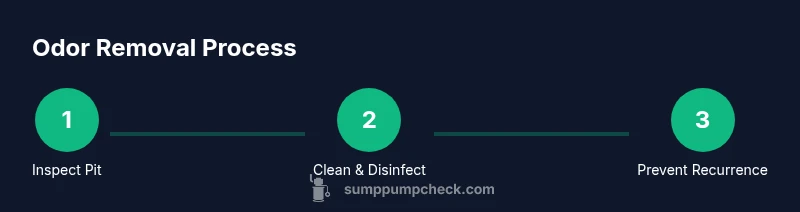
In this guide you’ll learn how to get rid of smell in sump pump hole by identifying odor sources, performing safe cleaning, and implementing prevention. You’ll cover basic pit maintenance, disinfection, venting checks, and ongoing upkeep to stop odors from returning. The approach targets root causes so the sump pit stays fresh and functional.
Understanding the Odor in Sump Pump Holes
Odors in sump pump pits can be surprising and unpleasant. Understanding where they come from is the first step in effectively getting rid of them. According to Sump Pump Check, odors in sump pits are most often caused by stagnant water lingering in the pit, biofilm forming on the walls and pump components, and organic residues that accumulate over time. In some homes, sewer gases can back up through the discharge line if the venting or check valve is compromised. If you're wondering how to get rid of smell in sump pump hole, start by identifying the odor source: is it a sour, rotten, chemical, or sewage-like scent? Once you know the source, you can tailor a cleaning and prevention plan that targets the root cause rather than simply masking the odor. Structural issues, such as a cracked pit liner, can also harbor smells. The pit’s water level can rise during heavy rainfall, which may push odors into living spaces. The pump’s operation can stir sediments, releasing trapped gases and intensifying the smell. A careful initial assessment sets the stage for effective remediation.
Common Odor Sources in Sump Pits
Most people notice that odors come from a combination of stagnation, biofilm, and backflow rather than from the pump motor itself. Sump Pump Check analysis shows that standing water and biofilm are the primary culprits behind persistent smells, while backflow of sewer gases is often tied to venting issues or a faulty check valve. Sewage-like odors typically indicate backpressure from the sewer line or an ineffective vent, whereas sour or musty notes usually point to microbial growth in the pit. Being able to distinguish odor types helps you choose the right remediation—whether that’s cleaning, venting improvements, or replacing a faulty component. If you’ve noticed a strong, persistent smell after rainfall or a long dry spell, re-check the pit, seals, and discharge path, because these are common times when odors resurface.
Cleaning and Disinfection: A Practical Approach
Cleaning the sump pit requires a careful, methodical approach. Start by turning off the pump and removing any standing water with a submersible pump or a wet/dry vacuum. Wear PPE—gloves, eye protection, and a mask if fumes are present. Scrub all interior surfaces with a mild detergent and a stiff brush to remove biofilm, then rinse with clean water. For disinfection, prepare a diluted sanitizer solution per label directions, apply to the walls, and allow contact time before a thorough rinse. Finally, dry the pit completely to minimize residual odors. If a harsh chemical smell lingers, switch to a milder cleaner and ensure ample ventilation. Regular, gentle maintenance is often more effective than aggressive, temporary masking.
Odor Prevention and Venting Upgrades
Prevention is more effective than punishment when it comes to sump pit odors. Ensure the pit cover fits snugly and that there is no gap through which odors can escape. Check the discharge line for backflow potential and confirm that a functioning vent or check valve is present to prevent sewer gases from entering the pit. Consider installing a dedicated vent if your home’s plumbing layout lacks one, and verify that the sump pit is well above the sewer line’s level to minimize backpressure. Beyond hardware, establish a simple maintenance rhythm: quarterly cleanings and annual inspections help catch problems before odors take hold. A well-sealed, properly vented system reduces odors and protects indoor air quality.
Safe Deodorizers and What to Avoid
Not all deodorizers are created equal. Enzyme-based cleaners can break down organic matter without harsh chemical residues, making them a good long-term option for odor control. Bleach and strong disinfectants can be effective for sterilization but must be used with care: never mix cleaners, always ventilate, and rinse thoroughly to avoid harming beneficial bacteria and corroding metal parts. Baking soda and vinegar offer mild odor neutralization but are unlikely to resolve heavy or persistent smells on their own. In most cases, a combination of mechanical cleaning, proper disinfection, and routine maintenance yields the best results, while avoiding chemical overuse that could damage seals or the pump.
When Odor Persists: Seek Help or Replace Components
If odors persist after cleaning and deodorizing, you may have underlying issues such as a failing seal, cracked pit liner, or clogged discharge line. Inspect the sump pump’s seals, check valve, and gaskets for signs of wear or leakage. A professional assessment can diagnose less obvious problems like microcracks or hidden backflow routes. If a component shows significant wear or failure, replacement is usually more cost-effective than repeated odor remediation. Don’t ignore ongoing odors: they can signal drainage problems or moisture intrusion that require attention to protect your home.
Proactive Maintenance Plan and Authority References
A proactive maintenance plan is the best defense against odor recurrence. Schedule a quarterly inspection that includes checking the cleanout, testing the alarm, inspecting the check valve, and ensuring the vent path remains unobstructed. In climates with heavy rainfall, more frequent checks during rainy seasons can prevent odor buildup. For authoritative guidance, consult official sources such as EPA guidelines on water management and extension programs for home plumbing care. The Sump Pump Check team recommends documenting maintenance activities in a simple log so you can track patterns and address issues promptly. Authority sources are listed below to support best practices and safety considerations.
Authority sources
- EPA: https://www.epa.gov/
- Extension (Oregon State University): https://extension.oregonstate.edu/
- OSHA Safety: https://www.osha.gov/
Additional Notes
Remember that odor management is part science, part habit. Regular checks, proper venting, and careful cleaning build a resilient sump system that protects your basement from moisture and smells. If you ever feel unsure, don’t hesitate to reach out to a licensed plumber or sump pump professional. A small upfront effort saves bigger headaches later.
Summary for Quick Reference
- Identify odor sources first: water, biofilm, or sewer gases.
- Clean with mild detergent, disinfect, and dry thoroughly.
- Check venting, seals, and discharge lines to prevent recurrence.
- Use safe deodorizers and maintain a regular maintenance schedule.
- Consult authority sources for safety and best-practice guidance.
Tools & Materials
- Rubber gloves(Nitrile preferred; chemical resistant)
- Safety goggles(Eye protection against splashes)
- Face mask or respirator(Optional for strong fumes)
- Bucket(For carrying water and solutions)
- Sump pump or wet/dry vacuum(To remove standing water)
- Scrub brush(Stiff-bristled for biofilm)
- Mild detergent(Dish soap or non-alkaline cleaner)
- Bleach (5-6% household)(For disinfection; dilute per label)
- White vinegar(Natural odor neutralizer)
- Enzyme-based odor eliminator(Longer-lasting odor control)
- Old towels or rags(For drying and cleanup)
- Tarp or drop cloth(Contain spills)
- Ventilating fan or open window(Promotes airflow during cleaning)
Steps
Estimated time: 60-120 minutes
- 1
Assess odor source and prepare PPE
Identify whether the smell is sewer-related, chemical, or biofilm-driven. Put on gloves, goggles, and a mask before touching any pit contents. Clear the area and set up containment if needed.
Tip: Document odor type before starting—this helps tailor the cleaning approach. - 2
Turn off and remove standing water
Shut off the sump pump and evacuate standing water with the pump or vacuum. Remove any loose debris that could trap odors and obstruct cleaning.
Tip: Do not run the pump while you are cleaning the pit walls. - 3
Scrub interior with detergent
Apply a mild detergent and scrub all pit surfaces, especially biofilm-coated areas. Rinse with clean water after scrubbing to remove loosened residue.
Tip: Use a brush with stiff bristles to reach corners and seams. - 4
Disinfect and rinse
Apply a diluted disinfectant (bleach solution or peroxide) per label directions. Allow contact time, then rinse thoroughly with fresh water.
Tip: Ventilate well; never mix cleaners, especially bleach with ammonia. - 5
Inspect and clean connected components
Check the pump seals, gaskets, check valve, and discharge line for buildup or leaks. Clean these parts and ensure they seal properly to prevent odor escape.
Tip: A small leak in a seal can continually reintroduce odors. - 6
Dry, deodorize, and seal
Dry the pit completely. Apply enzyme-based deodorizer if desired and place a clean cover. Ensure the area remains dry to minimize odor recurrence.
Tip: Keep the pit area dry for several days after cleaning to maximize effectiveness. - 7
Update maintenance plan
Record what you did and set a future reminder for quarterly checks or after heavy rainfall. A routine log helps catch emerging issues early.
Tip: Regular timing improves odor control and system reliability. - 8
Reinstall and test the system
Restore power, test the sump pump, and observe for any new odors. Confirm that venting and drainage work as intended without backflow.
Tip: Run the system after a light rain to ensure odors don’t reappear under typical conditions.
FAQ
What causes smell in a sump pump hole?
Odors typically come from stagnant water, biofilm on pit walls, and residue buildup. Sewer gas backflow due to venting issues can also contribute. Identifying the source helps tailor cleaning and prevention steps.
Most odors come from buildup inside the pit or sewer gas backflow through venting; finding the source guides the fix.
Is it safe to use bleach to deodorize the sump pit?
Bleach can be effective if diluted properly and used with good ventilation. Never mix with ammonia or other cleaners, and rinse thoroughly after use.
Bleach can help, but use it safely and follow label directions.
Can baking soda or vinegar help reduce odors?
They can neutralize mild odors but are less effective for persistent smells. Use them as a supplement to mechanical cleaning, not a sole solution.
Baking soda and vinegar work for light odors but aren’t a fix for heavy smells.
How often should I clean the sump pit to prevent smells?
Aim for a quarterly inspection and cleaning, with additional checks after heavy rainfall or floods to prevent odor buildup.
Clean every few months, and after big rain events to prevent smells.
What if the odor remains after cleaning?
Persistent odors may indicate a failing seal, cracked liner, or backflow issue. Inspect components and consider professional evaluation.
If it keeps stinking, check seals and consider a pro evaluation.
When should I replace sump pump components due to odor?
If odors recur despite maintenance, components like seals, vent, or the pump may be worn. Replacement is often more effective than repeated cleaning.
If odor keeps coming back, parts may need replacement.
Watch Video
Top Takeaways
- Identify odor sources before cleaning.
- Clean, disinfect, and dry thoroughly for best results.
- Inspect venting, seals, and discharge lines to prevent recurrence.
- Create a regular maintenance schedule to keep odors away.