How to Troubleshoot a Sump Pump That Smells Like Sewer
Diagnose and fix a sump pump that smells like sewer with practical, step-by-step guidance, quick checks, and expert tips from Sump Pump Check.


The most likely cause of a sump pump that smells like sewer is sewer gas entering the pit via a dry trap or backflow from the sewer line. Quick fix: add water to the pit to restore the trap seal, inspect the discharge path and check valve for leaks, and start the pump to flush the line. If odors persist, contact a plumber or sump pump professional.
Understanding Why a Sump Pump Smells Like Sewer
A sulfurous, sewer-like odor from the sump pump pit is more common than you might think in basements and utility rooms. Odors flow from the pit when sewer gas enters or bacteria grow in stagnant water. The odor is not just unpleasant; it can indicate backflow risk or unsafe gases in your home. According to Sump Pump Check, many sewer-like smells stem from dry traps, failed check valves, or blocked discharge paths. Start with the simplest checks: confirm there is water in the pit to seal the trap, inspect the discharge line for clogs, and ensure the pump is cycling correctly. By understanding where the gas is coming from, you can apply targeted fixes without unnecessary repairs.
Immediate Checks You Can Do Right Now
Before calling for help, perform a quick, safe sweep of obvious problems. First, verify there is water in the sump pit to maintain the trap seal; if the pit is dry, the sewer odor can escape via the trap. Next, inspect the discharge line for kinks, leaks, or blockages and ensure the check valve is installed and functioning. Run the pump briefly to see if odors dissipate as water moves through the system. Look for damp areas around the pit, cracks in the liner, or signs of backflow at the drain. If you cannot locate the odor source after these quick checks, it’s time to move to more thorough diagnostics. Safety: unplug the unit before touching electrical components.
How Sewer Odors Travel Through a Sump Pit
Gas from sewage systems can travel through plumbing joints when there is pressure in the sewer line or a venting problem. A dry trap in the sump pit allows sewer gas to escape into the basement. Cracked or poorly sealed pit lids, gaskets, or hoses can also release odors. Bacteria in standing water can produce sulfur compounds that smell strongly, especially if the pit sits unused for long periods. The pump’s normal cycling normally helps aerate the space, but if odors persist, the issue is not just dry air — it may be a deeper backflow or venting problem that requires attention.
Common Causes and How to Confirm Them
- Dry trap in the sump pit (high likelihood): If the pit is low on water, reseal by adding water and monitoring odor.
- Faulty or missing check valve leading to backflow (high likelihood)
- Cracked sump pit or worn seals (medium likelihood): Inspect for cracks and replace liner if needed.
- Sewer line backflow or clogged drain vent (medium likelihood): Look for signs of backflow in fixtures and vent stack blockages.
- Venting issues in the home plumbing (low likelihood): Check roof vent and plumbing connections for blockages.
To confirm, perform controlled tests: fill and observe, inspect valve and discharge, and listen for changes across fixtures when the sump pump runs.
Safe Fixes and When to Call a Pro
If the odor disappears after simple steps, you may have solved the issue. Start with restoring the trap seal by adding water to the sump pit, then inspect and replace any faulty discharge components or a failing check valve. Clean the pit and seal the lid, then sanitize the area to remove lingering smells. If the odor persists after these steps, or you suspect backflow from the sewer line, stop using the sump pump and call a licensed plumber or sewer specialist. In cases of possible gas exposure, prioritize safety and contact your utility provider.
Preventing Future Odors and Maintenance Tips
Regular maintenance is your best defense against sewer-like odors. Schedule quarterly checks of the sump pit water level, pump operation, and discharge path. Keep the pit lid tight and intact; replace damaged gaskets promptly. Install a backflow preventer if your system lacks one, and ensure the discharge line extends to an outdoor area away from windows and intake vents. Avoid storing organic material or standing water in the pit for long periods, and consider periodic deodorizing measures that do not interfere with pump components. A proactive approach reduces the chance of odors returning.
Steps
Estimated time: 60-90 minutes
- 1
Power down and secure the area
Unplug the sump pump and shut off its circuit to prevent accidental activation during inspection. Remove furniture and create a clear workspace around the pit. Wear gloves and eye protection.
Tip: Double-check the outlet rating and avoid damp cords. - 2
Check trap seal and water level
Look into the sump pit and verify there is adequate water to maintain the seal. If the pit is dry, slowly add water until the level is stable. This helps prevent sewer gas from escaping through the trap.
Tip: Do not overfill; maintain a level that keeps the seal intact. - 3
Inspect the discharge path and check valve
Trace the discharge pipe to ensure there are no kinks, obstructions, or leaks. Remove any debris and confirm the check valve operates in the correct direction. Run the pump briefly to test flow.
Tip: If you hear air bubbles back through the line, the valve may be faulty. - 4
Inspect for cracks and seal integrity
Examine the sump pit liner, lid, and gaskets for cracks or wear. Replace damaged parts to prevent gas escape and water leakage.
Tip: A cracked pit may require professional replacement. - 5
Vent and plumbing assessment
Check nearby plumbing vents for blockages and ensure there is proper venting to the sewer. Clear any blockages found or call a professional if you suspect a broader venting issue.
Tip: Never attempt major vent work without proper training. - 6
Test system and plan follow-up
Restore power and run the system. Observe odor levels and system performance over several cycles. If the odor remains, schedule a professional inspection for backflow or sewer line concerns.
Tip: Document symptoms and times for the technician.
Diagnosis: Sump pump smells like sewer
Possible Causes
- highDry trap in sump pit allowing sewer gas to escape
- highBackflow from sewer line due to faulty backflow prevention or blockage
- mediumCracked sump pit or degraded seals
- lowVent or plumbing system blockages causing gas buildup
- mediumDischarge path blocked or disconnected
Fixes
- easyRestore trap seal by adding water to the sump pit and reseating the lid
- mediumInspect and replace faulty check valve; clear discharge line blockages
- hardRepair or replace cracked sump pit or seals
- mediumInspect plumbing vents for blockages and clear as needed
- hardInvestigate sewer line backflow with a professional and install backflow prevention
FAQ
Why does my sump pump smell like sewer even after cleaning?
Sewer smells often come from sewer gas entering through a dry trap or backflow from the sewer line. Cleaning the pump alone may not address a backflow issue or vent blockage. Follow a systematic diagnostic flow and consider professional help if odors persist.
Sewer smells after cleaning usually mean a dry trap or backflow issues; if it still smells, you should follow our steps and consider a pro.
Can a dry trap in the sump pit cause sewer odors?
Yes. A dry trap fails to seal and allows sewer gas to escape into the basement. Refill the trap with water to reestablish the seal and recheck for odors after running the pump.
A dry trap can let sewer gas into the basement; refill and test again.
Is it safe to pour bleach or chemicals into the sump pit to fix odors?
Avoid mixing strong chemicals in the sump pit; they can create hazardous fumes and reactions. Use non-chemical cleaning and focus on venting, trapping, and mechanical fixes. If odor persists, call a professional.
Don’t dump strong cleaners into the pit; call a pro if it remains smelly.
When should I call a professional for a sewer smell in my sump pit?
If backflow from the sewer line is suspected, if the pit shows cracks, or if odors persist after basic maintenance, schedule a professional evaluation. A licensed plumber can assess backflow risks and plumbing venting.
Call a pro if backflow is suspected or odors persist after basic checks.
Can sewer line issues cause odors in my sump pit?
Yes. Clogs or backflow in the sewer line can force gases into the sump pit via fixtures or venting problems. A sewerline inspection may be required.
Yes, sewer line problems can lead to smells in the sump pit; you may need an inspection.
Will replacing the sump pump fix odor problems entirely?
Not necessarily. Odors may stem from traps, vents, or backflow issues rather than the pump itself. A full diagnostic that includes pit, valves, discharge, and venting is essential.
Replacing the pump alone might not solve the odor; check traps and vents too.
Watch Video
Top Takeaways
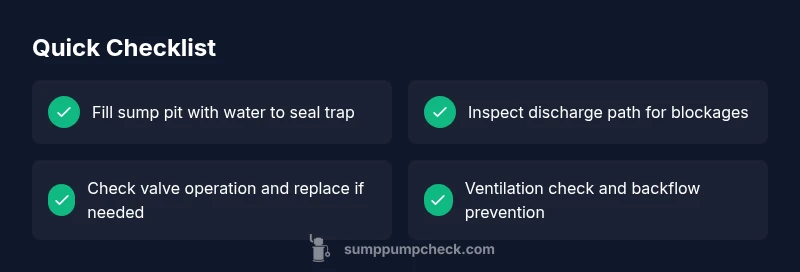
- Restore the trap seal first to stop sewer gas entry
- Inspect the discharge path and check valve for issues
- If odors persist, avoid DIY fixes and call a licensed pro
- Maintain a quarterly sump pump maintenance routine