Blocked Sump Pump Line: Urgent Troubleshooting Guide
Learn how to diagnose and fix a blocked sump pump line quickly to prevent basement flooding. Step-by-step checks, safety tips, and a practical maintenance plan from Sump Pump Check.


A blocked sump pump line is most often caused by debris, sediment, or a frozen discharge path. The fastest fix is to cut power, inspect the intake and discharge, clear the blockage with a garden hose or plumber’s snake, and flush the line until clear. If water backs up after clearing, unplug the unit and seek professional help. This quick check buys time and prevents basement flooding while you troubleshoot.
What a blocked sump pump line means
A blocked sump pump line occurs when the discharge path from your sump basin to the outdoors becomes clogged with debris, sediment, scale, or ice. When this happens, even a running pump can’t move water out of the pit, which leads to backups in the sump basin or basement. For homeowners, the result is anxiety during heavy rain or rapid snowmelt. The keyword here is clear: a blocked sump pump line prevents the system from performing its core job. You’ll often notice slow drainage, gurgling sounds in the pipes, or water pooling near the discharge area. Addressing this issue quickly reduces the risk of basement flooding and property damage. According to Sump Pump Check, routine inspections help catch blockages before they escalate, especially in homes with long discharge runs or outdoor spouts.
What to look for: a damp area near the discharge outlet, reduced water flow, or water backing up into the sump pit when the pump runs.
Immediate checks you can perform safely
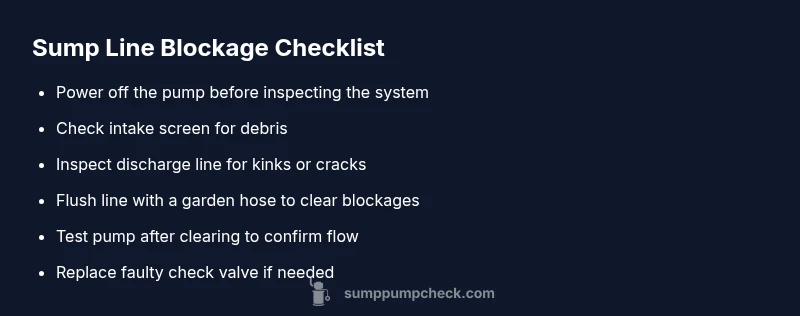
Before you dive deeper, perform these checks with the power off to avoid shock or injury. Start at the pump housing and move toward the discharge path to identify where the blockage is most likely located. Inspect the pump’s intake screen for trapped debris or lint, and remove any visible material by hand with gloves. Examine the discharge pipe from the pump to the exterior for obvious kinks, crushed sections, or a clogged exterior elbow. If you can, detach the discharge line at a secure point and flush it with a garden hose to push out the blockage. Reassemble, restore power, and run a short test by pouring water into the pit. If water continues to back up, the line may be more deeply blocked or frozen.
Important safety note: never touch electrical components with wet hands. If you smell gas or suspect a sewage-related blockage, stop and call a professional.
Common culprits along the discharge path
Discharge line blockages rarely originate at the basement sump; they occur along the entire discharge path. Common culprits include outdoor debris buildup at the yard outlet, a crushed or sagging pipe that traps water, a clogged check valve that allows backflow, and root intrusion near the foundation where lines exit. In winter, ice can form in the exposed section outside, effectively blocking flow. Sediment from the sump drain can accumulate at bends or elbows, reducing flow area. Each of these issues requires a slightly different remedy, but the goal remains the same: restore free water movement away from your home.
Tools, safety, and preparation for deeper troubleshooting
If the basic checks don’t solve the problem, prepare a safe work zone. Have a bucket, gloves, flashlight, adjustable wrench, plumber’s snake, and a garden hose. Turn off power at the circuit breaker before touching the pump or wiring. Use tarps or towels to catch any residual water and protect flooring. If you must access the exterior discharge, wear weather-appropriate clothing and avoid slippery surfaces. Document what you observe for future maintenance, including exterior outlet access, pipe bends, and check valve status. Safety first means you can do more precise work without risk of electrical shock or water damage.
Maintenance to prevent future blockages
Prevention is easier than remediation. Regularly inspect the discharge line for obstructions, ensure the line slope is outward and away from the foundation, and keep the exterior outlet clear of leaves and debris. Flush the line annually or after heavy rain events to dislodge sediment. Consider upgrading to a robust check valve or adding a screen at the sump outlet to catch debris. A routine check every spring and fall can dramatically decrease the chance of a future blockage. By staying proactive, you reduce the likelihood of basement flooding during seasonal cycles. Sump Pump Check recommends documenting your maintenance log so you can spot rising blockage trends early and schedule professional service when needed.
Steps
Estimated time: 60-90 minutes
- 1
Power off and secure the area
Shut off power to the sump pump at the circuit breaker to prevent shocks. Remove any standing water from the sump pit and place towels to protect flooring. Confirm there is no active water source feeding the basement to avoid overflow during inspection.
Tip: Always verify you can safely touch the pump housing with a dry hand before proceeding. - 2
Inspect the intake and visible discharge path
Remove the sump basin cover and check the float switch and intake screen for clogs. Trace the discharge line from the pump outlet to the exterior, looking for kinks, bends, or crushed sections that could impede flow.
Tip: If you see a crushed section, mark it so you know exactly where to focus the fix. - 3
Clear blockages in stages
First remove obvious debris by hand with gloves. Use a plumber’s snake or flexible auger gently to break loose stubborn jams. If you can, detach the discharge line at a secure joint and flush with water to push debris outward.
Tip: Avoid forcing the snake through tight turns to prevent pipe damage. - 4
Flush and test the line
Reconnect any disconnected sections and flush the line with a strong stream of water from a garden hose. Reconnect power and run the sump to simulate rain runoff. Observe the water flow and listen for any gurgling that suggests remaining blockage.
Tip: If water still backs up, there may be a deeper clog or frozen section needing professional attention. - 5
Check valve and fittings
Inspect the check valve (if installed) for proper operation. A stuck check valve can cause backflow and apparent blockages even when the line is clear. Tighten fittings and look for leaks that could mimic a blockage.
Tip: Replace corroded or worn fittings to prevent future leaks. - 6
Prevent future blockages
Create a maintenance routine: inspect quarterly, flush annually, and keep exterior outlets clear. Consider upgrading to a more robust drain setup with a larger-diameter line or a secondary backflow preventer if your setup experiences frequent blockages.
Tip: Document the maintenance date and any replacements to guide future service.
Diagnosis: Water backs up into the basement or sump pit despite the pump running
Possible Causes
- highBlockage in the discharge line due to debris, sediment, or exterior blockage at the outlet
- mediumFrozen discharge line or restricted vent
- lowCheck valve malfunction or closed valve allowing backflow
Fixes
- easyDisconnect power and inspect the discharge line from the pump to the exterior; remove visible debris and flush with a garden hose
- easyReplace or reseat a faulty check valve; ensure proper orientation to prevent backflow
- mediumThaw a frozen line by applying heat (carefully) or flushing with warm water; repair insulation or reroute line as needed
FAQ
What are the most common signs that the sump pump line is blocked?
Look for water backing up in the sump pit, reduced outflow, gurgling noises in the discharge pipe, or water pooling around the outdoor exit. These symptoms indicate a blockage or partial restriction that requires attention.
Common signs are a backed-up sump pit and gurgling sounds in the discharge line.
Can I clear a blocked line myself if I don’t have plumbing experience?
Yes, with caution. Start by turning off power, inspecting the intake and visible discharge path, and removing debris. Use a plumber’s snake for stubborn clogs and flush the line with water. If you feel unsure at any point, stop and contact a professional.
You can try, but stop if you’re unsure.
Is a frozen discharge line the same as a blocked line?
A frozen line mimics a blockage and stops water flow. Look for ice along the exterior discharge, then thaw the line safely or insulate vulnerable sections to prevent future freezes.
Frozen lines act like blockages and need thawing and protection.
How often should I inspect the discharge line?
Inspect the discharge line at least quarterly and after major rain events. Regular checks help catch clogged lines before they cause backups.
Do quarterly checks and after heavy rain.
Should I replace the check valve if a blockage keeps recurring?
A recurring blockage can indicate a faulty check valve. Replacing or reseating the valve may improve flow and prevent backflow.
If blockages keep happening, it’s wise to check the valve.
When should I call a professional?
If you can’t locate the blockage, the line is deeply frozen, or water continues to back up after clearing, seek a licensed plumber or sump-pump technician.
Call a professional if the problem persists after basic fixes.
Watch Video
Top Takeaways
- Identify blockage signs early and act fast
- Check the entire discharge path, not just the pump
- Upgrade line or valve if blockages recur
- Maintain a regular inspection schedule to prevent floods