How to Get Rid of Sump Pump Water: A DIY Home Guide
Learn practical, step-by-step methods to safely remove sump pump water from your basement, redirect discharge legally, and prevent future floods with simple maintenance.


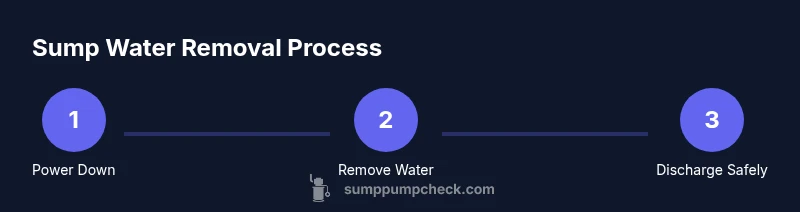
This guide shows you how to get rid of sump pump water safely by removing standing water, redirecting discharge, and preventing future floods. You’ll learn immediate safety steps, temporary removal options, and long-term maintenance practices that protect your basement. According to Sump Pump Check, following a methodical plan reduces risk and makes cleanup faster.
Understanding how to get rid of sump pump water safely
To protect your basement from rising flood risk, you need a clear plan for removing the water and preventing recurrences. The immediate goal is to remove standing water from the sump pit and prevent backflow, while the long-term goal is to channel discharge to an approved outlet and maintain your pump so it performs when you need it. According to Sump Pump Check, many homeowners underestimate the importance of planning for both immediate removal and ongoing maintenance. In practice, safe water removal starts with turning off power to the pump and verifying that electrical components stay dry. Sump pump water itself is not hazardous, but contaminated water or debris can cause irritation or mold if left untreated. Taking a methodical approach reduces the risk of electrical shock, structural damage, and mold growth. This article uses practical steps you can follow in a typical basement, regardless of pump type or discharge path.
Note: This guidance emphasizes safety, legality, and long-term reliability. The goal is not only to remove water, but to prevent future problems and protect your home.
Immediate safety steps you should take before anything else
Safety comes first. Before you touch any water, unplug the sump pump or switch off the circuit breaker feeding the pump. If water is near outlets or the panel, keep your distance and dry your hands before handling tools. Wear a waterproof PPE kit and sturdy, non-slip footwear to reduce slip risk. Check for signs of electrical damage, such as scorched cords or a warm outlet, and do not operate the pump if you suspect a short or shock hazard. If you can't isolate power safely, or if water covers electrical components, call a licensed electrician and stop work. Once power is off, use a dry source to test that the pump won't restart unexpectedly. Document your steps if you plan to resume later, and ensure children or pets are kept away from the work area.
Tip: If water is actively rising, prioritize removing the power first before approaching the pit, and consider enlisting a helper to maintain a safe perimeter.
Temporary removal options you can use today
If standing water is accumulating, you have several practical options. A wet/dry shop vac can remove smaller pools quickly, while a portable submersible pump can handle larger volumes. Use absorbent towels and a mop to wick water toward your chosen disposal path. Keep the area well ventilated to reduce humidity and prevent mold growth. For stubborn pockets, repeat the process until the sump pit is nearly dry. If you expect rapid rainfall, consider running a backup pumping solution to prevent overflow. Remember to inspect hoses and connections for leaks, and replace any damaged components promptly to avoid recontamination.
Note: In some homes, temporary gravity drainage can help, but only if it does not create new leaks or backflow issues.
How to discharge water legally and safely
Discharge decisions should respect local codes and property boundaries. In many areas, discharging sump pump water to a storm sewer or dry well is allowed with a backflow preventer; however, moving water into sanitary lines or onto a neighbor's property can be illegal. Check with your city or a homeowner’s association to confirm acceptable outlets. When routing discharge, aim away from foundations, and keep pets and people clear of the stream. Use a hose that is difficult to kink and clamp it securely to prevent leaks. If you cannot find an approved outlet on your property, or if you notice sediment or contaminants in the water, stop and seek professional guidance.
Tip: Take photos of the discharge route and keep records in case you need to show compliance to a local official later.
Setting up a temporary pump and hoses: a practical workflow
Set up your pump in a dry, stable area near the sump pit. Attach a discharge hose that reaches your chosen outlet, clamp connections, and ensure they are secure before powering the unit. Run an initial test with the pump unplugged, and observe water flow to verify there are no leaks. Plug in the pump and monitor for proper cycling: the float should trigger the pump and stop when the pit empties. If you must work in tight spaces, use a shorter hose to minimize resistance and reduce clog risk. Keep a bucket handy for any spills and wipe surfaces dry after each removal pass. Schedule follow-up checks to verify the discharge path remains clear during rain events.
Pro tip: Keep cords off the floor and away from standing water to minimize electric shock risk.
Maintenance and prevention to reduce future issues
A proactive maintenance routine dramatically lowers the chance of water buildup. Regularly inspect the intake and screen for debris, clean the pit, and test float operation monthly. Replace worn check valves, seals, or gaskets and ensure the discharge line stays clear of ice, snow, or blockages. Keep detailed notes about pump run times and any recurring alarms. Based on Sump Pump Check analysis, 2026, most failures are due to clogged lines or neglected preventive maintenance. Pair your pump with a battery backup to handle power outages, and install a simple alarm to alert you to high water before it spills into the basement. A small investment in routine care pays off with less cleanup and fewer headaches when storms arrive.
Tip: Schedule a seasonal inspection step as part of your home maintenance calendar.
Choosing the right accessories and upgrades
Upgrading a sump system improves reliability and reduces the chance of water stagnation. Consider a heavier-duty pump for high-water events, a properly sized check valve to prevent backflow, and an airtight lid to minimize odors and mold risk. A robust discharge hose with correct diameter and fittings makes maintenance easier, and a water alarm or alarm switch can provide early warning. For long-term confidence, install a battery-powered backup pump and ensure the main unit and backup are both tested periodically. When selecting components, prioritize compatibility with your existing pit, drainage style, and local codes. A professional assessment can help you decide on a cost-effective upgrade.
Note: Some upgrades may affect warranty or local permit requirements; check before purchasing.
Safety and code considerations when DIY
DIY projects save money but require careful attention to safety and local regulations. Always verify that you have a grounded, GFCI-protected outlet for the pump and never work with wet hands near electrical devices. Ensure you’re allowed to discharge water where you plan to route it; some codes restrict discharge to public streets or storm sewers. Use corrosion-resistant fittings and avoid sharp edges that can cut hoses. If you’re unsure about the discharge path or the condition of your sump pump, solicit a licensed professional for an inspection and guidance. Document your work for future reference and keep emergency contact numbers handy.
Warning: If water levels rise quickly or you smell sewage or chemical odors, stop work and evacuate the area until you can assess safety with a professional.
Common mistakes to avoid and best practices
Common mistakes include assuming the sump pit is always clean, neglecting routine maintenance, and attempting complex drainage work without a proper plan. Avoid skipping safety steps, such as turning off power and testing the pump’s electrical connections. Don’t ignore odors, unusual noises, or inconsistent pump cycling; they are early indicators of problems. Best practices include keeping a maintenance log, performing monthly checks, and choosing the right backup system for power outages. By following these guidelines, you can reduce the time you spend managing water and keep your basement dry during heavy rain. Remember to stay patient and methodical; rushing can lead to missing a safety step or damaging a discharge line.
Tools & Materials
- Waterproof PPE kit (gloves and safety goggles)(Viton or nitrile gloves; eye protection; consider rubber boots)
- Submersible sump pump or wet/dry shop vac(For quick removal of standing water)
- Discharge hose and fittings(Ensure correct diameter; clamp if needed)
- Garden hose adapter or PVC connector(Connect to pump outlet)
- Outdoor-rated extension cord(GFCI-protected if possible)
- Mop, absorbent towels, and a bucket(For cleanup and managing spills)
Steps
Estimated time: Total time: 60-120 minutes
- 1
Power down safely
Unplug the sump pump or switch off the circuit breaker feeding the pump. Verify there is no power at the outlet by attempting a quick test with dry hands. This prevents shock and keeps you safe while you approach the pit.
Tip: Lock out and tag the breaker if others may restore power while you’re working. - 2
Assess the discharge path
Inspect the discharge hose and area around the pump for clogs, kinks, or leaks. Clear any debris at the pit’s edge and ensure the water can flow freely away from the foundation.
Tip: Clear any nearby area so approach is safe and unobstructed. - 3
Choose your removal method
Decide whether to use a pump, shop vac, or a combination based on water volume and accessibility. Begin with the quickest method and escalate if needed.
Tip: Start with the fastest option to minimize clean-up time. - 4
Connect hoses and power
Attach the discharge hose to the pump outlet and secure all connections. Route the hose to the chosen outlet and ensure it won’t kink or leak. Keep the power cord elevated away from water.
Tip: Double-check clamps and fittings before powering. - 5
Test run and monitor
Plug in the setup and observe water flow. Watch the float switch to confirm proper cycling—start when water rises and stop when the pit empties.
Tip: If the pump stalls or runs continuously, shut down and inspect for clogs or air pockets. - 6
Clean and dry the area
Wipe surfaces, roll up hoses, and dispose of any collected waste water appropriately. Dry the pit and surrounding floor to prevent mold.
Tip: Document any abnormal sounds or recurring issues for future maintenance. - 7
Plan follow-up maintenance
Schedule a quick monthly check of intake, float, and discharge path. Create a maintenance calendar to reduce future water issues.
Tip: Keep a simple log of pump run times and alarm events.
FAQ
Can I drain sump pump water into the street or storm drain?
Discharge rules vary by locality. Many places restrict drainage to approved outlets such as yards or storm sewers with backflow prevention. Always check local codes before directing water to public areas.
Check local rules first; many places require an approved outlet and backflow prevention.
Is it safe to use a shop vac for sump water?
A shop vac can handle smaller pools, but ensure it is rated for wet use and empty it outdoors. It should not substitute for a proper sump pump in large floods.
Yes, for small spills, but use a wet-dry shop vac and empty outside.
How often should I maintain my sump pump?
Check the intake, discharge path, and float operation monthly. Perform a full test seasonally and after heavy rains to ensure reliable performance.
Check and test monthly and seasonally.
What if water keeps rising after pumping?
Power down and recheck the discharge path. Look for new blockages or leaks, and consider a backup pump if power outages or heavy rainfall are likely.
If it keeps rising, reassess discharge and consider a backup pump.
Do I need a professional for sump pump issues?
If you’re unsure about electrical safety, discharge legality, or major component failures, a licensed professional can ensure safe operation and code compliance.
If unsure, it’s wise to call a professional for safety and code reasons.
Watch Video
Top Takeaways
- Power down before handling water
- Route discharge to an approved outlet
- Regularly inspect and maintain the discharge path
- Keep a maintenance log and schedule reminders
- Use backups to cover power outages