Best Way to Drain Sump Pump Water: A Practical Guide
Learn the safest, most effective method to drain sump pump water, including discharge options, check valves, and maintenance tips to keep your basement dry and your system reliable.


To drain sump pump water safely and efficiently, plan your discharge path, use an appropriate discharge hose or pipe, install a check valve to prevent backflow, and test the system before heavy rain. This guide covers all steps to protect your basement and comply with local codes.
Understanding Why Drainage Matters
Drainage is the first line of defense against basement flooding. The best way to drain sump pump water balances speed, safety, and compliance with local codes. A well-planned discharge route prevents water from backflowing into living spaces, minimizes erosion around the discharge point, and protects the sump pump from unnecessary strain. According to Sump Pump Check, a thoughtful drainage strategy reduces the risk of hydrostatic pressure and improves reliability during heavy rainfall. Homeowners should consider where runoff will go, how slope directs water away from the foundation, and how to avoid discharging near sidewalks or neighbors' property. In practice, effective drainage means designing a path that safely directs water to an appropriate outdoor outlet or a dedicated stormwater system while keeping electrical components dry and accessible for inspection.
Common Drain Methods: Pros and Cons
There are several ways to drain sump pump water, each with trade-offs. Direct burial of a discharge hose outdoors is simple but can freeze in winter and may require longer runs. A gravity-driven pipe system with a buried discharge line can reduce erosion and improve aesthetics but needs careful slope planning. A pumped discharge with a dedicated outlet offers flexibility for where the water goes but requires power and periodic maintenance. Whatever method you choose, ensure the discharge point is downhill from the sump and away from your foundation, and consider a rainwater or dry well if local codes allow. Sump Pump Check notes that the best approach aligns with your climate, drainage grade, and proximity to neighbors.
Safety First: Electric, Plumbing, and Local Codes
Safety is non-negotiable when draining sump pump water. Always shut off power to the sump pump before performing any work on the discharge line. Use a GFCI outlet for temporary connections and ensure all wiring is dry and properly insulated. Check valve placement is critical to prevent backflow, which can contaminate potable water or flood the pump pit. Local codes vary, but common requirements include using a vented discharge, avoiding connections to sanitary sewers, and keeping the discharge above grade. For safety, wear eye protection and gloves during installation, and keep children and pets away from the work area while you test.
Choosing the Right Drain Location
The discharge location should direct water away from the foundation and toward a suitable outdoor area that won’t cause erosion or property damage. Ideal spots include a dry well, storm drain, or a dedicated drainage pipe that terminates in a grassy area away from foot traffic. If you have a slope, align the pipe to run downhill, and use a backflow preventer where required by code. If a municipal storm drain is not available, a daylighted outlet with proper erosion control (rock riprap, mulch, or a splash pad) can minimize soil disturbance and noise.
Setting Up a Safe, Effective Drain: Step-by-Step Overview
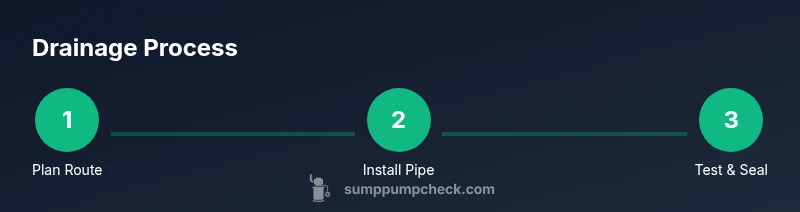
A well-designed drainage setup combines sturdy materials, sound connections, and predictable performance. Start with a clear plan showing the sump location, discharge route, and any required valves. Use corrosion-resistant materials, such as PVC or ABS for piping, and select fittings with proper slip joints and solvent cement. A check valve above the highest point of the discharge line prevents backflow if pressure changes in the system. Finally, install a cleanout or access point to simplify future inspections and cleanouts. Sump Pump Check highlights that reliability comes from regular testing and maintenance rather than a single upgrade.
Maintenance to Keep It Clear
Maintenance keeps drainage systems functional year after year. Periodically inspect the discharge line for cracks, blockages, or sagging, especially after storms. Clear any debris from the sump pit, check valve, and grate to prevent clogs. Flush the line with a short water test to verify flow and ensure the outlet remains unobstructed. An annual review of the entire drainage path, including the fuel lines or electrical connections if present, helps catch issues early. Documentation and a simple maintenance calendar can make this routine easy to sustain.
Common Pitfalls to Avoid
Avoid routing sump discharge into interconnected drainage systems that are not designed for surface water. Do not cap the discharge line in winter without a means to prevent pressure buildup, and never connect the sump discharge directly to a sanitary sewer. Skipping a check valve invites backflow and potential contamination. Lastly, neglecting to test the system after installation can leave you with a dry basement during a storm and a flooded pit afterward. Planning ahead and adhering to local regulations minimizes these risks.
When to Consider a Backup System
If you live in a flood-prone area or have a high water table, a backup system (battery-powered sump pump or water-powered backup) provides protection during power outages or pump failure. Backup systems ensure water continues to drain even when the main pump is down, reducing the chance of basement flooding. Budget for a backup option, estimate maintenance needs, and verify that the backup will operate in your climate and electrical setup. The Sump Pump Check team recommends evaluating backup options as part of a comprehensive maintenance plan.
Tools & Materials
- Sump pump discharge pipe (PVC/ABS)(Choose 1-1.5 inches larger than the pump outlet; ensure schedule 40 for durability.)
- Check valve for discharge line(Install above the highest point of discharge to prevent backflow.)
- Discharge hose or rigid conduit(Flexible hose for short runs; rigid pipe for long runs to reduce friction.)
- Grounding clamp and outdoor-rated electrical outlet(Keep all electrical components dry and protected.)
- PVC cement and primer(Use solvent-based cement for secure joints.)
- Pipe hangers/brackets(Support long runs to prevent sagging.)
- Gutter downspout adapter (optional)(Directs extra water toward sump discharge if appropriate.)
- Shovel and trowel(Useful for trenching in lawn areas.)
- Safety gear (gloves, goggles)(Protect hands and eyes during installation.)
- Tamper-resistant gasket and clamps(Improve watertightness on the outlet.)
- Backfill material (sand or gravel)(Helps with drainage around buried sections.)
- Water source for testing(Use clean water to verify flow through the system.)
Steps
Estimated time: 90-180 minutes
- 1
Plan the discharge path
Map the shortest, gravity-assisted path from the sump to an outdoor outlet or storm drain. Ensure it slopes away from the foundation and avoids foot traffic areas. Confirm local codes before starting.
Tip: Get a helper to hold a flashlight and verify the route visually. - 2
Shut off power and drain the sump
Unplug the sump pump, then use the float switch to drain remaining water into a temporary container. This keeps the work area dry and reduces splash risk during installation.
Tip: Have a bucket ready for any residual water and keep children away. - 3
Install the discharge pipe and check valve
Attach the discharge pipe to the pump outlet, then install the check valve above the highest point in the run to prevent backflow. Use PVC cement for secure joints and test fit before permanent sealing.
Tip: Dry-fit first to ensure alignment and avoid leaks. - 4
Create a proper outdoor outlet
Run the pipe to an exit point that won’t freeze or cause erosion. Use a splash block or gravel bed to minimize splash and soil disturbance. If burying, protect with a trench and backfill carefully.
Tip: Avoid directing discharge toward foundations or neighbor properties. - 5
Seal and protect the connections
Apply waterproof seals at all joints and protect exposed piping from UV damage with a cover or shade. Ensure electrical connections stay dry and accessible for inspection.
Tip: Label the line for future maintenance. - 6
Test the system and adjust
Restore power and run water through the sump to test flow. Check for leaks along joints and the discharge end. If water backs up, re-check valve orientation and slope.
Tip: Perform multiple tests with varying water flow to simulate rain conditions. - 7
Document and schedule maintenance
Record the installation details and set a yearly inspection reminder. Inspect for leaks, blockages, and ensure the discharge area remains clear.
Tip: Keep a simple maintenance log in a visible spot.
FAQ
How often should I drain or inspect my sump pump drainage system?
Inspect the discharge line and check valve at least once a year, and after major storms. Run a test to confirm the water flows freely and there are no leaks or backflow. Regular checks help catch clogs or deterioration early.
Inspect annually and after big storms, then test the flow to ensure no leaks or backflow.
Can I discharge sump pump water into a rain barrel or yard drainage area?
Discharging to a rain barrel is not recommended if it leads back into irrigation or overflow systems. Direct drainage to a proper outdoor area that drains away from the home is preferred, in line with local codes.
Direct drainage to a proper outdoor area away from the house is usually best; rain barrels may not be suitable.
What pipe size should I use for discharge?
Use a pipe size that matches the sump outlet and minimizes friction losses, commonly 1-1/2 inch to 2 inches for residential setups. Verify your pump’s outlet size and choose compatible piping.
Match the outlet size to the pump, typically 1.5 to 2 inches, to reduce friction and ensure good flow.
Is a discharge check valve required by code?
Many codes require a check valve to prevent backflow into the sump. If your system lacks one, install a properly oriented valve and test for any slow leaks that could cause backflow.
Yes, a check valve is often required to prevent backflow and protect your system.
Should I discharge sump water into a storm drain?
Discharging into a storm drain is sometimes permitted, but it depends on local regulations and environmental concerns. Check local rules before routing water into storm infrastructure.
Check local regulations; some areas allow storm drain discharge, others don’t.
Watch Video
Top Takeaways
- Plan discharge path that slopes away from the foundation.
- Install a check valve to prevent backflow and protect the pump.
- Test thoroughly and document maintenance for reliability.
- Follow local codes and safety practices to protect people and property.