How to Get Sump Pump Water Away from House
A practical, step-by-step guide to routing sump pump discharge away from your home's foundation, preventing basement flooding and foundation damage with code-conscious methods.


By following this how to get sump pump water away from house guide, you will learn to evaluate drainage, install extensions, and optimize discharge for safer foundations. You will need basic tools, downspout extensions, a discharge hose, and basic grading adjustments. The steps cover planning, routing, extending discharge, and maintaining the system to prevent basement flooding.
Why proper drainage matters
Directing sump pump discharge away from your home's foundation is a critical part of preventing basement flooding and costly structural damage. According to Sump Pump Check, poor discharge practices can increase hydrostatic pressure against foundations, leading to cracks, leaks, and damp basements. A well-planned drainage strategy reduces erosion around the footprint of the house, protects landscaping, and minimizes staining and mold growth. This section explains the whys behind redirecting water and what a robust plan looks like in real-world terms, with practical considerations for common lot layouts and climate conditions.
Assessing your current setup and potential problem signs
Start by walking the perimeter of your home to look for water pooling near the foundation, soggy soil, or eroding landscaping. Look at where downspouts currently discharge and whether the soil slopes toward the house. Signs of trouble include damp basement walls, efflorescence on masonry, and damp crawlspaces. A quick check of your sump discharge path should reveal whether water travels a few feet away from the foundation or ends up pooling near doors or windows. As you assess, note any obstacles like utility lines, sidewalks, or tight yard spaces that will influence your plan.
Key components of an effective discharge plan
An effective plan combines proper drainage path, durable discharge materials, and predictable maintenance. Core components include properly directed downspouts, a routed discharge line, splash blocks or permeable outlets, and a slope away from the foundation. Consider a check valve or backflow preventer to stop water from re-entering the system, and ensure the discharge runs to an area where water can percolate or harmlessly drain away from the home. Keep the path free of debris and avoid discharge onto sidewalks or neighbor properties where allowed by code.
Downspout extensions and splash blocks
Extensions push water further away from the foundation and reduce splashback that can erode soil near the base. When choosing extensions, select rigid PVC or corrugated plastic that stays clear of grass and walkways. Splash blocks or drainage grates at the outlet help dissipate energy and reduce soil displacement. If extendable hoses are used, secure them so wind or pets won’t dislodge them. Regularly inspect for cracks or leaks and replace promptly to maintain a steady flow.
Grading, grading issues, and exterior drainage optimization
Grading should slope away from the foundation so water moves outward rather than toward the house. If the yard doesn’t drain well, you may need to regrade or install shallow swales to guide water away. Avoid creating new water features that funnel runoff toward neighboring properties or public areas. In some cases, adding a dry well or permeable drainage trench can help absorb excess water before it reaches the foundation. Remember that changes to grading may require local permits in some regions.
Sump pump discharge options and check valves
Discharge options include directing water to a landscaped area, a permeable surface, or into a drainage system designed to handle yard runoff. A check valve or backflow prevention device helps prevent water from flowing back into the sump when the pump restarts. If your discharge runs into a storm sewer, verify local regulations—some municipalities prohibit direct connection to public systems. Label the discharge so it is easy to identify during a service check or inspection.
Maintenance routines to keep water away from your home
Establish a regular maintenance routine that includes seasonal inspection of the discharge path, clear out debris from gutters and downspouts, and test the sump pump and backup power source. Ensure the discharge line remains free of blockages, kinks, and crushed sections. Periodically observe a rain event or run the pump to confirm water exits cleanly and consistently away from the foundation. Regular maintenance helps catch issues before they become costly repairs.
Common mistakes to avoid and when to call a professional
Common mistakes include discharging onto driveways or sidewalks, failing to extend lines far enough from the foundation, and neglecting check valves which allow backflow. Resist routing water into unlined areas that can erode soil or create icy patches in winter. If you encounter persistent basement dampness, sewer odors, or you’re unsure about local codes, this is a good time to contact a licensed professional for a site assessment.
Tools & Materials
- Measuring tape(Measure run lengths and distances to foundations)
- Shovel(For grading adjustments and trenching as needed)
- Rake(Level soil and shape grades)
- Downspout extension kit(Extend reach away from foundation)
- Splash blocks(Dissipate energy at outlet)
- PVC discharge pipe (with elbows)(Create durable, clean discharge path)
- PVC cement and primer(Secure piping connections)
- Gloves(Protect hands during installation)
- Safety glasses(Eye protection when cutting or drilling)
- Utility knife(Trim extensions as needed)
Steps
Estimated time: 2-6 hours
- 1
Assess drainage and plan impact
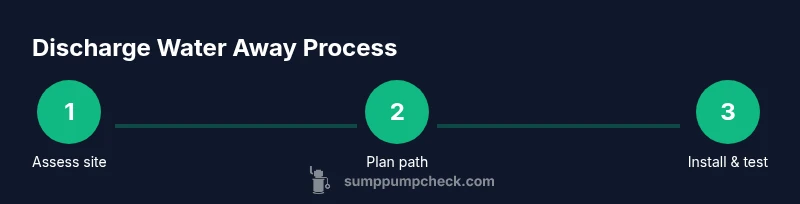
Walk the perimeter, note where water pools, and identify ideal discharge points. Consider property grade and existing landscaping to avoid directing water toward driveways or neighbors.
Tip: Document problem areas with photos for reference when purchasing materials. - 2
Gather materials and tools
Collect extensions, splash blocks, PVC pipe, fittings, and safety gear. Verify the kit fits your downspout size and matches local discharge preferences.
Tip: Double-check length measurements before cutting pipes. - 3
Install downspout extensions
Attach extensions to each downspout and route them toward the planned discharge area. Ensure they are firmly connected and won’t detach in wind or during mowing.
Tip: Use clamps or straps to secure long runs. - 4
Lay out and connect discharge piping
If routing underground, trench shallowly and lay PVC pipe with gentle slopes away from the foundation. Use elbows to navigate corners and secure joints with PVC cement.
Tip: Avoid sharp bends that slow water flow and invite blockages. - 5
Create an approved outlet and splash area
Place splash blocks or permeable outlets at the end of the discharge to dissipate energy. Point the outlet away from walkways and foundations.
Tip: Direct water toward a lawn area where it can be absorbed. - 6
Test your system
Simulate a rain event by running water through the system and observe flow. Check for leaks in joints, kinks, or standing water near the foundation.
Tip: Repair leaks promptly to prevent erosion or basement dampness. - 7
Check valve and safety considerations
If using a check valve, verify it’s properly installed to prevent backflow. Confirm any connections comply with local codes and avoid discharging into public spaces where prohibited.
Tip: A backflow preventer protects the sump and home from accidental flooding. - 8
Document and maintain
Create a simple maintenance schedule: inspect quarterly, clean debris seasonally, and test the pump annually or after heavy rainfall.
Tip: Keep spare parts on hand for quick fixes.
FAQ
What is the best distance to direct water away from the foundation?
Direct water as far from the foundation as practical for your lot layout, ensuring it doesn’t pool near walls or crawl spaces. Prioritize achieving a natural slope away from the house and avoid creating new erosion paths.
Direct water away from the foundation as far as practical, ensuring it doesn’t pool near walls. A gentle slope away helps prevent seepage.
Do I need a check valve on the sump discharge?
A check valve prevents backflow into the sump and reduces the risk of re-flooding the area after the pump stops. Install it according to the manufacturer’s instructions and local codes.
Yes, installing a check valve helps prevent backflow and protects your sump from re-flooding.
Can I discharge sump water onto the street or public area?
Discharging onto streets or public areas is often restricted by local codes. Check municipal rules before routing to public spaces and consider a yard-based disposal or dry well instead.
Check your local codes before discharging to a street; many places restrict this, so consider a yard-based discharge.
How often should I maintain the discharge system?
Inspect and clean the discharge path at least seasonally, test the pump annually, and perform quick checks after heavy rainstorms to ensure uninterrupted flow.
Inspect seasonally, test annually, and check after heavy rains to keep it working.
What tools do I need to install a sump pump discharge extension?
You’ll need measuring tape, a saw or pipe cutter, PVC pipe and fittings, PVC cement, a utility knife, and safety gear like gloves and glasses.
Typical tools include measuring tape, PVC fittings, cement, and safety gear.
When should I hire a professional?
If grading changes are extensive, the slope is unclear, or you’re unsure about local codes for discharging water, consult a licensed contractor or a drainage specialist.
If grading is complex or codes are unclear, consider hiring a drainage professional.
Watch Video
Top Takeaways
- Plan discharge with gravity and slope in mind
- Use durable extensions and proper outlets
- Regular maintenance prevents costly flooding
- Check local codes before discharging to public spaces