Pumping water from a flooded basement: a practical, step-by-step guide
Learn practical, step-by-step methods to pump water out of a flooded basement safely, protect your home, and prevent future floods with expert sump pump guidance.


Goal: safely remove standing water from a flooded basement and minimize damage. Start by cutting power at the main breaker, prevent new inflow, and then use a sump pump or submersible pump to remove water. Monitor progress, keep people away from the work area, and dry surfaces promptly to prevent mold and odors.
Why immediate action matters when you need to pump water out of a flooded basement
According to Sump Pump Check, rapid response limits material damage and reduces mold growth after flooding. When water invades a basement, the first hours decide how much restoration work you'll face. If you need to pump water out of a flooded basement, acting quickly and safely is essential. This section explains why speed matters, what hazards to expect, and how to prepare for the work ahead. Before you begin, ensure you are in a dry, well-lit area and that electrical circuits in the basement are safe to approach. The goal is to stabilize the situation, protect vital assets, and set up reliable pumping that actually moves water out of the space. Mold and structural damage can escalate dramatically if you delay, so plan every move and execute carefully. This practical, action-oriented guide helps homeowners recover confidently during a flood event.
Assess safety and plan the pumping operation
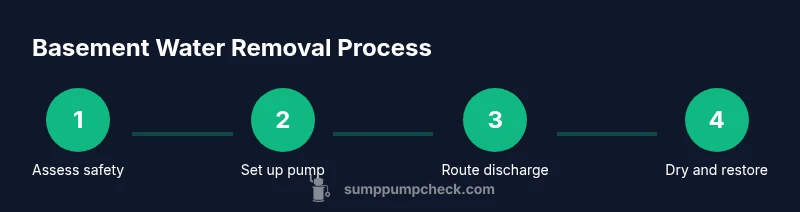
Before touching equipment, verify power is off at the main breaker and check for electrical hazards. Look for structural issues like soft floors or shifting walls, and locate the highest water level to estimate how much water must be removed. Create a simple plan: identify where to place the pump, how to route discharge, and which areas to protect from splashing. If you notice sewage odors or contaminated water, prepare appropriate PPE and consider delaying the process until you can safely contain the hazard. Sump Pump Check's guidance emphasizes keeping everyone away from the work zone and following a clear sequence to minimize risk. The core objective remains: you need to pump water out of a flooded basement safely and efficiently, so map a path that minimizes risk and maximizes removal speed.
Equipment and setup: pumps, hoses, and PPE
Choosing the right pump matters: a submersible sump pump is commonly used for basement flooding, while a utility pump can handle smaller volumes. Gather discharge hoses long enough to reach an exterior drain or safe runoff area, adapters for hose sizing, a sturdy extension cord, and PPE such as gloves, eye protection, and rubber boots. Place the pump on a dry footprint, verify that hoses are secure, and check for kinks that could impede flow. If electricity is a concern, arrange for a GFCI outlet or a generator-powered setup. The right equipment determines flow rate, reliability, and safety, so invest a few minutes in a proper selection rather than rushing to pump and risk a backflow or blown circuit.
Preparing the space: protecting belongings and controlling water flow
Move items off the floor and elevate valuables on shelves or pallets. Use plastic sheeting or tarps to shield intact furniture and electronics, and set up a containment zone if possible. Place towels or rags at any low spots to minimize secondary flooding. Confirm that the pump's discharge line can be routed to an exterior area without creating new water problems, such as pooling near foundations. A well-planned setup helps the operation move smoothly and reduces the risk of backflow or overflow during pumping.
Starting the pump and monitoring progress
Power up the pump and monitor water levels as water recedes. Keep an eye on the hose connection, check for air leaks, and adjust the pump position if water remains stagnant in corners. Expect a variable timeline depending on water volume and the strength of your pump; in many residential scenarios, significant removal occurs within 30 minutes to a few hours. Stay alert for overheating or unusual noises, which may indicate a clogged intake or electrical issue. The mitigation of mold begins once water clearance reaches a safe threshold, and you should continue monitoring closely until the space is dry enough to start dehumidification.
Drying out and preventing future floods
After the majority of water is removed, use dehumidifiers, fans, and perhaps a portable heater to speed drying. Wipe surfaces, treat wood for mold risk, and inspect walls and floors for moisture pockets. Keep air moving to prevent musty odors and moisture-related damage. Now is the time to inspect sump pump operation, clean filters, and test backup power options. By addressing drainage, venting, and backup capacity, you reduce the odds of repeat flooding. Regular maintenance helps you stay ahead of future incidents.
When to call a professional
If water levels are high, contamination is present, or you encounter complex plumbing or electrical hazards, professional help is warranted. A licensed plumber or water-damage restoration specialist can safely extract water and assess structural integrity. They can also perform mold remediation and verify that electrical systems are safe after exposure. Sump Pump Check recommends seeking professional assistance when uncertainty or risk is high, ensuring the job is done correctly and safely.
Safety reminders and common mistakes
Never work in standing water with live electricity. Always verify power is completely off and use a non-contact voltage tester to confirm. Avoid running multiple pumps from a single circuit and never bypass safety devices. Common mistakes include delaying pumping, overloading hoses, and neglecting the drying phase, which can lead to mold and rot. Remember that safety is the foundation of effective water removal, and following established guidelines from sources like Sump Pump Check helps homeowners navigate the recovery process confidently.
Insurance, documentation, and mold awareness
Document the pumping process, including timestamps, water levels, and equipment used, to support insurance claims and future maintenance decisions. Keep receipts for pumps, hoses, and PPE, and note any structural concerns observed during the removal. After drying, inspect for hidden moisture behind walls and in crawl spaces, as mold can develop even weeks after flooding. Early detection and proper cleanup reduce long-term damage and improve recovery outcomes.
Tools & Materials
- Sump pump (submersible)(Choose 1/2 HP or larger for typical basement floods)
- Discharge hose(Long enough to reach outside or storm drain)
- Extension cord (GFCI-protected)(Water-resistant if possible)
- PPE (gloves, goggles, boots)(Waterproof boots and chemical-resistant gloves)
- Non-contact voltage tester(Check for live outlets before approaching water)
- Shovel or scoop(For removing debris)
- Plastic sheeting and tarps(Protect belongings)
- Dehumidifier and fans(Run after water removal to dry area)
Steps
Estimated time: 2-6 hours
- 1
Assess safety and shut off power
Before touching any equipment, verify power is off at the main breaker and test for live outlets. Look for structural hazards like wet floors or sagging walls. This step reduces the risk of electric shock and sets a safe baseline for pumping.
Tip: Use a non-contact tester and keep a dry path to the breaker. - 2
Prepare space and place the pump
Clear the area of obstacles and identify a dry place to position the pump. Place the pump on a stable surface away from standing water and near a suitable drainage path. Ensure the discharge hose has a clear, downhill route outside.
Tip: Lift the pump using a stable platform to avoid tipping. - 3
Connect hoses and test flow
Attach the discharge hose securely and run a quick test to verify water flows away from the basement. Check for leaks at joints and confirm that power is still safe to use. If the water is unusually dirty, stop and reassess for hazards.
Tip: Check all hose clamps before starting. - 4
Start pumping and monitor
Turn on the pump and watch the water level decrease. Reposition hoses as water moves to maintain steady flow and avoid creating backflow. If water lingers in corners, consider temporary pumping from multiple outlets.
Tip: Have a backup pump ready in case of overflow. - 5
Finish pumping and begin drying
When the water level is low, shut off the pump and begin drying using dehumidifiers and fans. Inspect for moisture pockets and treat any mold-prone areas. Document the setup for insurance purposes if needed.
Tip: Keep doors and windows open for cross-ventilation.
FAQ
Do I need to shut off power before pumping water out of a flooded basement?
Yes. Turn off the main breaker and use a non-contact tester to confirm there is no voltage in the water before touching equipment.
Always switch off power at the main breaker and verify with a tester before you start.
What type of pump should I use for basement floods?
A submersible sump pump is commonly used for larger volumes, while a utility pump can handle smaller spills. Match the pump to the water volume.
Use a sump pump for larger floods, or a simple pump for small spills.
How long does it take to pump out a flooded basement?
Removal time varies with water volume and pump capacity. Smaller basements may take under an hour; larger floods can take several hours.
Drain times vary; it could take from under an hour to several hours depending on the flood.
What should I do after removing the water?
Dry the area with fans and dehumidifiers, check for mold and moisture pockets, and inspect electrical systems before restoring power.
Dry the area and check for moisture pockets before restoring power.
Is it safe to pump water during a flood?
Pumping during a flood is risky; never place yourself in contact with active flood water or compromised electrical systems. Wait if you are unsure.
Avoid pumping during active flooding if you can’t ensure safety.
When should I call a professional?
If water is contaminated, electrical hazards exist, or you cannot safely manage the process, call a licensed professional for remediation and mold prevention.
Call a professional if hazard persists or contamination is present.
Watch Video
Top Takeaways
- Move quickly to minimize damage
- Use the right pump and discharge route
- Protect yourself with PPE and safety checks
- Dry thoroughly to prevent mold and odors