How Long Should a Sump Pump Run Per Cycle: A Practical 2026 Guide
Discover how long a sump pump should run per cycle, what affects cycle length, and practical steps to optimize performance in 2026. A data-driven guide from Sump Pump Check.


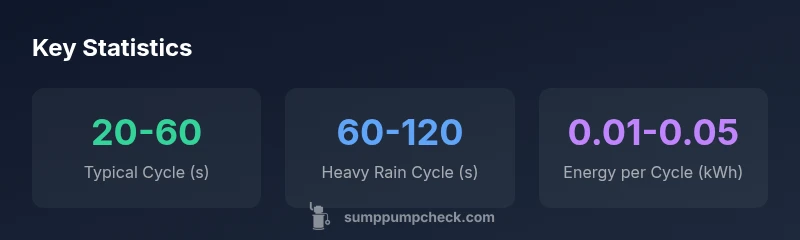
Typically, how long should a sump pump run per cycle? In normal inflow, expect 20–60 seconds per cycle, with longer runtimes of 1–2 minutes during heavy rainfall or rapid water rise. Cycle length is affected by pump size, discharge capacity, pit size, and float-switch settings; understanding these helps you size and maintain the system effectively.
How cycle length is determined
The question how long should a sump pump run per cycle is answered by looking at how the pump is triggered and how water leaves the basin. A typical cycle begins when the water level rises enough to lift the float switch or activate the electronic switch, and ends when the water level drops below the switch threshold. From there, the pump rests until inflow again exceeds the threshold. In 2026, homeowners commonly see cycles that range from a quick burst to a longer pumping period, depending on home layout and weather conditions. This section explains the basic dynamics that set cycle length, so you can anticipate how your system behaves during different seasons and rainfall events.
Key takeaway: cycle length is not fixed; it shifts with inflow rate, pit geometry, and discharge head. The right sizing and settings keep cycles predictable.
Key factors that influence cycle duration
Several interacting variables determine how long a cycle lasts. First, the float-switch type matters: a fast-activating switch can shorten the cycle by beginning pumping earlier, while a slow or sensitive switch may extend the cycle slightly as the system responds to smaller increments in water rise. Pump capacity and the discharge line also play a role; a larger pump or shorter head (less vertical lift) empties the pit faster, shortening cycles, whereas a high-head setup or long discharge runs can lengthen cycles. Pit size and debris in the pit affect how quickly water accumulates to the switch, potentially elongating cycles if the pit fills slowly. Finally, the water table dynamics and rainfall intensity drive inflow rate, which directly influences cycle length.
Practical note: an oversized pump in a small pit may cause short, choppy cycles, while an undersized pump in a high-inflow scenario can create longer, less efficient cycles. Align pump capacity with pit and discharge constraints for stable runtimes.
Reading cycle length in different rainfall scenarios
During normal rain, indoor drainage, and typical groundwater, cycles commonly fall in the 20–60 second range. When a storm hits or the water table rises rapidly, cycles can extend to 1–2 minutes or longer as the system works to remove larger inflows. If the discharge path becomes partially clogged or the check valve sticks, you might see slower fill-to-pump cycles that drag on longer than expected. Conversely, a quiet dry spell with minimal inflow will show short, infrequent cycles or even a halted pumping period if the pit remains dry.
Tip: time several cycles during varying conditions to establish a baseline for your home and catch anomalies early.
How to measure cycle length accurately
To measure cycle length, start a stopwatch when the pump turns on and stop when it turns off. Record at least 5 cycles across a few hours to account for inflow variability, then compute an average. Note any deviations during rain events and verify whether the discharge path remains clear. Use a simple log (time on, time off, inflow level) to track changes over weeks. This data helps you determine if the current pump size remains appropriate or if adjustments are needed.
Pro tip: measure multiple times during different weather conditions for a robust baseline.
Ways to optimize performance and minimize unnecessary cycling
Optimization strategies focus on aligning pump capacity with inflow and improving drainage. Consider verifying discharge head (vertical distance to the outlet) and ensuring a clean, unobstructed path to the exterior. A properly functioning check valve reduces backflow and prevents short cycling when water briefly returns to the pit. If cycles are consistently long or frequent, sizing adjustments may be warranted: a larger capacity pump can move water faster, while a backup or dual-pump system can handle peak inflows without extending cycle duration. Regular maintenance, such as cleaning the pit and removing silt, also helps keep cycle length predictable.
A well-tuned system balances energy use and protection against basement flooding.
Maintenance and safety considerations around cycle length
Regular sump pump maintenance is essential to keep cycle length predictable. Inspect the float switch for sticking or misalignment, clean the sump pit, and verify the discharge line isn’t blocked. Test the pump annually and after major storms to confirm it starts promptly and stops as water recedes. Ensure the electrical supply is stable and protected from moisture, and consider a battery backup if power reliability is a concern. Documenting your cycle length over time provides a practical baseline for future improvements.
When to seek professional help
If you notice dramatic shifts in cycle length, persistent short cycles, or a pump that runs too long during normal weather, consult a licensed plumber or sump-pump specialist. Inconsistent cycles can indicate under-sizing, defective float switches, clogged discharge lines, or a failing pump. A professional can perform a pump capacity assessment, inspect the pit and discharge system, and recommend improvements to increase reliability and reduce unnecessary cycling.
Compact comparison of cycle durations by inflow and discharge conditions
| Scenario | Typical Cycle (seconds) | Notes |
|---|---|---|
| Normal inflow | 20-60 | Regular rainfall or steady groundwater |
| Heavy rainfall | 60-120 | Rapid water rise may extend cycle duration |
| Low inflow / small pit | 10-30 | Smaller volumes shorten cycles |
| Long discharge path / high head | 40-90 | Higher head can lengthen cycles |
FAQ
What is the typical range for a sump pump cycle length?
Under normal inflow, most cycles fall in the 20–60 second range. During heavy rainfall, cycles can extend to 1–2 minutes. These ranges help you gauge if your pump is appropriately sized for your basement drainage needs.
Most cycles run between 20 and 60 seconds, longer during heavy rain.
Can a cycle length indicate the pump is too small?
Yes. If cycles are very short and frequent, or very long during heavy inflow, it may indicate under-sizing. A professional can calculate required flow rate and head pressure to confirm sizing.
Frequent, short cycles or very long cycles can signal under-sizing.
How can I reduce unnecessary cycling?
Check discharge path for blockages, ensure a properly functioning check valve, and verify the float switch and pit size. If inflow exceeds capacity, upgrading the pump or adding a second pump with a backup solution may be warranted.
Clear the discharge line and verify the switch; upgrades may be needed if inflow is high.
Does cycle length change with temperature or water table?
Yes. Higher groundwater levels and warmer conditions can increase inflow, changing cycle length. Regular monitoring across seasons helps you adapt sizing and maintenance strategies.
Water table and temperature affect inflow and cycle length.
Is it normal for cycles to stop during dry spells?
Yes. If there is no inflow, cycles naturally stop. However, ensure there is no buildup of debris or a faulty switch that prevents pumping when needed.
Cycles stop when there’s no inflow; check for debris if they stall.
“Understanding cycle length is a practical step in sizing and maintaining a sump pump for reliable basement protection.”
Top Takeaways
- Measure cycle length under varied conditions to size pumps correctly
- Expect longer cycles during heavy rainfall
- Improve drainage to reduce unnecessary cycling
- Monitor energy use as cycles aggregate over time