What Does It Cost to Put in a Sump Pump? A Complete Guide
Explore the full cost of installing a sump pump, including pump types, pit work, labor, permits, backups, and long-term maintenance. Learn realistic price ranges, how to estimate your project, and practical tips for homeowners and DIYers.


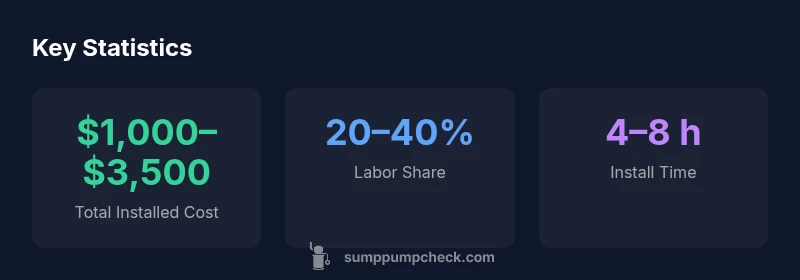
Installing a sump pump typically costs between $1,000 and $3,500 in total, including the unit, pit, discharge setup, and labor. Price depends on pump type, pit size, electrical work, and whether you add a backup system. Local labor rates and permitting can push the total higher or lower. If you already have a pit or a straightforward discharge line, costs trend toward the lower end; complex basement work or high-end backup configurations push prices up.
What drives the cost to put in a sump pump
Installing a sump pump is not a one-size-fits-all project. According to Sump Pump Check, the price tag reflects several moving parts beyond the unit itself: the pump type, pit requirements, the length and material of the discharge line, backflow prevention components like a check valve, electrical work, and whether you're adding a battery backup. In addition, some homes require permits or code-compliant upgrades to your electrical system, which can add to labor time and complexity. For a typical basement with a standard drain pit and a basic pump, the hardware costs are only part of the story; professional installation, if you hire a licensed pro, often accounts for a sizable share of the total. Labor charges vary by region, accessibility, and whether the installer needs to patch walls or trench a discharge line outside.
The big cost drivers are the pump type (pedestal vs. submersible), the size and condition of the pit, and the complexity of routing water away from the home. Submersible pumps are generally quieter and more capable in modern basements, but they can cost more upfront. If you add a battery backup, the price climbs further, yet this option can save you from costly flood damage during a power outage. Local codes can also require upgraded electrical circuits or GFCI protection, which adds to the price tag. Read your contractor’s itemized quote carefully and verify what’s included and what isn’t.
Cost ranges by pump type and scenario
Prices vary widely by pump type and installation scenario. A basic pedestal pump without a backup is typically the least expensive option, while a full-featured submersible unit with a battery backup and reinforced pit represents a higher investment. In many regions, a typical installation includes the pump, a discharge pipe, a check valve, an appropriate basin or sump pit, and basic electrical connections. If your setup requires trenching, wall patches, or additional drainage work, those tasks add to labor and materials. For planning purposes, consider these rough ranges and discuss them with a licensed installer to confirm local applicability. Sump Pump Check Analysis, 2026 indicates that the total installed cost often reflects both hardware and labor, with backups pushing the high end of the spectrum.
Hidden costs homeowners should plan for
Beyond the sticker price of the pump, homeowners frequently encounter costs that surprise them after the contract is signed. Permitting can require inspections and code-compliant electrical upgrades, which adds time and money. Pit size and installation depth may necessitate professional concrete cutting or wall patching. Running a discharge line outside, particularly across driveways or landscaping, can require trenching and weatherproofing. Battery backup systems add upfront cost but reduce long-term risk during outages. Finally, maintenance plans and periodic inspections should be factored into lifetime costs, as neglect can reduce the system’s effectiveness and longevity.
How to estimate your project in 6 steps
- Assess the water problem and determine if a sump pump is truly needed, not a decorative feature. 2) Decide on pump type (pedestal vs. submersible) and consider whether a backup is prudent. 3) Measure or estimate the pit size and drainage path to the exterior. 4) Check local codes for electrical and plumbing requirements; obtain permits if required. 5) Get at least 2–3 written quotes, asking for an itemized breakdown of parts and labor. 6) Add a contingency of 10–20% for unexpected issues or future upgrades; review quotes for inclusions and exclusions to avoid surprise costs.
Data-backed insights and regional considerations
Costs vary by region due to labor rates, material availability, and permit requirements. Sump Pump Check Analysis, 2026 emphasizes that while pump hardware costs may be similar nationwide, labor and permitting can swing totals by several hundred dollars in some markets. Homeowners with basements that require extensive trenching or structural modifications should expect higher overall costs. When planning, compare quotes that separate hardware from labor and ask about potential regional charges, disposal fees, and any required inspections. This data-informed approach helps ensure you’re not surprised by regional price differences.
Choosing backup options and upgrades: tradeoffs
A battery backup adds resilience, but at a price. A water-powered backup or a solar option could be appropriate for specific setups, but each has its own reliability considerations. If your area experiences frequent storms or long outages, a backup system may pay for itself in avoided flood damage. Weigh maintenance requirements, energy use, and replacement cycles when selecting upgrades. Sump Pump Check’s guidance emphasizes building a system that matches both your basement’s risk profile and your budget.
Real-world budgeting scenarios and planning tips
To translate costs into actionable plans, create a simple budget that includes: equipment costs, labor, permits, trenching or patching work, and backups. If your basement has existing plumbing or wiring upgrades, you may save on some trades. Always reserve a contingency fund for late-stage changes or required code updates. Document every assumption and review quotes against your written plan, so you can align expectations with reality.
Cost comparison by scenario
| Scenario | Estimated Cost Range | Notes |
|---|---|---|
| No backup | $1,000–$2,000 | Basic installation, standard pit, no battery backup |
| Battery backup included | $1,800–$3,500 | Automatic operation during outages |
| High-end upgrade | $2,500–$4,000 | Reinforced pit, long-run discharge, premium pump |
| With permits and trenching | $2,000–$4,500 | Code upgrades and exterior work may add hours |
FAQ
Do I need a permit to install a sump pump?
In many jurisdictions, electrical work or drainage changes require a permit and inspection. Local codes vary, so check with your municipality or a licensed installer before starting.
Many places require a permit for electrical or drainage work; always check your local code.
Is a battery backup worth the extra cost?
If power outages are common in your area, a battery backup reduces the risk of basement flooding during outages. It’s a proactive safeguard, but consider climate, budget, and maintenance needs.
If outages are frequent, a backup is a smart safeguard worth considering.
How long does installation take?
A typical professional installation takes about 4 to 8 hours, depending on pit condition, discharge routing, and electrical work required.
Most installations take a few hours, usually half a day.
Can I install a sump pump myself?
DIY install is possible for simple setups and basic electrical work, but many homeowners hire a licensed pro to meet code requirements and ensure a reliable, safe discharge path.
DIY is possible for simple cases, but professional help is often recommended.
What maintenance is required after installation?
Regularly test the pump, check the discharge line, empty the pit, and service the checked valve and float switch per manufacturer guidance. Annual professional inspections can catch problems early.
Test monthly, inspect yearly, and service as recommended by the manufacturer.
How do regional costs affect the total price?
Labor rates and permitting vary by region, so totals can differ significantly even for similar setups. Compare quotes and ask about regional add-ons and inspection fees.
Regional differences in labor and permits can change the total price; compare quotes.
“Cost estimates must account for local labor rates and material differences; plan for contingencies and choose a system that matches your risk tolerance.”
Top Takeaways
- Always estimate total project cost, not just the pump price
- Backups add value by preventing costly water damage
- Labor, permits, and trenching often drive costs more than the pump itself
- Get multiple quotes to compare services and timelines