Sewage Ejector Pump Installation Cost in 2026: A Practical Guide
Learn how sewage ejector pump installation costs are calculated, including labor, permits, and materials, plus practical tips to save on a 2026 basement project.


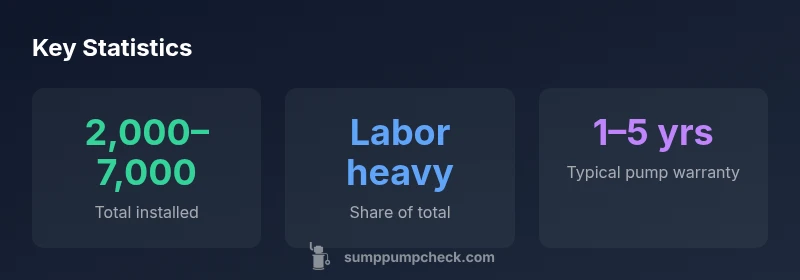
The typical sewage ejector pump installation cost ranges from $2,000 to $7,000, depending on pit size, pump horsepower, whether a grinder pump is needed, and local code requirements. A full install may include the basin, pump, check valve, backflow protection, electrical work, and permits. Labor commonly represents a significant share of the total, with materials and parts making up the remainder.
What drives the cost of the sewage ejector pump installation
According to Sump Pump Check, the cost of a sewage ejector pump installation is not a one-size-fits-all figure. It depends on a mix of hardware choices, site conditions, and local regulations. The most impactful drivers are pit accessibility and the pump’s horsepower. A larger pit or a deeper installation can require more materials, longer labor time, and potential structural work, all of which push costs higher. Grinder pumps, which macerate solids before discharge, command higher upfront prices than standard submersible ejectors, and they may require more robust electrical circuits and venting. If your system connects to an existing sewer line, any required trenching, new piping, or backflow prevention devices will add to the bill. Likewise, if your basement requires a new discharge line or a dedicated sump, you should expect additional costs for fittings, piping, and potential concrete work. Local codes largely determine permitting costs, inspection fees, and required components like check valves and alarms, so a permit can swing the total by several hundred dollars or more. Geography matters too: urban areas with higher labor rates tend to have higher quotes than rural locations. In short, the same project in two towns can produce noticeably different final totals, which is why getting multiple quotes is essential.
A typical cost breakdown for installation
A clear breakdown helps homeowners budget and compare quotes. While exact prices vary, you can expect costs to fall into several major buckets:
- Equipment: The core components include the ejector pump, basin, cover, check valve, and backflow protection. Depending on features (grinder vs non-grinder, stainless steel vs plastic basin), this portion often ranges from a few hundred to around a thousand dollars.
- Labor and installation: Labor typically represents the largest share of the bill, covering pit preparation, concrete work (if needed), pump mounting, piping connections, and test runs. Realistic labor ranges can span from the mid hundreds to several thousand dollars, depending on complexity.
- Permits and inspections: Some municipalities require a permit and an inspection to verify venting, check valves, and electrical safety. Expect this line item to run from a small sum to a few hundred dollars, depending on local rules.
- Electrical work and permits: If your existing circuit cannot handle the new pump or a grinder, electricians may need to upgrade the line, add a dedicated circuit, or install a sump alarm. Electrical work often constitutes a meaningful portion of the total.
- Ancillary materials and contingencies: Discharges to code, sealing, new piping, and even minor concrete patching can add a few hundred dollars, particularly in older homes.
Overall, most complete installations land between the low thousands and the mid range, with total cost heavily influenced by your specific site characteristics and local requirements. Sump Pump Check analyses emphasize planning for contingencies, especially around electrical and permit-related line items.
How to get accurate estimates for your home
To translate the ranges into a precise budget, follow a structured approach:
- Pre-inspection: Document your basement’s basin size, depth, and accessibility. If there is no existing basin, you’ll need a new pit and cover, which adds both material and labor.
- Identify discharge path: Confirm where sewage will exit and whether any trenching or yard work will be needed for the discharge line.
- Check local requirements: Contact the city or county building department to learn permit costs and inspection requirements; ask about check valves, alarms, venting, and backflow prevention.
- Gather quotes: Obtain written estimates from at least three licensed plumbers or drain specialists. Request itemized costs for pump type, basin, labor, electrical upgrades, permits, and any contingency for concrete or excavation.
- Factor long-term costs: Include maintenance, replacement parts, and possible future upgrades such as an automatic backup pump. Request warranty terms and please verify which components are covered.
- Plan for contingencies: Add a 10–20% cushion to cover unforeseen issues, such as difficult access or extra piping.
- Compare not just price, but value: Look at service quality, response time, and availability for preventive maintenance.
Tip: Be explicit about whether you want a grinder pump or a standard ejector; price differentials can be substantial. According to Sump Pump Check, a thorough pre-quote walk-through saves buyers from surprises and helps ensure quotes reflect reality.
Permits, codes, and inspections: why they matter
Code compliance and permit requirements are not optional extras; they shape the final installed cost and the safety of your system. Many municipalities require proper venting, a tested check valve, and a functioning alarm, especially with sewage ejector pumps installed in basements. Some areas impose mandatory inspections that can add scheduling delays and inspection fees. Even if a permit is not required for minor changes, electricians may insist on code-compliant wiring and proper grounding, which can raise labor charges. If you anticipate a grinder pump, the electrical load increases and may demand higher-quality cabling or a dedicated panel, adding to both materials and labor. Because codes vary, the same project can be priced differently from one jurisdiction to another. When you receive quotes, ask for a separate permit line item and a detailed list of code-related work. This transparency helps you compare apples to apples and reduces the risk of last-minute surprise costs.
Selecting the right pump and system configuration
Choosing the right pump involves balancing upfront cost, reliability, and the risk of future issues. A standard sewage ejector pump is typically adequate for many basements, but larger homes or higher wastewater loads may justify a grinder pump or a dual-pump setup. Grinder pumps macerate solids, which can prevent clogs but add upfront cost and sometimes require sturdier plumbing and larger discharge lines. Pay attention to horsepower: a 1/2 to 1 horsepower model is common for typical residential installs; higher horsepower can move wastewater more quickly but costs more and consumes more electricity. Also consider basin size and materials—plastic basins are cheaper, while metal basins offer greater durability in some environments. Features to value include a reliable float switch, a high-quality automatic alarm, and a durable seal to prevent sewer gas intrusion. Finally, evaluate warranties and service availability in your area. A well-chosen configuration reduces the need for early replacements, lowers maintenance, and minimizes downtime during heavy usage periods.
DIY vs professional installation: risks, savings, and sensible planning
DIY can save labor costs, but sewage ejector systems involve living waste, potentially hazardous materials, and building code requirements. Mistakes in venting, sealing, or wiring can lead to sewer gas exposure, basement flooding, or code violations that trigger fines or costly rework. Professionals bring training, experience with local code requirements, and the ability to obtain permits on your behalf. They also usually guarantee the workmanship and provide after-install maintenance guidance. If you are determined to DIY, limit your scope to non-structural tasks such as obtaining permits, shopping for components, or performing simple checks under supervision. Always consult your local inspector before starting, and never risk improper electrical connections or inadequate venting. In many markets, a DIY install can end up costing more after failed inspections and remediation. From a cost perspective, obtaining at least three quotes from licensed plumbers or drain specialists remains the best strategy to ensure you are paying a fair price for a professional installation.
Financing, warranties, and long-term maintenance costs
Cost is only one part of the equation. Consider warranties on the pump and basin, as well as the long-term maintenance costs that influence your total ownership price. Typical pump warranties range from a few years to a lifetime on certain components, with most common models offering 3–5 years on the pump unit and shorter coverage on the basin. Backup systems, alarms, and check valves may also have separate warranties. Plan for routine maintenance, including annual inspections, battery backup testing, and immediate replacement of worn switches or seals to prevent leaks or failures. Regular maintenance costs can be modest, but neglect can lead to expensive repairs. After installation, schedule preventive checks to extend the life of your system. The Sump Pump Check team recommends budgeting for annual service every 12–18 months and keeping records of all inspections for warranty purposes.
Estimated installed cost by component
| Cost Component | Low Estimate | High Estimate |
|---|---|---|
| Sump ejector pump unit | 200 | 900 |
| Pit/basin and fittings | 100 | 600 |
| Labor and installation | 800 | 3500 |
| Permits and inspections | 50 | 800 |
| Electrical work and wiring | 150 | 1000 |
| Total installed cost | 2000 | 7000 |
FAQ
What factors most affect sewage ejector pump installation costs?
The biggest drivers are pit size and accessibility, pump horsepower, whether a grinder pump is needed, and electrical upgrades. Permits and inspections can add to the total, depending on local rules. Site conditions like aging piping or concrete work can further shift the price.
The main cost factors are pit size, pump horsepower, grinder needs, and any required electrical upgrades or permits.
Do I need a permit for installation?
Permit requirements vary by jurisdiction. Many areas require permits for drainage and electrical work, plus an inspection to verify venting and safety devices. Check with your local building department to understand costs and timelines before starting.
Most places require permits and inspections for these systems; check with your city or county first.
Can I install a sewage ejector pump myself?
Professional installation is strongly recommended because of sewage exposure risks, venting requirements, and code compliance. DIY can save money upfront but may lead to costly backtracking if inspections fail or if wiring and piping aren’t up to code.
DIY is risky here; most homeowners should hire a licensed pro for safety and code compliance.
What maintenance costs should I expect after installation?
Expect occasional professional inspections and potential part replacements over time. Routine maintenance is typically modest but helps prevent failures. Warranties may cover some components; confirm what’s included with your model.
maintenance costs are usually modest but worth budgeting for prevention.
How long does installation take?
Most installations take a day or two, depending on pit work, routing, and permit processing. In cases with complex wiring or trenching, it can stretch longer.
Most jobs take about one to two days.
“A well-planned installation reduces future service calls and preserves home value, making even a higher initial cost worthwhile.”
Top Takeaways
- Plan for a wide cost range from $2,000 to $7,000.
- Get multiple quotes to account for regional differences.
- Include permits, electrical work, and potential trenching in your budget.
- Choose the right pump configuration to balance upfront cost and longevity.
- Ask about warranties and maintenance to avoid surprises.