Rent a Sump Pump Near Me: A Practical Guide
Discover how to rent a sump pump near you: where to rent, what to look for, delivery and sizing tips, and cost-saving strategies. Expert guidance from Sump Pump Check for DIY homeowners.


Renting a sump pump near you is a practical, cost-efficient option for short-term needs. Start with local hardware stores, plumbing suppliers, and reputable rental platforms to compare models, delivery options, and support. Availability is generally strong in many urban areas, with delivery or pickup commonly offered. Always verify warranty terms, return policies, and any cleanup assistance before you book.
Why renting a sump pump near me makes sense
Renting a sump pump near me can be a smart move for temporary flooding or a sudden water-accumulation risk while you plan a longer-term fix. It avoids upfront purchase costs, storage hassles, and ongoing maintenance. Rental vendors typically provide a range of models—submersible, pedestal, and through-wall units—so you can pick based on your basement size, discharge needs, and noise tolerance. According to Sump Pump Check, renting offers flexibility for short-term needs and seasonal spikes, especially in regions with heavy rainfall or rapid thaw cycles. When you’re weighing options, add delivery or pickup timing, device return terms, and whether the vendor includes basic setup or troubleshooting support. If you anticipate multiple floods this season, renting can be more cost-effective than buying a pump you’ll only use sporadically.
In practice, many homeowners find renting a sump pump near me to be a practical bridge between a temporary problem and a long-term solution. The approach lets you monitor water loads and finish a project without committing to a large purchase. Always confirm what’s included in the rental—cord length, hoses, check valves, and any required adapters—so you’re not surprised by add-on fees later.
The Sump Pump Check team emphasizes planning ahead: check local codes, confirm site access, and understand who handles installation and removal. If a pump is needed during power outages, consider a model with battery backup capability to maintain operation when the grid goes down.
Where to rent a sump pump near me
Locating a rental near you starts with familiar sources: local hardware stores, home-improvement chains, and plumbing-supply shops frequently stock rental pumps. Online marketplaces can widen your options and show real-time availability for your ZIP code. Some contractors include rental equipment as part of their service, which can simplify coordination. In metropolitan areas, you’ll often find multiple vendors within a short drive; in rural areas, delivery services may be the primary channel. When you search, use the exact phrase rent a sump pump near me to surface the most relevant local listings and verify delivery capability to your location. The aim is to compare models, delivery windows, and service terms before committing. Always request a written estimate that itemizes the pump, hoses, discharge fittings, and any distance-based delivery fees.
Features to compare when renting
When you rent, focus on the pump’s features and the support package rather than price alone:
- Model type and flow rate: Ensure the unit can handle your basement’s square footage and the expected water load. Submersible pumps are common for tight pits; pedestal units offer easier service access.
- Head height and discharge: You’ll want a pump with enough vertical lift (head height) to reach your discharge point and a compatible discharge hose size.
- Automatic vs. manual operation: An automatic float switch can start the pump when water rises, reducing the need for manual intervention.
- Power requirements: Check cord length and whether the unit needs a dedicated circuit.
- Back-up options: Battery-backed pumps provide operation during power outages, which is a critical consideration in flood-prone areas.
- Check valve compatibility: Confirm whether the rental includes a check valve to prevent backflow.
- Warranty and service: Understand what coverage is included during the rental period and who provides technical support.
- Accessories: Ensure hoses, adapters, and pit covers are included or easily obtainable.
- Noise and vibration: If the unit will be near living spaces, consider noise ratings and mounting options.
If you’re unsure, ask the rental provider to compare a few models side by side and explain which is best for your drainage scenario.
Sizing and model selection basics
Sizing a rental pump involves a practical assessment of your basement’s drainage needs and the typical rainfall or flood risk in your area. Start by estimating the peak water volume you expect during a storm and the vertical distance water must be pumped to reach a safe outlet. Vendors can help with a quick surge calculation to match a pump’s flow rate (gallons per hour) and head height to your pit depth and discharge path. If your basement has multiple drainage points or you’re unsure about the pit capacity, request help from a contractor or the rental representative—many shops offer a quick sizing check as part of the rental process. Also consider a backup-pump option if outages are common in your area.
A well-sized rental pump reduces the risk of overworking the unit and minimizes wear on hoses and outlets. Remember that larger pumps aren’t always better; they consume more power and may cycle unnecessarily in light rain events.
Delivery, setup, and service fees
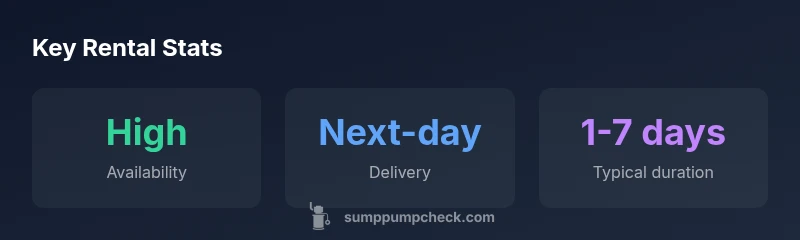
Delivery and setup policies vary by vendor but share common themes. Most renters can arrange next-day delivery or a scheduled window that fits your project timeline. Service fees may apply based on distance, time of arrival, and whether installation is included. If setup or a quick test run is offered, take advantage to verify correct operation and discharge routing. Before you commit, ask for a written quote that itemizes daily rental rates, any delivery charges, and the cost of removing the unit after use. If you’re planning a longer rental, confirm whether the price steps down for multi-day periods and whether you’ll pay a daily rate or a flat weekly rate.
Proper drainage routing is essential: make sure the discharge hose reaches an appropriate outdoor location or municipal drain, and confirm that any required permits or code considerations are satisfied.
Rental vs buying: pros and cons
Renting a sump pump near me makes sense when you face temporary flooding, seasonal usage, or uncertain long-term needs. Advantages include lower upfront costs, no maintenance except basic cleaning, and the option to upgrade to a higher-capacity unit if rainfall intensity increases. Drawbacks include recurring charges if floods persist, possible delivery fees, and potential limits on model availability. Buying a pump provides long-term access, better control over maintenance, and potential cost savings if you anticipate frequent use. To decide, compare the total cost of renting for your expected duration against purchasing a unit and storing it for future use. The Sump Pump Check analysis suggests that many homeowners opt to rent for short-term events and reassess if a flood risk becomes chronic.
Maintenance and operation while renting
Even when you don’t own the pump, regular checks keep rental units reliable. After delivery, perform a quick test run with the discharge line secured. Periodically inspect the power cord, plug, and plug-in circuit. Do not run the unit dry; ensure there is water in the pit before operation. During the rental, keep the surrounding area clear of debris that could clog the intake. If you’re using a battery-backup model, test the backup system monthly and recharge after use. Notify the rental provider if you notice reduced flow, unusual noise, or intermittent operation. Proper maintenance reduces the risk of a failure during a storm and helps ensure a smooth return process.
Safety, codes, and backup options
Follow local codes regarding sump pump discharge and venting. Some jurisdictions require GFCI protection on outdoor outlets or specific pit covers. When renting, verify that the unit complies with applicable safety standards and that the operator understands electrical safety basics. For power reliability, consider a battery-backup model or a generator contingency to keep essential pumping available during outages. If you’re unsure about code requirements, contact your local building department or a licensed plumber who can provide guidance on safe and compliant setup.
How to get the best value: quotes and deals
To maximize value, collect quotes from several vendors and compare not only daily rates but delivery windows, setup assistance, and return policies. Ask for a written estimate that lists model options, pump capacity, head height, hoses/adapters, and any distance-based charges. If you anticipate ongoing needs, inquire about multi-day discounts or weekly rates. Don’t overlook bundled options—some providers include cleanup and minor maintenance in the rental package. Finally, confirm who is responsible for pump removal and disposal after the rental ends to avoid surprise charges.
Final checks before you sign the rental agreement
Before signing, verify model compatibility with your discharge site, confirm the total cost for the rental period, and read the contract carefully for hidden fees. Ensure you know who to contact for support, what happens if the unit fails, and how the cleaning process works upon return. Take photos of the pump, cords, and hoses for documentation and establish a clear pickup or return plan. Good practice is to reserve a backup option in case of delays during severe weather.
Sump pump rental terms and considerations
| Aspect | Typical rental terms | Notes |
|---|---|---|
| Rental duration | 1-7 days | Flexible options often available through major outlets |
| Delivery and pickup | Next-day or scheduled | Delivery fees may apply based on distance |
| Warranty and support | Limited coverage during rental | Check what is covered and who to call |
| Model variety | Wide range of submersible pumps | Choose by flow rate and head height |
FAQ
What is the typical rental duration for sump pumps?
Most rentals run 1-7 days, with longer terms available from some vendors. Check if your project needs extend beyond a week to avoid mid-rental extensions.
Most rentals are for 1-7 days, but longer terms can often be arranged.
Do rental pumps come with a warranty?
Warranty coverage varies by vendor and model. Ask for the terms in writing and clarify who handles repairs during the rental period.
Warranty depends on the vendor; read the terms before booking.
Is delivery available in my area?
Delivery is common in urban and many suburban areas. Rural regions may rely more on pickup or extended delivery windows.
Delivery is usually available in many areas—check your ZIP code.
Can I rent a battery-backup sump pump?
Yes. Battery-backup units are commonly available and are especially useful during power outages.
Yes, you can rent a battery-backup unit.
How do I size a sump pump for rental?
Estimate peak water load based on basement size and rainfall history, then have the rental shop assist with model selection.
A vendor can help size it based on your basement and weather history.
What should I inspect before accepting a rental pump?
Check the pump condition, cords, hoses, float switch, and verify that the discharge path is clear and secure.
Inspect the pump, cords, and discharge setup before taking it home.
“"Renting a sump pump near you can be a practical bridge solution when timing or budget prevents an immediate purchase."”
Top Takeaways
- Compare quotes from multiple vendors
- Verify warranty and service options
- Consider battery-backup for outages
- Size the pump to your drainage needs
- Understand delivery fees and return terms