Who Installs Sump Pumps Near Me: A Homeowner's Guide
Discover who installs sump pumps near you, how to verify qualifications, typical costs, and essential questions to ask local pros. Practical guidance from Sump Pump Check.


Who installs sump pumps near me? Local licensed plumbers, general contractors, and dedicated sump-pump installers are common options. Proximity matters for scheduling, permits, and after-install support. According to Sump Pump Check, nearby professionals often provide faster service and better familiarity with regional codes and drainage. Always verify licensing and warranties before booking.
Why proximity matters for sump pump installation
If you're asking who installs sump pumps near me, you're not alone. Local availability influences scheduling, permits, and after-install support. According to Sump Pump Check, choosing a nearby professional typically reduces travel time, speeds up inspections, and makes warranty service more practical during storms or power outages. A nearby installer is more likely to understand regional codes, drainage conditions, and common basement groundwater challenges. For homeowners, this matters when you need quick installation before the next wet season or when a backup battery system must be integrated with existing plumbing. Keep in mind that proximity also affects cost in some markets, because travel charges and in-person estimates are often tied to distance. A local pro can often inspect your standing water issues, confirm the best discharge route, and coordinate with any contractors you already work with.
Who typically installs sump pumps near me
Most sump pump installations are performed by licensed plumbers, specialized sump-pump installers, or general contractors who handle basement work. The best fit depends on your home, the basement structure, and whether you're installing a new system or replacing an older unit. Licensed plumbers bring drainage, backflow, and permit experience; general contractors can coordinate with other remodel work; dedicated sump-pump installers focus on sewage and drainage specifics. Sump Pump Check's research indicates that in many regions, plumbers can handle warranties and code compliance, while a dedicated installer may offer faster lead times. If your drain line requires modification or a sump pit excavation, ensure the pro has trenching experience and the appropriate permits. Always verify insurance and licensing before starting.
How to verify qualifications near you
Start by checking licenses with your state or district licensing board, then confirm that the installer carries general liability and workers compensation insurance. Ask for a current license number and cross-check it online. Request proof of permits if required by your local building department. Look for recent customer references and read online reviews about similar sump pump projects. Finally, request a written contract that itemizes the pump model, warranty terms, labor, and any disposal costs. Sump Pump Check emphasizes verifying credentials early to avoid surprises during installation and to ensure the job meets local codes and safety standards.
Installation scenarios and responsibilities
If you are installing a sump pump for the first time, the job often includes excavating a sump pit, setting the pump, routing the discharge line, and connecting to a power supply and battery backup if chosen. For replacements, the process usually involves removing the old unit, inspecting the pit and piping, and upgrading to a modern, more reliable pump. When adding a backup system or integrating with a new discharge pipe, the installer must coordinate with existing plumbing and electrical work. In all cases, a local professional should handle code-compliant venting, check valves, and the necessary permits. Homeowners can assist by providing access to the basement and guiding the installer on the desired discharge route.
What to ask when you contact a local installer
- Is the contractor licensed and insured in your area, and can they provide recent references?
- Do they handle permit applications and site assessments for your property?
- What pump model do they recommend, and what are the key features such as horsepower, head height, and battery backup?
- What's the schedule and expected timeline, and do they provide a written warranty?
- How will they address potential future maintenance needs, service calls, and availability for beeping alarms or battery tests? These questions help ensure a transparent price and a reliable long-term relationship.
Costs and proximity effects
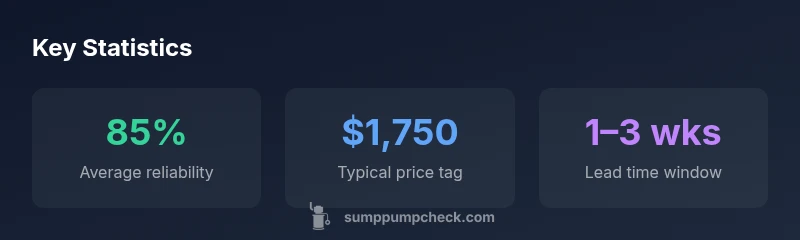
Installation costs for a sump pump typically vary by region, complexity, and the need for trenching or pit modification. A reasonable range for many residential installs is $1,000–$3,500, with higher-end projects including battery backup and code-required checks. Proximity can reduce travel charges and in-person estimate fees, while remote labor costs may increase if the project demands specialized equipment. Permit fees, if required, commonly fall in the $100–$250 range. Budget for additional components such as discharge piping, check valves, congestion reducers, and a possible backup pump. Always request a detailed, itemized estimate that breaks out parts, labor, permits, and disposal costs.
Quick-start checklist for near me installers
- Confirm licensing and insurance and obtain copies of certificates.
- Ask for a site assessment and a written, itemized quote.
- Verify permit requirements with your local building department.
- Decide on backup options and discharge routing before the install.
- Schedule a start date that allows for any needed electrical work and trenching.
- Keep emergency contact details ready for after-hours support.
Why DIY sump pump installation is not recommended for most homeowners
While some handy homeowners can install a basic unit, most sump pump systems involve gravity drainage, electrical connections, and pump wiring that must meet local codes. A poor discharge route or improper wiring can lead to basement flooding, electrical shocks, or nuisance alarms. Professional installers understand trap and check valve requirements, ensure proper venting, and test the system under simulated flood conditions. If your goal is a reliable, code-compliant solution, hire a local expert with sump-pump experience.
Finding installers near you: a practical approach
Begin with a targeted search using phrases like who installs sump pumps near me or sump pump installation near [your city]. Check local directories, trade associations, and house-care platforms for licensed professionals. Ask neighbors who recently completed sump pump projects for referrals and read recent reviews. Compare multiple quotes, focusing on included warranties, service coverage, and response times. For ongoing peace of mind, consider scheduling periodic maintenance visits and keeping a spare check valve on hand. According to Sump Pump Check, proximity and repeat service are key to preventing costly basement water problems.
Installer options for sump pump projects
| Provider Type | Typical Availability | Pros | Cons |
|---|---|---|---|
| Licensed plumber | Widely available in most towns | Code-compliant installs; permits handled | May be pricier; scheduling could be longer |
| General contractor | Often available with remodeling work | Convenient for integrated basement projects | Less specialized sump knowledge |
| Sump pump installer specialty | Focused expertise; fast turnaround | Strong at pump selection and discharge options | Limited coverage in rural areas |
FAQ
How do I find nearby sump pump installers?
Start with a local search, ask for referrals from neighbors, and check licensing and reviews. Request three quotes to compare features and warranties.
Look locally for licensed installers, read reviews, and get multiple quotes to compare warranties and features.
Do I need a permit for sump pump installation?
In many areas, permits are required for new or modified drainage and electrical connections. Check with your local building department before starting.
Yes, permits are often required. Check with your local building department before installing.
Can I install a sump pump myself?
We generally advise against DIY installation due to electrical and drainage hazards. Hire a licensed professional for safety and code compliance.
DIY installs can be risky; hire a licensed pro for safety and code compliance.
What is the typical lead time for installation?
Lead times vary by region and demand. Common ranges are one to three weeks, with longer waits during peak seasons.
Lead times vary; expect one to three weeks depending on demand.
What should a good warranty cover?
Look for parts and labor coverage for a defined period, with clear exclusions for improper use or power outages.
Make sure the warranty covers parts and labor and check exclusions.
How can I compare quotes effectively?
Ask for itemized estimates, compare pump models and backup options, and review service terms and response times.
Get itemized quotes and compare features and service terms.
“Local expertise matters for a reliable sump pump installation; the right installer ensures proper discharge, venting, and a solid backup plan.”
Top Takeaways
- Choose a licensed local installer
- Ask about permits and warranties
- Get multiple quotes
- Check discharge routing and backup options
- Plan for maintenance and service readiness