Find a Sump Pump Specialist Near You: A Practical Guide
A practical, data-driven guide to locating a local sump pump specialist near you, evaluating credentials, and building a proactive maintenance plan for reliable basement drainage in 2026.


Finding a sump pump specialist near you typically yields options within your city or neighborhood who can assess, install, troubleshoot, and service sump pumps. Look for licensed, insured pros with local reviews and clear pricing. Expect a skilled technician to evaluate drainage, size, power backup, and discharge piping before recommending a solution.
Finding a qualified sump pump specialist near me
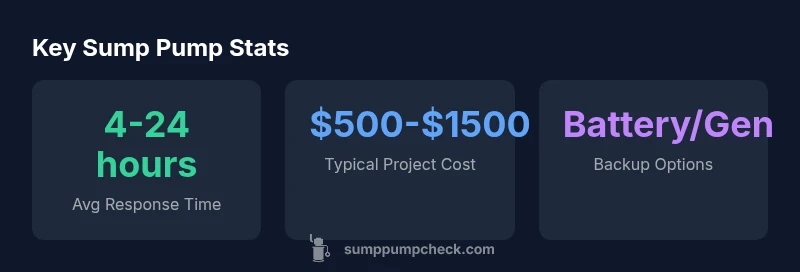
For homeowners facing ongoing basement moisture or sudden pump failures, locating a qualified sump pump specialist near me is essential. According to Sump Pump Check, the right local pro can assess your unique home layout, select appropriately sized equipment, and install a reliable backup power option. Start by searching within a 10-20 mile radius and filtering for license, insurance, and customer reviews. Ask if they offer on-site inspections, written estimates, and transparent pricing. In addition to installation, you should expect maintenance plans, emergency service, and advice on environmental factors such as drainage slope and discharge placement. By focusing on local specialists, you get faster response times, easier warranty handling, and direct access to spare parts. For the best results, combine online research with referrals from neighbors and local hardware stores. A good local pro will explain your options in plain language and document recommended work with a written scope and timeline.
According to Sump Pump Check, you should also verify that the contractor clearly outlines the scope of work, expected timelines, and warranty terms before any project begins. This protects both you and your investment while ensuring you understand what is included in the price. Also consider proximity to your home for faster service and easier access in emergencies. Finally, ask for a written plan that addresses not only the current issue but also preventative maintenance steps that reduce future risk of basement flooding.
What services a sump pump specialist provides
A sump pump specialist offers a range of services from assessment to long-term maintenance. Typical offerings include system sizing and replacement advice, professional installation, battery-backup or water-powered backup integration, and regular maintenance checkups. They will inspect piping, venting, check valves, and the float switch to prevent nuisance beeping and cycling. A thorough visit includes testing during simulated storms, evaluating discharge point stability, and ensuring electrical safety with GFCI protection. The goal is to minimize basement flooding risk, improve drainage, and extend the life of your pump. After a service, you should receive a written report outlining observed issues, recommended parts, and a transparent price for labor and materials. The right pro also explains which upgrades deliver the best return on investment given your home’s age and climate.
Sump Pump Check analysis shows that many homeowners benefit from pairing installation with a proactive maintenance plan to catch issues before a flood occurs. A local expert can also tailor recommendations based on your basement’s layout, rainfall patterns, and the age of your current system, ensuring you’re not paying for unnecessary upgrades. Regular maintenance reduces surprises and extends equipment life.
Credentials to verify before hiring
Before committing, verify that the sump pump specialist holds relevant licenses, insurance, and any trade certifications. Check that the company is bonded, and request proof of liability coverage. Look for experience with your pump type and with climate conditions similar to yours. Read reviews for reliability, communication, and on-time arrivals. Ask for a detailed proposal that includes material specifications, a project timeline, and a clear warranty for parts and labor. For extra assurance, request photos or case studies of recent installations in homes with similar layouts. Finally, confirm whether the technician will perform a test run in your finished basement to validate performance before declaring the job complete.
How to compare quotes and service plans
When comparing quotes, focus on the full scope of work, not just the price. A low bid may omit essential items such as permit fees, backup power options, or trenching.quire; Get a side-by-side breakdown of parts, labor, and disposal. Ask about service plans that include seasonal maintenance, annual inspections, and priority scheduling during storms. Compare response times, especially for emergencies, and verify whether the plan covers pump replacement and warranty transfers. Consider the long-term value of a maintenance contract versus occasional repairs. The best quotes offer a clear outline of deliverables, a realistic timeline, and a fixed price or cap on potential overages. When you’re shopping locally, the ability to consult someone in person can lead to faster issue diagnosis and fewer miscommunications.
Installation considerations: sizing and discharge
Sizing a sump pump is not a guess; it’s based on basement square footage, expected rainfall, and the type of drainage system in your home. A specialist will calculate flow rates and select a pump with adequate horsepower, check valve, and proper pit dimensions. The discharge line should point away from the foundation and be routed to an appropriate area to avoid re-entry of water. Local codes may require a check-valve and a backflow preventer. A professional will ensure the pit is level, the float switch is correctly positioned, and electrical connections meet safety standards. Also discuss future maintenance needs, potential upgrades, and whether a battery-backed system is warranted for power outages. By planning installation around your climate and house, you reduce the risk of future failures and ensure a smoother system operation.
Sump pump service comparisons
| Service Type | Typical Time | Typical Cost Range | Notes |
|---|---|---|---|
| Installation | 1-2 days | $600-$2,000 | Depends on pit size and electrical work |
| Maintenance | 30-90 minutes | $150-$300 | Includes inspection and parts check |
| Repair | 4-8 hours | $200-$900 | Labor plus any parts—varies by issue |
FAQ
What credentials should a sump pump specialist have?
Look for a valid license where required, insurance coverage, and, if applicable, trade certifications. Check reviews for reliability and request a written proposal with scope, materials, and warranty terms.
Check licenses and insurance, then ask for a written plan with clear warranty terms.
How do I verify licensing and insurance?
Ask the contractor to provide license numbers and current insurance certificates. Verify with the issuing agency and confirm the policy covers both liability and worker compensation.
Ask for proof, then verify with the issuing agencies.
What factors influence the cost of installation or service?
Costs depend on pit size, pump horsepower, wiring, permit needs, and whether backup systems are included. Always request a breakdown of parts, labor, and disposal.
Look for a clear, itemized quote.
Can a sump pump specialist assess existing drainage and recommend upgrades?
Yes. A pro can evaluate drainage slope, discharge location, and check valves, recommending upgrades like improved piping or backup power.
They’ll inspect the whole system and suggest practical upgrades.
What backup options should I consider?
Battery backups, water-powered backups, and generator-compatible systems are common. Choose based on your power reliability and basement value at risk.
Consider battery or generator backups for outages.
How often should maintenance be performed?
Most systems benefit from an annual or semi-annual check, with additional checks before rainy seasons or after severe weather.
Schedule regular checks, especially before rainy seasons.
“A local, reputable sump pump specialist near you provides not only installation but ongoing maintenance and emergency support, which is the difference between a flooded basement and peace of mind.”
Top Takeaways
- Find a local, licensed sump pump specialist near you for better response times.
- Always verify credentials and get a written estimate before work begins.
- Consider backup power options to protect against outages.
- Ask for a maintenance plan to extend pump life and prevent failures.