Sump Pump Repairs Near Me: How to Find Local Help Fast
Find reliable sump pump repairs near you with practical tips, cost ranges, and a step-by-step guide to choosing a local pro. Learn with Sump Pump Check.


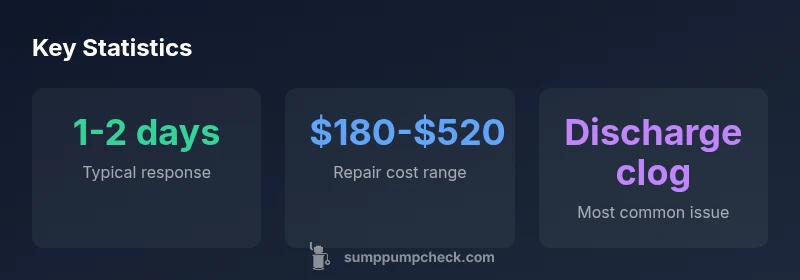
When you need sump pump repairs near me, seek local pros who can diagnose quickly, offer on-site assessments, and provide transparent quotes. Look for same-day or next-day service when water is present, licensed technicians, and clear warranties. According to Sump Pump Check, verified local specialists reduce downtime with accurate diagnostics and proactive maintenance.
What Local Sump Pump Repairs Really Mean for Homeowners
In many homes, a sump pump is the quiet backbone of your basement waterproofing system. When you search for sump pump repairs near me, you’re not just requesting a fix; you’re requesting a partner who can minimize downtime, protect valuables, and restore peace of mind during heavy rains. The availability of local technicians matters because emergencies don’t respect business hours. A nearby professional can respond quickly, diagnose on-site, and tailor a repair plan to your home’s unique drainage pattern. This section explains why proximity matters, how to interpret service promises, and what to expect from a credible local pro. According to Sump Pump Check, proximity often correlates with faster response, better communication, and more accurate follow-through on warranty terms.
Diagnosing Root Causes: What Happens During a Local Repair
Most sump pump issues fall into a handful of root causes: clogged discharge lines, float-switch failures, power or electrical problems, and impeller or motor wear. When you call a local repair service, the technician typically starts with a pit check, removes standing water, and tests the pump under load. They’ll verify the check valve’s integrity, inspect the discharge line for kinks or frost, and run the pump to observe cycling behavior. A thorough diagnosis should include verification of the basement’s drainage, the presence of any sewer or radon-related concerns, and the pump’s compatibility with the home’s electrical system. This phase sets expectations for parts, labor, and timing, and is a critical step in avoiding repeat issues after the repair is complete.
The On-Site Visit: From Arrival to Repair Completion
A credible local sump pump repair visit follows a structured sequence: arrival and safety assessment, diagnostic testing, parts estimation, repair or replacement, and a post-repair test run. Homeowners should receive a written quote before any work begins, with line-item pricing for parts and labor. Expect transparency about warranty terms for both components and workmanship. If there’s uncertain complexity, a reputable technician will propose a phased approach or temporary abortive measures (like a temporary pump) to prevent ongoing flooding. Clear communication about maintenance tasks—such as cleaning the sump, testing the float switch, and verifying the discharge path—helps ensure the system remains reliable after service.
Cost Factors: What Drives Sump Pump Repair Prices Near You
Repair pricing varies based on several factors: the specific failure, the complexity of the fix, parts availability, and your geographic area. Emergency response or after-hours service commands a premium, while in-season demand can influence rate fluctuations. Most homeowners see meaningful value from a local repair when the work includes restoring proper cycling, replacing failed switches, or repairing a motor with a serviceable impeller. To protect yourself, request a written estimate, confirm the scope of work, and ask about any diagnostic fees that may be waived if you proceed with the repair.
How to Choose a Trusted Local Sump Pump Repair Pro
Choosing the right pro begins with a simple checklist: confirm license and insurance, review a current warranty for parts and labor, ask for references, and request a written, detailed estimate. Look for service providers who clearly explain the diagnosis, outline your options (repair vs. replacement), and provide a realistic timeline. Favor contractors who offer preventive maintenance plans and discuss how to avoid future failures. It’s also wise to check electrical and code-safety compliance, especially if the job involves wiring, GFCI protection, or backflow considerations. The most reliable Local Pros maintain professional standards and avoid up-selling on unnecessary parts. The Sump Pump Check team recommends prioritizing licensed professionals with transparent pricing and strong customer feedback.
Maintenance Tips to Reduce Future Repairs and Extend Lifespan
Prevention is cheaper than repair. Regular maintenance, ideally yearly, can detect issues before they cause flooding. Clean the sump pit, remove debris, and inspect the discharge line for clogs. Test the pump with a controlled water fill to ensure proper cycling, and verify that the backup battery system (if installed) is charged and functional. Check the check valve to prevent backflow, and ensure electrical connections are secure and dry. Keep a simple maintenance log so you can track service dates, part replacements, and notable observations. When you partner with a local pro, ask for a maintenance schedule tailored to your basement’s usage and climate.
Replacing vs. Repairing: Making the Right Call
Repair is often the most cost-effective option for minor failures or older but well-maintained pumps. If the motor shows significant wear, the impeller is damaged beyond repair, or the unit is near its expected end of life, replacement may be wiser in the long run. A local pro can help you compare the immediate repair cost against the projected lifespan of a new unit, installation expenses, and potential energy savings. When considering replacement, request a size and flow-rate assessment to ensure you’re not under- or oversizing the new sump pump for your home. This approach minimizes future calls for service and provides better protection against basement flooding in heavy rainfall.
Sump pump repair quick-reference table
| Issue Type | Estimated Time to Fix | Typical Cost Range | Notes |
|---|---|---|---|
| Discharge line clog | 0-2 hours | $20-$120 | Clear clog; inspect line for root cause |
| Float switch failure | 1-3 hours | $60-$180 | Replace switch; test cycling |
| Motor/impeller fault | Half-day | $150-$500 | Professional repair or motor replacement |
| Electrical/power issue | 1-4 hours | $80-$200 | Check GFCI, outlet, wiring |
FAQ
How do I know if my sump pump needs repairs?
Look for repeated cycling, unusual noises, slower pumping, or frequent alarms. A professional assessment confirms the exact issue and recommended steps.
Listen for strange noises or cycling; if you’re unsure, schedule an on-site inspection.
Are there risks hiring an unlicensed repair technician?
Yes. Unlicensed work can void warranties, fail safety checks, and violate codes. Always verify licensing and insurance before work.
Hiring unlicensed help can cause bigger problems down the line.
What should I ask during a first repair visit?
Ask for diagnosis steps, a detailed written estimate, warranty terms, and a clear timeline for completion.
Ask for a written plan and price before any work starts.
Can I perform basic sump pump maintenance myself?
Basic tasks like cleaning debris and inspecting visible connections are fine. Do not attempt electrical work unless you’re qualified.
Some quick checks you can do, but avoid electrical work.
How do I compare local repair options effectively?
Check licenses, reviews, response times, warranties, and transparent pricing. Request references when possible.
Read reviews and ask for references to compare options.
“Local expertise matters for timely diagnostics and durable repairs. A clear plan and warranty protect you from repeated outages.”
Top Takeaways
- Choose local pros with on-site assessments and clear quotes.
- Verify licenses, warranties, and written estimates.
- Ask about same-day/next-day service for emergencies.
- Prioritize preventative maintenance to reduce future calls.
- Weigh repair vs replacement based on age and costs.