How to Install a Sump Pump Discharge Line
Comprehensive, code-compliant guide to installing a sump pump discharge line: planning, materials, step-by-step actions, safety checks, and troubleshooting for homeowners.


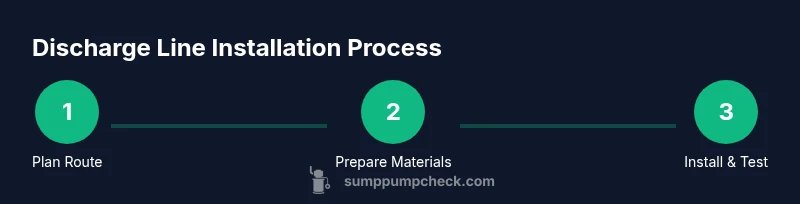
Plan a clean discharge route to the outside, choose the right pipe, and fit a backflow preventer if required. Follow local codes, maintain a proper slope away from the foundation, and secure all joints. This guide outlines a code-conscious, step-by-step approach to installing a sump pump discharge line safely and effectively.
Why a Proper Sump Pump Discharge Line Matters
Installing a sump pump discharge line isn't just about moving water away from your basement; it's about protecting your home from water damage, mold, and expensive emergency calls. A correct discharge line prevents backflow into the sump basin and ensures water exits far enough from the foundation to avoid undermining soil and crack growth. According to Sump Pump Check, a well-planned discharge path reduces backups during heavy rainfall and helps the pump run more efficiently by minimizing air leaks and suction loss. Start by identifying a legal exit point and verifying local codes for pipe size, slope, and drainage safeguards; many jurisdictions require a dedicated line, not a shared sanitary drain. Consider using a dedicated drainage line that avoids tie-ins to interior plumbing. If your system lacks an exterior outlet, you may need a through-wall entry or trenching with a protective sleeve; always follow code, protect against freezing, and secure joints to prevent leaks. This section sets the foundation for a safe, durable installation.
Planning and Code Considerations
Before touching tools, map your route and check code requirements. Local codes often specify pipe diameter, slope, backflow prevention, and discharge location. A typical guideline is 1/8 to 1/4 inch of slope per foot of run to keep water moving and avoid puddling. If you live in freeze-prone areas, consider burying discharge lines below the frost line with a proper exterior vent to prevent freezing. Many homeowners overlook the need for a check valve to prevent backflow into the sump pump when pressure changes or if another outlet is used. Always verify with your municipal building department if a permit is required; keep documentation for future maintenance. Your plan should also take into account ground slope, how water will exit your yard, and any obstacles like driveways or landscape borders. The goal is a robust, code-compliant discharge path that won’t clog or freeze and will perform during the worst storms.
Layout Options and Environmental Considerations
A discharge line can run vertically through a rim or wall, or horizontally along a basement wall before exiting to a yard, storm drain, or dry well. Exterior paths should avoid foot traffic areas and foundations, with a clear path to grade that directs water away at least several feet from the building. If your yard slopes toward the house, you may need a small trench or a surface channel to guide water away. In colder climates, protect exposed piping with insulation and use frost-proof exits to reduce the risk of freezing. Always inspect the site for buried utilities before digging and call your utility company if you’re unsure. A well-planned run minimizes freezing risk, prevents backflow, and reduces the chance of leaks around fittings.
Tools, Materials, and Preparation
Gather materials and tools before starting to keep the project efficient. Measure the pump outlet to determine pipe diameter and length, collect fittings for turns and transitions, and plan for a check valve if required by code. Dry-fit the components to verify alignment and length, then cut sections and deburr edges for a clean seal. Prepare a clean work area, protect flooring, and have a bucket and rags ready for minor spills. Confirm the discharge exit point from the wall and exterior, ensuring that the final outlet slopes downward away from the foundation with a recommended slope of 1/8 to 1/4 inch per foot. Finally, review safety steps and local codes one more time before making permanent connections.
Tools & Materials
- PVC discharge pipe (1-1/2" to 2" diameter)(Choose size to fit pump outlet; ensure straight runs where possible)
- PVC elbows and couplings(For turns and section joins; avoid long flexible runs)
- Backflow preventer / check valve(May be required by local codes to prevent backflow)
- PVC cement and primer(Use solvent cement per manufacturer instructions)
- Teflon tape(Seal threaded connections if you use any threaded fittings)
- Hose bib or exterior discharge outlet(Directs water away from foundation; add splash guard if needed)
- Silicone sealant(Seal penetrations where piping enters exterior wall)
- Gloves and eye protection(Personal safety gear for cutting and glue work)
- Shovel or trenching tool(Only if you plan to bury sections to below grade)
Steps
Estimated time: 60-90 minutes
- 1
Assess pump outlet and plan route
Inspect the sump pump outlet and determine where water will exit the house. Map a route that avoids sanitary lines and utility trenches, and consider the shortest, most direct path that still clears the foundation. Visualize the path with chalk lines or tape to confirm clean alignment.
Tip: Draft a rough sketch with measurements to avoid mid-project redesigns. - 2
Check local codes and obtain permits if needed
Research local plumbing codes for discharge pipe size, slope, and backflow protection. If a permit is required, submit plans and schedule inspections to avoid code violations. Save photos and notes for future maintenance or repairs.
Tip: Call the city or county building department to verify permit requirements before cutting into walls. - 3
Measure and cut pipe segments
Measure the planned run and cut PVC segments using a miter saw or PVC cutter. Deburr the inner edges for a smooth joint, and dry-fit pieces before gluing. Line up sections so joints are accessible for future maintenance.
Tip: Wear eye protection; small PVC shards can cause injury during cutting. - 4
Assemble fittings with primer and cement
Apply primer to the pipe ends and fittings, then apply solvent cement. Connect sections firmly and hold for a few seconds to ensure a proper seal. Avoid twisting fittings after joining, which can loosen joints over time.
Tip: Work in a well-ventilated area and follow the cement manufacturer’s cure times. - 5
Install a check valve where required
Position the check valve in the discharge line in the correct orientation to prevent backflow toward the sump pump. Secure with clamps or solvent cement as needed. Ensure the valve moves freely and seals when closed.
Tip: If doubt exists about flow direction, test with water before finalizing the wall penetration. - 6
Create exterior exit and keep slope
Drill or cut an exit point through the exterior wall, or route to a protected outlet surface. Ensure the pipe slopes downward away from the foundation at 1/8–1/4 inch per foot. Install a discharge spout and splash guard to prevent soil erosion near the foundation.
Tip: Seal exterior penetrations with silicone to prevent water intrusion and pests. - 7
Secure and protect the run
Secure the pipe along walls or basement joists using clamps. If burying, lay below the frost line and insulate exposed sections to prevent freezing. Avoid kinks or sharp bends that reduce flow.
Tip: Keep sections accessible for future maintenance and easier cleaning. - 8
Test the discharge line
Plug the discharge outlet and power the sump pump to run a test flow. Look for leaks at joints and verify the water exits away from the foundation. Check that the water flow remains consistent during a simulated high-water event.
Tip: Have a bucket handy to catch any misdirected water during the test. - 9
Final checks and adjustments
Inspect all penetrations, re-seal any gaps, and re-tighten clamps. Confirm that the discharge line remains clear of debris and that the exterior outlet remains unobstructed. Document permit numbers and maintenance schedules for future reference.
Tip: Record a maintenance reminder for annual inspections.
FAQ
Do I need a check valve on my sump pump discharge line?
Many codes require a check valve to prevent backflow into the sump pump when water pressure changes or when water is discharged from another outlet. Check your local code and install as directed.
In most areas, a check valve is required to prevent backflow into the pump; always follow local codes.
What diameter pipe should I use for the discharge line?
Common discharge pipe sizes range from 1-1/2 inches to 2 inches, depending on your sump outlet and run length. Choose a size that matches your pump outlet and provides unobstructed flow.
Usually 1-1/2 to 2 inches, sized to fit your pump and run.
Can I discharge water into a storm drain or yard?
Discharging into a storm drain or into landscaped areas may be restricted by local ordinance. Direct it away from the foundation and follow local guidelines for outdoor drainage.
Follow local rules and direct water away from the foundation.
How high should the discharge outlet be above grade?
The discharge outlet should be positioned to prevent backflow and avoid ice buildup, typically above grade with a small clearance. Check local codes for minimum height requirements.
Keep it above grade with enough clearance to prevent backflow and freezing.
Are permits required for discharge line installation?
Permit requirements vary by jurisdiction. Contact your local building department to determine whether a permit is needed for discharge line work.
Permits depend on where you live; check with your local building department.
What safety precautions should I take?
Wear gloves and eye protection when cutting and gluing PVC. Work in a well-ventilated area and keep kids and pets away from the work zone.
Wear safety gear and ensure kids and pets stay away from the area.
Watch Video
Top Takeaways
- Plan the route and check codes before cutting.
- Use proper pipe size and slope for efficient drainage.
- Install a backflow preventer if required by code.
- Seal penetrations to protect against leaks and pests.
- Test the system thoroughly and document maintenance.