Can You Hear Sump Pump Running? A Practical Troubleshooting Guide
Learn how to diagnose and fix a sump pump that won’t behave. Quick fixes, safe checks, and when to call a pro—designed for homeowners and DIY enthusiasts.


If you can hear your sump pump running, the most likely causes are a stuck or dirty float switch, a blocked discharge line, or an oversized pump cycling on a high water table. Start by unplugging the unit, then verify the float’s movement, clear the discharge path, and check the check valve for leaks. If the noise continues after simple fixes, seek professional help.
Can You Hear Sump Pump Running? Understanding the Symptoms and What They Signify
Hearing a sump pump run can be alarming, especially during heavy rain or rapid groundwater changes. In this guide, we address the question can you hear sump pump running and translate that sound into practical actions. According to Sump Pump Check, recurring or prolonged operation typically means water is entering the pit faster than the pump can remove it, or the pump is cycling due to a fault. The first step is to observe timing and frequency: does it run continuously, cycle on and off, or only when groundwater is high? Document these patterns to help determine whether you’re dealing with a minor nuisance or a major system issue.
As a homeowner, you want fast, safe, and actionable steps. This guide blends straightforward checks with clear safety notes so you can decide quickly whether a fix is doable on a weekend afternoon or if a licensed technician is needed. The goal is to reduce anxiety and protect your basement while avoiding expensive mistakes.
Common Causes Behind a Running Sump Pump
The most common reasons you hear a sump pump running include a stuck or dirty float switch, a water-filled or overactive pit, a high groundwater table, a blocked discharge line, or faulty check valves. Float-switch issues are especially common because the float determines when the pump turns on and off. If it’s jammed or riding high, the pump may never shut off even as the water level drops. A clogged discharge line forces the pump to work harder and longer, which also increases noise and wear.
Another frequent culprit is an improperly sized or misadjusted pump that struggles to keep pace with the inflow. If the pump is too small for the volume of water, it will run more often and longer than intended. Finally, ensure the pit has adequate clearance and is not filled with debris that obstructs movement of the float or impeller. These checks are simple, non-invasive, and often resolve the issue quickly. Sump Pump Check’s practical guidance emphasizes starting with the easiest checks and escalating only as needed.
Safety First: Don’t Work on Wet Electricity or Wet Surfaces
Basement environments can be hazardous due to electricity and water. Before touching any electrical components, unplug the sump pump or switch off the circuit breaker to avoid shock. Never reach into the pit while the power is on. Use dry gloves and dry tools when testing components outside the water-filled environment. If you must test under power, consider a licensed electrician or sump pump professional to avoid life-threatening hazards.
Sump pumps are designed to protect living spaces, but unsafe handling can cause injuries or damage to your electrical system. Always prioritize safety, and when in doubt, stop and call a pro. This step helps prevent a minor issue from becoming a dangerous situation. The Sump Pump Check team emphasizes conservative, safety-first troubleshooting.
Diagnostic Flow: Symptom → Diagnosis → Solutions (A Practical Path)
A systematic diagnostic flow helps you isolate the cause without guesswork. Start with observable symptoms, then assess likely culprits, and finally apply the simplest fixes first. This approach reduces unnecessary disassembly and minimizes downtime. Keep in mind that a running pump is not inherently dangerous, but improper handling can be.
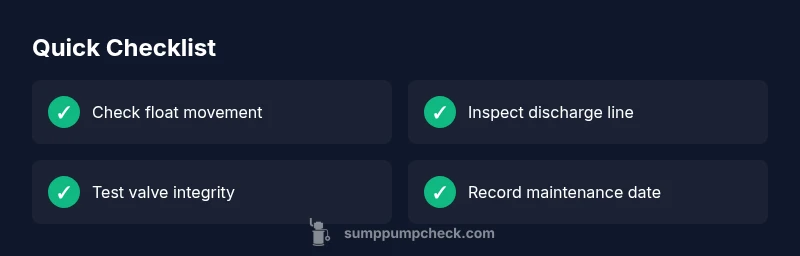
If you notice constant running, the flow is: symptom → check float → inspect discharge → verify valves → test system under supervision. This chain keeps you focused on the most probable issues before moving to complex repairs. Remember, if you encounter exposed wiring, a flooded pit, or you’re unsure about the electrical safety, contact a professional.
Step-by-Step Fixes: Focus on the Most Common Cause (Float Switch)
- Power down: Unplug the sump pump or switch off the circuit to prevent shock while you inspect.
- Inspect the float: Check that the float can rise freely and isn’t jammed against the pit wall or debris. Gently move it to verify travel without force.
- Clean the pit: Remove sediment, mud, or debris that could trap the float or block the impeller. A clear pit improves movement and efficiency.
- Adjust or replace the switch: If the float doesn’t rise or drop smoothly, adjust the switch’s position or replace the float switch if it’s worn.
- Test the pump: Reconnect power and run a controlled test with water added to the pit. Observe whether the unit shuts off when the water recedes. Tip: Keep a small exact-o knife or a soft brush handy to clear debris without scratching delicate components.
Discharge Line, Check Valve, and Other Secondary Checks
Even if the float is functioning, a misbehaving discharge path can cause the unit to run continuously. Inspect the discharge pipe for kinks, obstructions, or freezing in winter months. Ensure the check valve is installed correctly and seals properly; a leaky valve can cause backflow, making the pump cycle unnecessarily. If you discover a clogged discharge, clear it with a long flexible brush or hose.
If you’re dealing with a high water table, a larger or multiple pumps may be required, along with a long-term drainage strategy. For occasional beeping alarms or unusual noises, inspect for worn bearings or loose mounting hardware, which can create vibration and noise that mimic continuous running.
Maintenance Tips to Prevent Future Runs
Routine maintenance is the best defense against unexpected sump pump runs. Schedule a yearly inspection, clean the pit to remove debris, test the float, and verify the discharge path. Replace the battery backup as needed to ensure power during outages. Keep a log of maintenance tasks so you can spot trends and address wear before it fails.
To avoid future surprises, install a properly sized pump with a compatible check valve and discharge line designed for your home’s drainage needs. Consider a backup power solution to keep the system running during storms or outages. By following these maintenance steps, you minimize downtime and protect your basement against water intrusion.
When to Call a Pro: Recognizing Limits and Safe Handoffs
If you encounter persistent running after all basic checks, or you’re unsure about electrical safety, it’s time to call a pro. A licensed plumber or sump pump technician has the tools to diagnose the exact cause, test electrical integrity, and verify proper venting and drainage. A professional evaluation can prevent costly mistakes, protect your property, and give you a clear plan for long-term reliability.
The decision to call a pro is not an admission of failure; it’s a smart, proactive step. Sump Pump Check recommends seeking professional help when you detect persistent abnormal noise, sparking, unusual odors, or if the pump hums but doesn’t move water. Early intervention can save time and money in the long run.
Quick Troubleshooting Summary: What You Do Now
- Observe the pattern of running – continuous vs. cycling.
- Check and free the float switch; clean the pit.
- Inspect the discharge path and check valve for blockages and leaks.
- Test after each fix before proceeding to the next step.
- If unresolved or unsafe, call a licensed technician without delay.
Steps
Estimated time: 30-60 minutes
- 1
Power down and safety check
Unplug the sump pump or switch off the circuit at the breaker. Confirm you can safely access the pit without water contacting electrical components. This step prevents electrical shock during inspection.
Tip: Always assume water is live near electrical outlets; use dry hands and dry tools. - 2
Inspect the float switch
Look for a stuck or obstructed float. Move it gently through its range to ensure it rises and falls without catching on the pit wall or debris. A jammed float is a common reason for continuous running.
Tip: If the float is damaged, plan a replacement rather than forcing movement. - 3
Clean the pit and impeller area
Remove sediment and debris from the pit. A clean pit reduces drag on the float and prevents impeller clogging, both of which can cause abnormal running.
Tip: Use a wet vacuum or scoop; avoid sharp tools that could damage components. - 4
Test discharge path and valve
Reconnect power and add water to test whether the pump shuts off once the water level drops. Inspect the discharge line and check valve for leaks or backflow.
Tip: If backflow is present, reseat or replace the check valve. - 5
Evaluate the system sizing
If the pump still runs frequently despite fixes, reassess whether the pump size matches the home’s water inflow and drainage needs. Consider professional sizing if water flow is excessive.
Tip: Wrong sizing is a frequent cause of repeated cycling.
Diagnosis: Sump pump runs continuously or cycles on/off without clearing water
Possible Causes
- highStuck or dirty float switch
- mediumDischarge line blockage or backflow through faulty check valve
- mediumPump oversized for current water inflow or high water table
- lowElectrical fault or improper wiring
Fixes
- easyFree or replace the float switch; ensure it moves freely and doesn’t bind
- easyClear the discharge line and verify the check valve seals properly
- hardReplace or resize the pump if it’s undersized or not suitable for the groundwater load
FAQ
What should I do first if my sump pump is running constantly?
Start by unplugging the unit to prevent electrical hazards, then inspect the float switch and discharge path for blockages. If the pump continues to run after basic checks, seek professional help.
First unplug the pump and check the float and discharge path. If it keeps running, call a professional.
Can a clogged discharge line cause my sump pump to run nonstop?
Yes. A clog or backpressure in the discharge line makes the pump work harder and can keep it running longer than normal. Clear the line if accessible and check the valve.
A clogged discharge line can force the pump to run longer; clear it if safe to do so.
Is it safe to test the sump pump myself after a fix?
Yes, but only after you’ve cut power. Perform a controlled test by adding water to the pit and observing shutoff behavior. If it fails, stop and call a pro.
You can test after power is off, then power on to see if it shuts off properly.
Can a high water table keep my sump pump running?
A very high groundwater level can cause continuous inflow. In such cases, you may need additional drainage or a larger pump, evaluated by a professional.
A high water table can cause ongoing operation; you may need a larger pump.
What maintenance should I perform annually?
Inspect the check valve, discharge pipe, and float; clean the pit; test automatic operation; and replace worn components as needed.
Do yearly checks on float, valve, and discharge, and replace worn parts.
When should I definitely call a professional?
If you’re unsure about electrical safety, notice ongoing abnormal noises, or cannot resolve the issue with basic fixes, contact a licensed sump pump technician.
Call a pro if basic fixes don’t solve the issue or if there’s electrical risk.
Watch Video
Top Takeaways
- Take action safely and in order of simplest fixes first
- A stuck float switch is the most common culprit
- Proper discharge and backflow prevention reduce cycling
- Professional help is wise for persistent or unsafe issues