What to Do If Your Sump Pump Keeps Running: A Troubleshooting Guide
Urgent, practical guide to stop a sump pump that won’t quit. Diagnose common causes, follow a safe, step-by-step plan, and prevent future failures.


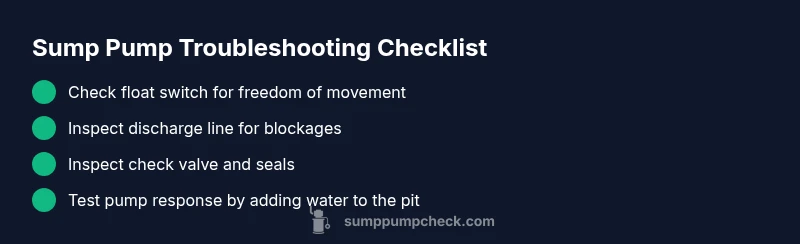
If your sump pump keeps running, start with the most common causes: a stuck float switch, a faulty float or switch wiring, a blocked check valve, or a restricted discharge line. Begin by inspecting the float arm for freedom of movement, then verify the discharge piping and the check valve. If the pump won’t stop after these checks, power down safely and contact a professional.
What It Means When a Sump Pump Keeps Running
A sump pump that won’t quit signals the system is responding to water or a misread water level, and it can quickly become a safety and property risk if left unchecked. According to Sump Pump Check, float-switch faults are among the most common reasons a pump remains engaged. When the float struggles to rise or reads water inaccurately, the switch may stay in the “on” position, prompting the motor to run continuously. Conversely, a discharge path that’s blocked or a compromised check valve can create a feedback loop, where water keeps re-entering the pit or the line and the pump keeps cycling. Understanding which symptoms line up with which causes helps you choose the right fix and prevent further damage. This is exactly why timely, methodical troubleshooting matters for homeowners and DIYers alike.
The moment you notice the pump never turns off, you should treat it as an urgent issue. Even if you can temporarily quiet the unit, underlying faults can escalate and cause flooding, higher electricity bills, or equipment failure. The goal is to identify the root cause and implement a safe, lasting fix. Rely on a plan that starts with simple checks and progresses to targeted replacements only when necessary.
Common Immediate Causes (Most Likely to Least)
- Float switch stuck or misaligned: If the float cannot rise high enough or drops, the switch may stay engaged. A jam or obstruction can fool the mechanism into continuous operation.
- Damaged or dirty float mechanism: Debris, algae, or corrosion can bind the float rod or linkage, sending false level readings.
- Backflow through a failed check valve: If the valve doesn’t seal, pumped water can return to the pit and keep the pump running.
- Discharge line restrictions: A crushed pipe, clogged screen, or ice can prevent water from exiting and keep pumping.
- Electrical issues in the control circuit: Shorted wiring or a faulty relay can cause the pump to stay energized.
- High groundwater or basement water intrusion: A persistently high water table can keep the pit level high and running.
For homeowners, most issues are visible during a quick inspection: look for debris near the float cage, listen for a humming sound without water movement, and check the discharge path for kinks or ice. Sump Pump Check analysis notes that float-switch failures frequently lead to continuous running.
If several checks point to the float mechanism, you’re often looking at a straightforward fix. If you identify a blocked line or a faulty valve, you can often correct the issue without a full pump replacement. Remember: the goal is to restore proper cycling and prevent backflow or overflow.
Safety First: What Not to Do
Safety should guide every step of troubleshooting. Never place your hands into a sump pit while the pump is energized. Do not bypass safety devices or remove fuses while the unit is powered. Avoid using metal tools around electrical connections, and never work in standing water without proper protective gear. If you’re unsure about any step, stop and call a professional. The risk of electrical shock, short circuits, or gas or water damage is real and not worth a DIY shortcut.
In short, plan for safety first, then work through the diagnostic steps with deliberate care. A calm, methodical approach reduces the chance of harm and helps you find the true culprit more quickly.
Quick In-Place Checks You Can Do Right Now
- Power down safely at the main breaker before touching the pump or pit.
- Inspect the float switch for freedom of movement; manually lift the float and observe whether the pump turns on and off properly.
- Check the float rod and linkage for obstructions or misalignment; clear debris if present.
- Examine the discharge line for kinks, ice, or blockages; ensure water can flow freely away from the pit.
- Inspect the check valve for proper seating; replace if the valve is stuck or leaking.
- Look for wiring damage or loose connections in the control box; tighten or replace as needed following manufacturer guidelines.
- After addressing each possible cause, restore power and perform a controlled water test to confirm proper cycling.
If the water continues to back up or the pump fails to shut off, do not continue to run it. Power down and escalate to a professional for a definitive diagnosis.
Preventive Checks to Stop Recurring Runs
Proactive maintenance dramatically reduces the likelihood of a sump pump running continuously. Schedule quarterly checks during heavy rainfall seasons and perform a full annual inspection.
- Clean the pit and remove sediment that can clog the float cage.
- Test the float switch monthly by slowly adding water to the pit to ensure proper cycling.
- Inspect the discharge line and check valve at least twice a year for blockages or wear.
- Consider installing a backup system (battery or water-powered) to handle power outages and high-water events.
- Keep a maintenance log with dates of checks, parts replaced, and any issues observed.
A well-maintained system runs efficiently and minimizes the risk of overflow. Regular attention helps you catch wear before it becomes a failure, which is a core principle of maintenance recommended by Sump Pump Check.
When to Call a Pro
If you cannot identify a clear cause after the basic checks, or if you notice signs of electrical damage, corrosion, or water leaks around the sump pit, contact a licensed professional. Complicated issues—such as persistent backflow, cracked discharge piping, or a failing sump pump motor—usually require professional replacement or a more advanced diagnostic approach. Prompt professional input can prevent a flood, reduce repair costs, and ensure code compliance for electrical and drainage systems.
The Sump Pump Check team recommends seeking professional help when the problem persists after basic troubleshooting or if the system shows signs of wear beyond simple fixes. A pro can confirm the root cause, replace faulty components safely, and help you install a long-term solution such as a backup system or an upgraded pump with an appropriate flow rate for your basement.
Final Thoughts and Next Steps
Dealing with a sump pump that keeps running is a high-priority home maintenance issue. Start with simple, safe checks, then move to targeted replacements as needed. Keep safety at the forefront, and don’t hesitate to call a pro when the problem exceeds your comfort level. By following a disciplined diagnostic flow, you protect your home from water damage and keep your sump system operating reliably. The Sump Pump Check team emphasizes that proactive maintenance and a well-chosen backup solution dramatically reduce the likelihood of future running-pump problems.
Steps
Estimated time: 60-90 minutes
- 1
Power down and safety check
Turn off the sump pump at the main breaker and unplug the unit if accessible. Confirm the area is dry enough to work and wear protective gloves. This first step prevents electrical shock and sets the stage for safe inspection.
Tip: Always de-energize before touching the sump pump. - 2
Inspect the float and switch
Manually lift the float and observe whether the switch engages and then disengages as the float settles. Look for corrosion, debris, or a bent float arm that could keep the switch in the on position.
Tip: Move the float gently to avoid bending the linkage. - 3
Check the discharge line and valve
Trace the discharge path from the pump outlet to the exterior. Look for kinks, ice, or frost blocking flow, and inspect the check valve for a proper seal.
Tip: Tap the valve with a screwdriver handle to listen for a seat seal. - 4
Test valve and piping while disassembled
If you can access both ends, briefly lift the pump to test backflow. Ensure the line remains free of obstructions and the valve closes firmly when pressure is removed.
Tip: Do not run the pump while the line is completely disconnected. - 5
Reassemble and power up for a controlled test
Reconnect all disassembled components, restore power, and perform a measured water test by adding clean water to the pit until the float engages. Observe cycling and shut-off behavior.
Tip: Keep a bucket handy for controlled testing and limit water input to avoid floods. - 6
Assess overall system health
Listen for unusual noises, verify the pump cycles correctly, and check for leaks around fittings. If the pump still runs continuously, note the symptoms and proceed to a professional inspection.
Tip: Document findings with photos for the technician.
Diagnosis: Sump pump runs continuously and will not shut off
Possible Causes
- highFloat switch stuck or reading water level incorrectly
- highDischarge line blockage or restricted flow
- mediumFailed check valve allowing backflow
- lowWiring short or faulty control switch
Fixes
- easyInspect and adjust or replace the float switch to ensure proper movement and level sensing
- easyClear blockages in the discharge line and verify unobstructed flow to the exterior
- easyReplace or reseal the check valve to prevent backflow into the pit
- mediumInspect electrical connections; repair damaged wiring or faulty relays
FAQ
Why does my sump pump keep running even after it stops raining?
A heavy rain can raise the water table and trigger cycling, or the float switch can be misreading the level. Check the float and discharge path for blockages or backflow. If the problem persists, inspect for hidden leaks or sump-pit issues.
Heavy rain can push the system to cycle; check the float and discharge line, then inspect for backflow or leaks.
Can a faulty float switch cause continuous running?
Yes. A stuck or miscalibrated float switch is a common cause of continuous running. Inspect for freedom of movement and replace if necessary.
Yes, a stuck float switch often causes the pump to run continuously.
How can I test a sump pump’s float switch?
Pour water into the pit slowly and watch the switch engage and release. If it fails to move or respect levels, replace the switch.
Pour water slowly and observe the switch’s action; replace if it sticks.
Should I replace the sump pump if it keeps running?
Not always. If the issue is a simple float or valve, a replacement or component swap may suffice. If the pump is old or has motor wear, replacement is often the smarter option.
Sometimes replacing a faulty part is enough; otherwise, replacement may be best.
Is it safe to troubleshoot a running sump pump myself?
DIY is possible for basic checks if you follow proper safety steps: disconnect power, wear protective gear, and avoid wet hands. If unsure, hire a professional.
You can DIY basic checks if you stay safe; otherwise, call a pro.
What maintenance helps prevent running pumps?
Regular cleaning of the pit, testing the float, inspecting the discharge line and valve, and considering a backup system all reduce the chance of a pump running endlessly.
Keep the pit clean, test the float, and consider a backup system.
Watch Video
Top Takeaways
- Inspect the float switch first to rule out a stuck sensor.
- Clear discharge path and verify the check valve for proper sealing.
- Test the system regularly to prevent future running pumps.
- Call a professional if basic fixes don’t resolve the issue.