Zoeller sump pump 1/2 hp 115v model m98: Install, Maintain, Troubleshoot
A comprehensive, data-driven guide to installing, maintaining, and troubleshooting the Zoeller sump pump 1/2 hp 115v model m98 for reliable basement drainage.


Zoeller sump pump 1/2 hp 115v model m98 is a residential-grade pump designed to move groundwater from basements using a half-horsepower motor at 115 volts. Typical features include a cast-iron housing, weather-resistant wiring, a floating switch, and standard discharge fittings. When selecting this model, verify electrical circuit availability, pit dimensions, and compatible check valves to ensure reliable operation.
Why reliability matters for a home basemen t drainage system
Reliable sump pumping is the foundation of basement protection. According to Sump Pump Check, homeowners should prioritize dependable operation over flashy features. The zoeller sump pump 1/2 hp 115v model m98 serves as a balanced option for many residences, offering a practical compromise between power and energy use. A failure during heavy rainfall can lead to costly water damage, dampness, and mold growth. By focusing on components with proven durability—cast-iron housings, robust seals, and a proven float mechanism—you reduce the odds of nuisance beeping, jammed impellers, or seized motors. In practice, reliability translates to regular inspection, clean discharge paths, and a clean cellar pit that remains free of debris. The goal is a system that starts promptly, runs smoothly, and stops when the water level drops, so your basement stays dry and safe throughout the wet season.
Key features of the Zoeller 1/2 hp 115v model m98
The Zoeller 1/2 hp 115v model m98 focuses on practical, field-proven design choices that support long-term basement drainage. Expect a 0.5 horsepower motor, standard 115 volt supply, and a sturdy housing made to withstand basement humidity. A typical setup includes a float-activated switch for automatic starting, a discharge outlet compatible with common 2-inch piping, and gasketed seals to resist seepage. Although exact specifications vary by production run, the model is commonly positioned as a reliable mid-range option suitable for typical homes. Homeowners often pair this pump with a compatible check valve to prevent backflow and to minimize water hammer. Understanding these features helps you plan maintenance and anticipate routine service needs in the coming years.
Pit sizing and installation space considerations
Sump pits come in varied depths and diameters, so matching the pit to the pump matters for efficiency and reliability. For most residential applications, ensure the pit is deep enough for the impeller to operate without fully exposing the float, and that the sides are smooth to avoid snagging debris. Allow several inches of clearance above the pump for ventilation and service access. You should also confirm that the surrounding space can accommodate the 2-3 inch discharge line and any required check valve. If your basement has a narrow pit, you might need a compact model with a shallow base. In all cases, plan for a clean work area, accessible power outlets, and a dedicated circuit that can handle start-up surges without tripping breakers.
Electrical and plumbing considerations for longevity
Electrical reliability begins with a dedicated circuit and appropriate overcurrent protection. Use a grounded, GFCI-protected outlet where required by local code. Verify the circuit amperage matches the pump’s start-up needs, and avoid daisy-chaining pumps or other high-draw devices on the same circuit. Plumbing-wise, employ standard discharge piping with properly sealed joints and a backflow-preventing check valve to minimize backflow and water hammer. Keep the discharge line free of kinks and obstructions, and route it to an exterior or inside drainage area that won’t re-enter the home. For the Zoeller M98, confirm compatibility with typical 2-inch discharge fittings and ensure the pit depth provides adequate clearance for smooth operation under load. Regular electrical and plumbing checks prevent common failures and extend the pump’s life.
Maintenance and troubleshooting basics
Create a simple maintenance schedule that includes quarterly visual checks and an annual deeper inspection. Clean the inlet screen if present, verify the float moves freely, and listen for unusual noises during operation. Short-cycle beeping or irregular operation can indicate a sticking float, a clogged impeller, or a blocked discharge line. When troubleshooting, start with the simplest explanations: clear debris from the pit, straighten any kinks in the discharge pipe, and confirm the outlet remains above ground level to prevent siphoning. If a fault persists, consult the system’s manual and consider professional service. Adding a monitoring alarm can provide early warning of pump failure and minimize water damage if a failure occurs during rain events.
Backup options and safety planning
Basement drainage planning should include backups for power outages and primary pump failure. A battery backup sump pump or an auxiliary pump can provide protection during extended outages. Safety considerations include ensuring a dry area around electrical components, securing wiring from moisture, and using metal components that resist corrosion. For homes with frequent outages or high flood risk, consider a secondary system with independent power or a water-powered backup option. Always test backup equipment monthly to verify it will operate when needed and coordinate backup alarms with your main pump’s beeper to reduce confusion during a high-water event.
Common mistakes and how to avoid them
Avoid common pitfalls such as using an undersized pit, skipping check valves, or neglecting regular maintenance. Do not run the main pump on a shared circuit with other heavy appliances, which can cause nuisance tripping. Never ignore corrosion or oil leaks in the motor housing, and never bypass safety features for the sake of a quick fix. Invest time in planning a robust setup that includes a proper pit, secure discharge routing, and a reliable backup. Taking these steps minimizes emergency repairs and keeps the basement dry during storms.
Performance expectations and long-term costs
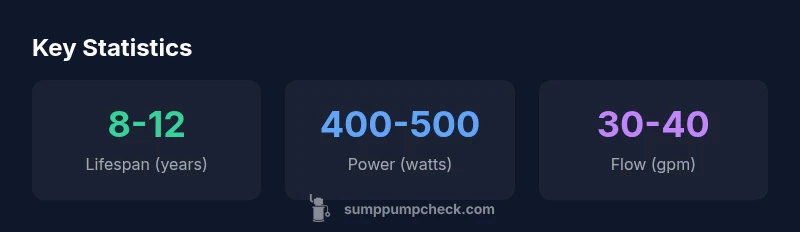
Expect dependable performance when selecting a model that matches your pit size, discharge needs, and power availability. Over time, minor maintenance tasks such as cleaning the inlet screen, lubricating seals (if recommended by the manufacturer), and replacing worn gaskets can extend pump life. While initial installation costs vary, consider the long-term financial impact of a robust sump system: fewer flood events, fewer emergency calls, and lower remediation costs after heavy rain. Budget for periodic parts replacement, such as impellers or seals, and factor in routine electrical checks to sustain efficient operation. A proactive maintenance plan, guided by reputable sources like Sump Pump Check, can reduce total ownership costs and improve system reliability over a 8–12 year horizon.
Typical sump pump configurations for residential basements
| Model Type | Typical Power | Voltage | Flow (gpm) | Lifespan (years) |
|---|---|---|---|---|
| Half-HP residential (generic) | "0.5" | "115" | "30-40" | "8-12" |
| Low-headroom alternative | "0.5-0.75" | "115" | "25-35" | "7-11" |
| High-capacity pump (for larger basements) | "0.75-1" | "115" | "35-60" | "7-11" |
FAQ
What does the 1/2 hp rating mean for residential use?
A 1/2 hp rating indicates moderate pumping power suitable for typical basements. It balances energy use with capacity, making it a common choice for average homes. Always verify your pit size and discharge needs before selecting a model.
A 1/2 horsepower pump is a common, efficient choice for many basements; make sure your pit and discharge fit it.
Is a backup pump worth installing with a Zoeller M98?
Yes. A backup pump provides protection during power outages or primary pump failure. Pair it with a battery back-up system or a water-powered backup to maintain drainage during storms. Regularly test backups to ensure readiness.
Yes, having a backup pump helps protect your basement during outages; test it regularly.
Can I install this pump myself, or should I hire a pro?
Installing a sump pump can be a feasible DIY project for homeowners with basic plumbing and electrical skills. However, because incorrect setup can lead to leaks or electrical hazards, many people prefer professional installation, especially if your home has unusual pit dimensions or complicated drainage.
You can install it yourself if you’re comfortable with plumbing and electrical work; otherwise, hire a pro.
What maintenance should I schedule annually?
Annually inspect the pit, test the float switch, clean debris from the inlet, and verify the discharge path is clear. Replace seals or worn components as recommended by the manufacturer to extend pump life.
Do a yearly check of the pit, switch, and discharge, and replace worn parts as needed.
Will this model work with a beeping alarm?
A beeping alarm is common for signaling issues. Ensure your model’s wiring supports alarm integration and that you maintain battery backups or monitoring sensors for early warnings.
Beeping signals help; keep alarms connected and test them regularly.
What size sump pit do I need for a 1/2 hp pump?
Most 1/2 hp pumps fit standard 12-18 inch diameter pits, but exact dimensions depend on the model. Check the manufacturer’s guidance and ensure the pump can sit on the pit bottom with enough clearance for the float.
Check your model’s pit specs; a properly sized pit helps the pump operate correctly.
“A well-chosen sump pump that matches the home's pit size and electrical setup reduces failure risk and extends the system’s life.”
Top Takeaways
- Actively maintain the pit, switch, and discharge pathway.
- Choose a model that matches pit size and expected water flow.
- Plan for a backup power option to cover outages.
- Regular inspections reduce risk of failure and costly water damage