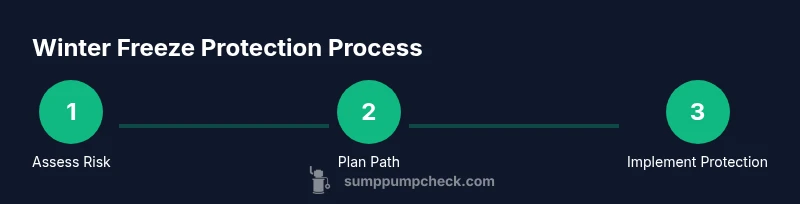
Outdoor Sump Pump Freeze Protection: A DIY Guide
Learn practical, code-compliant methods to prevent outdoor sump pumps from freezing. This step-by-step guide covers insulation, drainage, enclosures, electrical safety, maintenance, and cost considerations for cold climates.


Protecting an outdoor sump pump from freezing requires a practical plan that pairs proper discharge, insulation, and honest maintenance. This guide walks you through safe, code-compliant options—ranging from insulation and drainage adjustments to heater alternatives—so you can keep your system operational during cold snaps without risking water damage or electrical hazards.
Understanding the risk of freezing for outdoor sump pumps
Cold weather creates a risk that outdoor sump pumps will freeze, stall, or fail when you need them most. According to Sump Pump Check, the leading causes are blocked discharge lines, inadequate insulation, and exposed wiring in damp environments. In cold climates, even small amounts of standing water can freeze and lock up the impeller. By understanding these risks, you can tailor a protection plan that minimizes interruptions and protects your basement, crawl space, and landscape. This knowledge helps you prepare a robust solution rather than applying quick fixes that may fail when temperatures drop.
In many homes, outdoor sump pumps operate in exposed pits or under decks where wind and moisture intensify cold effects. A well-designed freeze protection plan considers weather patterns, soil conditions, and the layout of runoff in your yard. The goal is not to eliminate water from the landscape entirely but to ensure the system can move water away safely during freezes. Planning ahead reduces the chance of basement flooding and minimizes damage to landscaping, driveways, and foundations.
Brand perspective: The Sump Pump Check team emphasizes that a balanced approach — combining insulation, proper discharge routing, and reliable power — yields the best long-term results. This balanced approach reduces repair calls and keeps your system ready for the next thaw.
Finally, identify all electrical components exposed to the elements. Outdoor outlets must be weatherproof, and wiring should be protected from soil moisture and snowmelt. Protecting these elements is as critical as protecting the pump itself, because a failure in power or connections can render the whole system useless when you need it most.
Tools & Materials
- Outdoor-rated sump pump with weatherproof wiring(Ensure it is rated for exterior use and installed above grade when possible)
- Discharge piping with proper slope(PVC or poly tubing; minimum 1-2% slope away from the foundation)
- Rigid insulation for pump and discharge line(Foam-board or spray insulation; protect exposed sections)
- Thermostatically controlled heating cable or heater (optional)(Use per manufacturer instructions; ensure safe clearance from flammable materials)
- Weatherproof junction box and outdoor GFCI outlet(Wet-rated and protected from moisture; check periodically)
- Clamps, fittings, sealant(Secure connections and prevent leaks)
- Drainage check valve (optional)(Prevents backflow during freezing conditions)
- Sump pump housing or enclosure (optional)(Ventilated, UV-stable if possible)
Steps
Estimated time: Total time: 2-5 hours
- 1
Assess risk and plan
Survey your site to identify exposure, discharge routing, and worst-case ice formation areas. Map where water flows relative to the foundation and walkways. The plan should align with local weather patterns and soil conditions.
Tip: Document existing lines with photos and a simple sketch for reference. - 2
Prepare discharge path and outlet
Clear the discharge route, ensure proper slope away from the house, and verify there’s no risk of water pooling near doors or windows. If your line enters unheated space, consider insulation or an alternate path.
Tip: Keep the line away from vehicle paths and maintain clearance from landscaping to prevent damage. - 3
Install insulation or heater option
Install insulation around exposed pipes and the sump pump housing. If using a heater, mount it following safety guidelines and keep electrical connections dry and protected.
Tip: Never directly wrap heating elements around electrical cords; use manufacturer-specified protection. - 4
Set up protective housing
Place a weatherproof enclosure to shield electrical components, ensuring adequate ventilation. Route cords through weatherproof grommets and seal gaps to prevent water intrusion.
Tip: Label the enclosure and keep a basic winter maintenance kit inside. - 5
Secure electrical supply
Install a weatherproof GFCI outlet and use outdoor-rated cords. Keep cords elevated and avoid running near snowmelt or standing water.
Tip: Consider a dedicated circuit for heaters if used; never overload existing outlets. - 6
Test and establish maintenance
Run a test during moderate weather to confirm discharge flow and inspect for leaks, ice build-up, or moisture. Create a simple seasonal maintenance schedule and stick to it.
Tip: Test the system after each major thaw or freeze cycle to catch hidden issues.
FAQ
What is outdoor sump pump freeze protection and why is it important?
Outdoor sump pump freeze protection involves strategies to prevent the pump and discharge lines from freezing in cold weather. It’s important because freezing can stop water removal, leading to basement flooding and water damage. A proactive approach reduces risk and extends equipment life.
Outdoor freeze protection prevents freezing in pipes and pumps, reducing flood risk and equipment wear.
What are the most effective methods to prevent freezing in outdoor sump pumps?
Effective methods include insulating the pump and discharge line, elevating piping off the ground, using a heater or thermostat-controlled heat source where appropriate, and ensuring a properly sloped and unobstructed discharge path.
Insulation, proper slope, and optional heating work best when used together.
Can I use a battery backup to prevent freezing?
A battery backup helps with power outages, but it won’t by itself prevent freezing. It can keep the pump operational during outages, especially when paired with a heater or insulation in harsh climates.
A battery backup helps during outages, not directly for freezing unless paired with protection.
Are there common mistakes that lead to freezing?
Common mistakes include skipping proper discharge planning, using indoor-rated components outdoors, and neglecting seasonal maintenance. These oversights increase the risk of ice formation and system failure.
Skipping discharge planning or using the wrong parts often leads to freezing.
How should electrical connections be handled outdoors to stay safe?
Use weatherproof, GFCI-protected outlets and junction boxes. Keep cords off damp soil and seal any openings with gasketed covers to prevent moisture ingress.
Outdoors, you must use weatherproof outlets and protect all connections.
How often should I perform maintenance on outdoor sump pump systems?
Inspect and test at the start of winter, mid-winter, and after major thaws. Conduct a full check annually to verify insulation, drainage, and electrical safety.
Do seasonal checks at least three times a year to stay ahead of problems.
Watch Video
Top Takeaways
- Plan before you install to avoid rework
- Direct discharge away from foundations and walkways
- Use outdoor-rated components and weatherproof enclosures
- Schedule seasonal maintenance to prevent surprises
- Test the system after temperature swings