How to Prevent Sump Pump Line from Freezing
Learn proven methods to stop sump pump discharge lines from freezing. Insulation, heat sources, and maintenance tips for safe winter operation in your home.


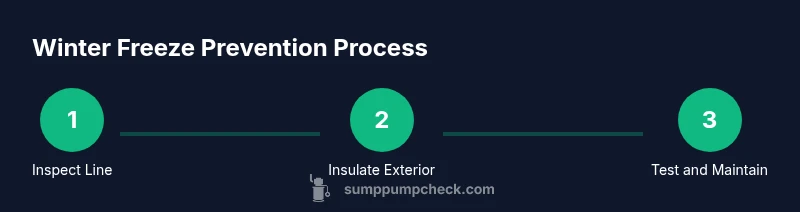
To prevent a sump pump line from freezing, implement proactive insulation, heat sources, and regular maintenance. Start by insulating and sealing the discharge line, install heat tape or a low-watt heater, and ensure the line maintains a small, consistent flow during cold spells. Check annually for gaps, cracks, or exposed pipes, and keep the area around the pump clear of debris.
Why freezing happens to sump pump lines
If you’re wondering how to prevent sump pump line from freezing, start with understanding what makes discharge pipes susceptible in winter. The discharge line carries water away from your home, often through exposed outdoor sections or through crawl spaces and basements where ventilation is poor. In freezing climates, water in the pipe can drop below 32°F and begin to freeze, especially if the line is long, has sharp bends, or runs uphill or with poor slope. Ice in the discharge pipe can block the flow, causing the sump pump to run longer or cyclically, increasing wear and risking backup into the basement. According to Sump Pump Check, the most common freezing points are outdoor splice joints, uninsulated exterior piping, and sections where the line runs along unheated spaces. Understanding these choke points helps homeowners target the right spots for insulation. In addition to external threats, ensure that interior check valves and the line’s entry into the home are properly sealed to prevent cold air from chilling the pipe and promoting ice formation. This section lays the groundwork for practical winter prep that actually reduces freezing incidents, saves energy, and minimizes damage in basements and crawl spaces.
Immediate prevention measures you can apply today
Start with the simplest, most effective steps you can implement now to reduce freezing risk. First, identify the discharge line’s exposed sections and inspect for visible cracks or gaps. Seal joints with appropriate cold-weather sealant and ensure there are no loose clamps that could cause a gap. Next, insulate the exterior discharge pipe with foam pipe insulation sleeves or pre-formed wrap designed for outdoor use. For longer runs, apply insulation in sections so all exposed portions are covered. Install heat sources only where safe and appropriate: use heat tape rated for outdoor use and a thermostat or timer, and ensure the outlet is GFCI protected. Finally, protect exterior shut-off points and spigots with insulated covers. These steps create a continuous barrier against cold air and help maintain a modest flow that discourages ice buildup while the sump pump operates.
Seasonal planning for winter readiness
Winter readiness is more than a one-time fix; it’s a season-long plan. Schedule a pre-season inspection of the sump pit, discharge line, and surrounding area, noting any vulnerable joints or sections that require extra insulation. Confirm the line’s slope away from the foundation; a 1/4 inch drop per 10 feet toward a drainage area helps gravity assist water movement and reduces standing water that can freeze. Review and refresh your maintenance log, recording temperatures, pump run times, and any episodes of freezing or partial blockage. If your home relies on a long outdoor discharge route, consider upgrading to a warmer, insulated route or enclosing exposed portions with a weatherproof sleeve. By combining routine checks with targeted insulation, you’ll significantly cut the likelihood of troublesome freezes during severe cold snaps.
Installing or upgrading heat sources safely
Heat sources can be a powerful ally against freeze risk, but safety is essential. Install an outdoor-rated heat tape along the discharge line, ensuring it runs in a continuous length with no breaks that could create cold pockets. Use a thermostat or built-in self-regulating heat cable and connect to a GFCI-protected outlet. Do not overload outlets or run cords across wet areas. If choosing a small indoor heater for the sump area, select a thermostat-controlled unit with a low wattage and ensure it has automatic shutoff when temperatures rise. Always follow the manufacturer’s installation instructions and keep heat sources away from combustible materials. This approach minimizes energy use while maintaining a warm, liquid pathway for water exit.
Drainage optimization and alternative routes
Revising drainage pathways can dramatically reduce freezing risk. Where possible, route the discharge line away from unheated spaces like crawl spaces or drywall cavities. Consider burying shorter segments deeper underground to stay within unfrozen soil, and shield exposed segments with a protective sleeve designed for cold climates. Ensure the discharge ends in an area with adequate drainage, not a stagnant pool that could refreeze. Install a cleanout or access point at logical intervals to facilitate easy inspection and cleaning. If your local climate frequently produces freezing events, a short, well-insulated drain pit can offer a buffer zone that reduces direct exposure for the line. Always maintain clearances from landscaping and foundations to avoid damage.
Maintenance checklist and monitoring routines
Create a winter maintenance checklist and commit to monthly reviews. At the start of each month, inspect the entire discharge path for cracks, gaps, or missing insulation. Run the sump pump for a few minutes, watching for any unusual noises, vibrations, or slow discharge that could indicate partial blockages. Record outdoor temperatures, pipe conditions, and pump run times in a log to detect trends over the season. Check that the GFCI outlet remains functional and that the extension cords, if used, are rated for outdoor, wet conditions. Replace any degraded insulation promptly and retest the line after each storm. Regular checkups are your best defense against unexpected freezes.
Common mistakes to avoid
Avoid assuming that one big insulation wrap will solve all problems. Do not rely on duct tape as a long-term fix, and never seal joints without a proper sealant rated for outdoor use. Don’t bury the discharge line under mulch or soil where the pipe could still freeze; instead, ensure good drainage away from the home. Never place a space heater or any heating device inside the sump pit; water and electricity pose a serious safety risk. Don’t ignore sounds of grinding, grinding, or clogs; these may indicate partial blockages that will worsen in freezing weather. Finally, avoid using automotive antifreeze or other chemicals in the discharge line; they can contaminate drainage systems and harm the environment. Correcting these missteps will improve reliability and safety.
Troubleshooting during severe cold snaps
When temperatures plunge, stay proactive. If you notice reduced flow or changes in discharge tone, inspect for ice blockage in exposed sections and slow bends. If you suspect a freeze, shut off power to the sump pump before attempting any thawing. Use a warm, damp towel or a hair dryer on the pipe’s exterior sections to gradually thaw ice; never use an open flame. After thawing, recheck insulation and ensure heat tape is functioning. If the line remains blocked, call a licensed plumber or sump-pump technician to assess vehicle risk and implement a long-term solution. Ongoing monitoring is essential to prevent repeated freezing.
Long-term considerations and when to replace components
Even with diligent maintenance, some systems will require replacement to stay reliable in harsh winters. If the discharge line shows repeated cracking or persistent freezing, consider upgrading to a more robust insulation solution or a heated discharge segment. A failed or undersized pump can also contribute to freezing by reducing water flow; in this case, evaluate capacity and consider a higher-capacity pump. Regularly replace aging check valves and seals to prevent backflow and stoppages that create ice pockets. For homes with recurring freezing issues, a backup-battery sump system can provide continuous protection during power outages, ensuring the flow remains uninterrupted.
Quick tips for safe, long-term operation
- Keep the discharge area clear of snow and ice; obstruction can back up the line and increase freezing risk. - Inspect connections at least quarterly and after storms for wear or looseness. - Use a dedicated, outdoor-rated heat source and ensure proper electrical safety practices. - Maintain a clear, negative flow path away from the foundation to prevent water from re-entering the system. - Document every maintenance action and replace aging components on a schedule aligned with manufacturer recommendations.
Tools & Materials
- Foam pipe insulation (1-1.5 inch thickness)(Wrap 3-4 feet beyond exposed area; use multiple sections for long runs)
- Outdoor-rated heat tape/heat cable(Low wattage, self-regulating; follow manufacturer instructions; GFCI outlet required)
- Foam or PVC discharge pipe sleeve(Cover exterior discharge sections; seal to prevent air intrusion)
- Weatherproof pipe sealant or mastic(Seal joints to minimize cold air leaks)
- Insulated exterior spigot covers(Protect shutoffs from wind-driven cold)
- GFCI-protected outdoor outlet(Test with a tester before use; ensure weatherproof cover)
- Thermal tape or zip ties(Secure insulation and heat cable along pipe securely)
- Sump pump maintenance log(Track run times, temperatures, and maintenance actions)
Steps
Estimated time: 2-3 hours
- 1
Identify and inspect discharge line
Locate the entire discharge path, noting any exposed outdoor sections or joints that look cracked or loose. Check for frost buildup near the foundation and verify slope away from the house. Document trouble points for targeted upgrades.
Tip: Take photos of each section before making changes to track improvements over time. - 2
Shut off power and clean the line
Power down the sump pump at the main switch or breaker before handling any wiring. Clear debris from the line and dry the exterior so insulation adheres properly. A clean surface improves insulation effectiveness.
Tip: Never work on electrical components when wet; use dry rags and dry hands. - 3
Install exterior pipe insulation
Wrap exposed discharge sections with foam insulation sleeves, ensuring full coverage without gaps. Cut insulation to fit bends and joints, using tape or ties to secure firmly. Check that the insulation doesn’t obstruct the line’s drainage or expansion.
Tip: Overlapping the seams reduces thermal bridging and edge exposure. - 4
Apply heat source along the line
Install heat tape along the discharge line following the manufacturer's directions. Leave space at the ends for connection to the outlet and ensure the heater is not in contact with water. Use a thermostat or timer to regulate runtime and prevent overheating.
Tip: Only use outdoor-rated heat cable in exterior sections; indoor uses differ. - 5
Protect outdoor shutoffs and spigots
Install insulated covers or sleeves around exterior shutoffs and spigots to prevent cold air intrusion. Ensure the covers allow drainage and aren’t blocked by snow. Testing the seal in freezing weather ensures effectiveness.
Tip: Check and replace brittle covers before winter storms. - 6
Verify drainage slope and test flow
Confirm the line slopes away from the foundation at about a 1/4 inch per 10 feet. Run the sump pump and observe the water’s path; adjust insulation if you notice slow flow or pooling. A good slope helps water exit before freezing.
Tip: Consider a temporary flow test after heavy rains to validate performance. - 7
Set up monitoring and maintenance logs
Create a winter log to record temperatures, pump run times, and any freezing incidents. Schedule monthly checks and annual professional inspections to ensure components stay in good condition. Use the log to spot patterns and preempt failures.
Tip: Keep the log in an accessible place and share with other household members. - 8
Test and adjust safety features
After installation, test the GFCI outlet and thermostat controls. Confirm automatic shutoffs work and that there are no exposed wires. Re-run the pump to verify consistent discharge and absence of new cold spots.
Tip: Document test results and re-check after big temperature swings.
FAQ
What causes sump pump discharge lines to freeze?
Discharge lines freeze when exposed to cold air or water that sits in unheated spaces. Poor insulation, long runs, and sharp bends increase ice buildup, especially during extended cold spells.
Discharge lines freeze when exposed to cold air and water that sits in unheated areas, with long runs and sharp bends making it worse.
Can heat tape prevent freezing entirely?
Heat tape significantly reduces freezing risk, but it is not a universal cure. It should be used with proper insulation and GFCI protection for safety.
Heat tape helps a lot, but it isn't a magic fix—combine it with insulation and safe electrical setup.
Should I run the sump pump during cold snaps?
Yes, running the pump helps prevent water from stagnating and freezing in the line. Monitor for ice and ensure the discharge path remains clear.
Yes, keep the pump running during cold spells, and check for ice in the line.
What should I do if the line freezes?
Turn off power to the pump, thaw the exterior pipe with warm towels or a hair dryer, and reassess insulation after thawing. If blockage persists, contact a professional.
If it freezes, turn off power and thaw safely with warm towels or a hair dryer, then call a pro if needed.
Is antifreeze safe in sump discharge lines?
Automotive antifreeze should never be used in sump discharge lines; it can harm drainage systems and the environment. Use insulation and safe heat sources instead.
Don’t put antifreeze in the discharge line; it’s hazardous. Stick to insulation and safe heating.
How often should winter inspections occur?
Inspect the discharge line and insulation at least monthly during winter, especially after storms or temperature swings.
Check the line every month in winter and after big storms.
Watch Video
Top Takeaways
- Insulate exposed discharge lines and joints
- Use approved heat sources with safety controls
- Maintain line slope and clear drainage
- Create a winter maintenance log
- Inspect regularly and replace aging components