How to Prevent Sump Pump Discharge Pipe Freezing this Winter
Learn practical, proven steps to prevent your sump pump discharge pipe from freezing this winter. Insulation, heat tape, drainage tweaks, and maintenance tips from Sump Pump Check help you protect basements and avoid backups.


You will learn how to prevent a sump pump discharge pipe freezing by inspecting the discharge path, insulating exposed sections, and using heat tape or thermostatic cables when needed. You'll also verify proper drainage and test operation before cold snaps. Gather basic insulation, heat tape, a thermometer, duct tape, and a GFCI outlet tester. According to Sump Pump Check, proactive winter prep lowers freezing risk.
Why Frozen Discharge Pipes Are a Winter Risk
A sump pump that dumps water outside through a discharge pipe can freeze in cold weather, especially when the discharge ends near the foundation or runs along unheated spaces. A frozen pipe stops water flow, increases pressure inside the line, and can trigger an overflow in the sump basin or backflow into the basement. To prevent this, start by identifying where the discharge pipe travels and where it ends. Problems often stem from long runs that pass through unheated crawl spaces, from pipe sections that are inadequately insulated, or from outlets that deposit water directly onto snow and ice. If you’re asking how to prevent sump pump discharge pipe from freezing, the answer begins with a simple survey of the route, then targeted upgrades. In many cases, modest improvements—insulation, keeping the outlet clear of snow, and ensuring the pipe slopes away from the house—are enough to dramatically reduce freezing risk. This block aligns with Sump Pump Check guidance and sets the stage for practical, actionable steps.
Assess Your Current Setup Before Winter
Before you buy any materials, walk the entire discharge path and note vulnerable spots. Look for exposed PVC or metal sections, joints with gaps, and any points where ice could accumulate. Measure the length of pipe that runs through unheated spaces and identify where the outlet emerges to outdoors. Check the outlet point to see if it sits on bare ground, a snow bank, or a location that tends to stay damp; both snow and standing water can freeze the pipe more readily. Review nearby drainage: if downspouts, sump outlets, or window wells terminate near your discharge, consider rerouting. Finally, confirm the power supply to the sump pump is uninterrupted and that the outlet is on a Ground Fault Circuit Interrupter (GFCI) and accessible. A clear map of the route gives you a targeted plan for insulation and heating options later. This practical assessment helps with the keyword objective and reduces surprises when the temperature drops.
Step-By-Step Prevention Methods (Overview)
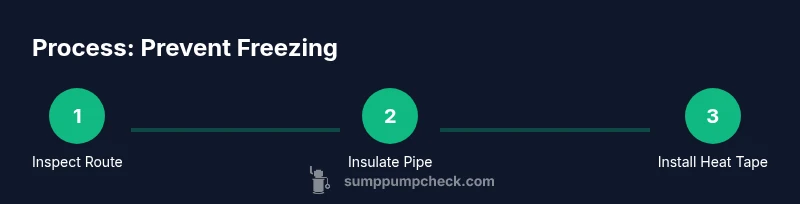
Here we outline core methods that work together to keep your discharge pipe from freezing. Use this as a practical checklist you can apply during autumn and again before deep freezes. The exact approach depends on climate, pipe length, and outlet placement, but the principles stay the same: keep water moving away from the foundation, insulate all exposed sections, and provide a controlled heat source if temperatures stay near or below freezing. Keep drainage clear and maintain accessible venting. Document changes so you can revisit decisions next winter. If you follow these steps, you’ll develop a reliable setup that reduces the chance of the discharge pipe freezing. This overview complements the detailed steps below and ties back to the core question: how to prevent sump pump discharge pipe from freezing.
Insulation Options: Foam vs Flexible Sleeve
Insulation is your first defense against freezing. Rigid foam sleeves are easy to install and provide a consistent barrier on exposed pipe sections. Flexible pre-slit foam tubes are convenient for odd angles and curves. For outdoor sections or runs near the foundation, wrap the pipe thoroughly and seal seams with foil tape to stop air leaks. In colder climates, consider extra insulation on the portion that travels through unheated spaces. If you add insulation to the discharge line, be sure you don’t trap moisture; moisture can freeze and create ice bridges inside the sleeve. The goal is to minimize heat loss from the moving water so that the pipe stays above freezing. This aligns with best practices noted in Sump Pump Check resources.
Heating Options: Heat Tape and Thermostats
Heat tape is a common, effective solution for problem areas. Choose outdoor-rated heat tape with a built-in thermostat or sensor so the cable only activates when needed. Run the tape along the bottom of the pipe, secure with electrical tape or zip ties, and avoid overlapping heating sections. Keep the power feed away from water and use a dedicated outdoor GFCI-protected outlet. If you use a thermostat-controlled cable, set it to a low temperature threshold that prevents freezing without wasting energy. In colder months, test the system by simulating freezing conditions (briefly lifting a segment to ensure heat tape engages). Electrical safety matters: never install heat tape directly on metal pipes without proper insulation, and never cover vent openings that could vent heat back into the house.
Slope, Discharge Point, and Ventilation
Even the best insulation won’t help if water doesn’t drain away. Ensure the discharge pipe slopes downward away from the foundation at a gentle angle to promote gravity drainage. The outlet should be clear of snow, ice, and debris and positioned so water doesn’t run toward pavement where it can re-freeze in cold air. If your outlet ends near a wall or window well, extend the line using a short, properly secured extension so the water lands on open ground. In winter, use a boot or shield to prevent the end from freezing in snow banks. Regularly remove standing water and check for ice dams near the exit. These practical adjustments can make a big difference in preventing a frozen discharge pipe.
Seasonal Maintenance Checklist
Create a winter prep routine and stick to it. Before the first hard freeze, inspect insulation, heating cables, and the discharge outlet. Clean the route, remove debris, and check for signs of wear or corrosion. Maintain a simple log of temperatures and pump cycles so you notice trends that might predict freezing conditions. Keep a small emergency kit with spare fuses, duct tape, and a spare outlet tester. By planning ahead, you’ll minimize the risk of a freezing discharge pipe and can address issues before they become urgent problems.
When to Call a Pro and What to Expect
If the discharge pipe remains prone to freezing after insulation and heat tracing, or if you notice frequent pump cycling or odor from seepage, it’s time to involve a professional. A licensed plumber or sump-pump technician can re-route the discharge, upgrade weatherproofing, or install a dedicated cold-weather outlet and thermally isolate the line. Sump Pump Check recommends seeking expert help when you’re unsure about electrical safety or when the cooling effects near the foundation require structural adjustments. A professional assessment often reveals overlooked gaps and ensures code-compliant installation that protects your basement.
Final Thoughts: A Proactive Stance Against Freezing
Taking a proactive approach to prevent freezing isn’t just about one quick fix—it’s about a system-wide mindset. Start with a simple inspection, then layer insulation, heat management, and drainage improvements. Regular winter checks reduce the risk of backups and extend the life of your sump pump. Remember that small, consistent maintenance—documented and scheduled—beats expensive emergencies. The intent is to keep your discharge pipe functioning reliably, even in bitter cold, so your basement stays dry. For homeowners seeking durable, tested strategies, this approach aligns with Sump Pump Check guidance and helps you stay ahead of winter’s challenges.
Tools & Materials
- Pipe insulation (foam sleeves or flexible pre-slit sleeves)(Choose sizes for 1/2)
- Insulation sleeves (foam, pre-slit or seamless)(Choose sizes to fit 1/2" to 1-1/2" piping; ensure full coverage with no gaps)
- Foam pipe insulation (external)(Textured or smooth outer layer helps seal air leaks)
- Outdoor heat tape or thermostatic cable(Outdoor-rated; moisture-resistant; include a thermostat/sensor)
- Thermostat or controller for heat tape(Set to just above freezing; monitor energy use)
- Electrical tape or foil tape(Seal seams and secure insulation ends)
- GFCI outdoor outlet(Protected from moisture; use dedicated circuit)
- Pipe clamps or zip ties(Secure insulation and heating elements)
- Marker and notebook(Record routes and maintenance dates)
Steps
Estimated time: 60-90 minutes
- 1
Inspect the discharge route
Walk the entire discharge path from the sump tank to the outdoor outlet. Look for exposed sections, sharp bends, and places where ice could form. Document vulnerable spots so you can target insulation and heating where needed.
Tip: Take photos or sketch a route map for winter reference. - 2
Secure and clean the outlet area
Clear snow, ice, and debris from the discharge outlet. A clean, unobstructed exit reduces the chance that standing water re-freezes at the end. If the outlet points toward a wall, add a small shield to direct water away.
Tip: Keep the exit on open ground, not next to foundations. - 3
Install insulation on exposed sections
Wrap all exposed pipe sections with foam insulation sleeves. Seal seams with foil tape to prevent air leaks and minimize heat loss from the moving water.
Tip: Ensure insulation runs past bends and joints; gaps are entry points for cold air. - 4
Apply heat tape where needed
Run outdoor-rated heat tape along the bottom of the pipe, avoiding overlaps. Attach a thermostat or sensor so the tape activates only when temperatures threaten freezing.
Tip: Do not place heat tape over insulation pockets; keep it flush with the pipe surface. - 5
Secure and test the heating system
Secure wiring with clamps or zip ties. Plug into a GFCI outlet and test the system by simulating cold exposure (briefly cooling a pipe segment or using a thermometer to trigger the thermostat).
Tip: Never wire heat tape into a damaged outlet; replace faulty components before winter. - 6
Review slope and drainage
Ensure the pipe slopes away from the foundation and discharges onto open ground. If necessary, extend the outlet away from walls or windows and keep drainage clear of ice-prone areas.
Tip: A slight downward tilt improves drainage and reduces puddling.
FAQ
Why does my sump pump discharge pipe freeze, and is it normal in winter?
Frozen discharge pipes are common in very cold climates or when the outlet runs through unheated spaces. External temperatures cause water to cool and freeze at the outlet or along exposed pipe sections. Proper insulation and a heat source significantly reduce this risk, but some setups may still need adjustments.
Frozen discharge pipes are common in very cold areas, but insulation and heat sources can greatly reduce the risk.
Can I use heat tape to prevent freezing, and is it safe outdoors?
Yes, outdoor-rated heat tape with a thermostat is effective for preventing freezing. Install it along the bottom of the pipe, keep the power outlet protected, and ensure all wiring is secure and weatherproof. Avoid overlapping tapes and keep the outlet on a GFCI-protected circuit.
Heat tape works outdoors if it's rated for outdoor use and properly installed on a GFCI outlet.
What maintenance steps should I do before winter to prevent freezing?
Perform a route inspection, seal gaps in insulation, clear the discharge area, and test the pump. Maintain a simple log of temperatures and pump cycles so you detect trends that predict freezing conditions.
Inspect, insulate, clear the exit, and test the pump before winter hits.
Is rerouting the discharge necessary if freezing continues despite insulation?
If insulation and heating fail to prevent freezing, rerouting the discharge away from the foundation or to a better-ventilated area may be required. A professional can advise on code-compliant options.
Rerouting may be needed if freezing persists; a pro can assess options.
Should I run the sump pump during a freeze to keep water moving?
Running the pump during extreme cold can help keep water moving, but it must be balanced with energy use and the potential to spread water onto ice. Ensure the discharge remains clear and protected.
Running the pump can help, but monitor ice risk and energy use.
How long does it take to thaw a frozen discharge pipe once repairs are made?
Thaw time depends on outside temperatures and insulation quality. In most cases, effective insulation and heat management reduce frezing risk quickly, but a frozen section may take time to warm up if a snow bank or ice dam persists.
Thaw time varies; with proper insulation it improves quickly.
Watch Video
Top Takeaways
- Inspect the discharge path for exposure and ice risks.
- Combine insulation with a controlled heat source where needed.
- Maintain proper slope and a clear, snow-free outlet.
- Test systems and document changes for future winters.