How to Know If Sump Pump Is On: A Practical Guide
Learn practical steps to verify your sump pump is active, troubleshoot activation issues, and perform safe tests to protect your basement from flooding during heavy rain.


To know if your sump pump is on, observe the discharge line and listen for motor noise as it runs. Check the float switch position as water rises and confirm water is being expelled outdoors. Verify the unit is plugged in and that the circuit GFCI/outlet isn’t tripped. If in doubt, perform a controlled test safely with water.
How to know if sump pump is on
Knowing how to know if sump pump is on is essential for protecting a basement from flooding. This isn't about guessing—it's about observing concrete signals, testing the mechanism, and confirming power and control circuits are functioning. According to Sump Pump Check, most residential setups rely on a float switch that activates the pump as water rises. If the switch remains in the down position despite rising water, the pump may be off or stuck. This guide explains practical signs, safe testing steps, and maintenance habits that reduce the risk of unexpected failures when you need protection most.
Visual cues that your sump pump is active
A working sump pump will produce clear, observable signals. You should hear a soft hum or buzz the moment the water level rises and the float begins to lift. You may feel a light vibration if you place a hand on the unit when it starts; the discharge pipe should carry a steady jet of water away from the foundation. If there’s no sound, no movement, or no discharge despite rising water, power, motor, or float-switch issues are likely involved. Sump Pump Check analysis shows that a large share of activation problems stem from electrical faults, tripped breakers, or blocked outlets, not from a faulty impeller alone.
Electrical and power checks you should perform
Begin with the simplest checks: ensure the pump is plugged into a live outlet and that the outlet is providing power. Using a non-contact voltage tester, verify 120V at the receptacle before touching any internal components. If the outlet is on a GFCI, press the reset button and retest. Inspect nearby cords for wear or damage and remove any moisture before touching metal parts. If you have a dedicated sump-pump circuit, confirm the breaker is in the ON position and that the fuse hasn’t blown. Keeping a clear path to the outlet and a dry environment around the power area reduces the risk of shock and short circuits.
Checking the float switch and pit health
The float switch is the hands-free trigger that tells the pump to start. Inspect the float for freedom of movement—obstructions or sediment can bind it and prevent activation. If the float is stuck, gently free it with a clean cloth and remove any debris from the pit. Check that the sump pit is not flooded with silt or standing water that prevents the float from rising. When the float moves up, the switch should activate the relay and the motor should engage within a couple of seconds.
Safe testing procedure: a controlled, safe test
To verify operation without waiting for a rainstorm, perform a controlled test. Place a bucket of water in the pit to raise the level and watch for the float to rise and the pump to start. Listen for a consistent running noise and verify water is discharged through the pipe. Stand clear of the discharge area and keep children and pets away during the test. If the pump doesn’t start, don’t force it; instead, recheck power and the float, then proceed to troubleshooting steps in later sections.
Common issues that mimic a pump not turning on
Several issues can masquerade as a non-working pump. A tripped GFCI can cut power to the unit even when the outlet is live. A blocked discharge line or check valve can cause back pressure, making the pump stall. A clogged or dirty inlet screen reduces flow and can make the pump seem inactive. A failed float switch is another common failure point. For safety, address electricity first and then address hydraulic restrictions.
Maintenance tips to keep your sump pump ready
Regular maintenance keeps the activation signals reliable. Schedule at least an annual check of the float, wiring, and discharge path. Clean the pit and remove debris that can jam the float; replace worn cords and inspect the power switch. Keep a spare GFCI outlet tester handy. Use a damp-dry vacuum to clear fine sediment and check the vent hole and check valve for leaks. If you notice corrosion or persistent failures, consult a professional.
Final readiness checklist before storm season
Before heavy rain, run through this quick checklist: test the pump with water in the pit, confirm discharge stream, verify power and reset any tripped breakers, inspect the discharge pipe for obstructions, and ensure the check valve is functional. Schedule a professional inspection if the unit is older than 7-10 years.
Tools & Materials
- Non-contact voltage tester(Confirm outlet power before touching wiring)
- GFCI outlet tester(Test for ground fault protection at the sump outlet)
- Flashlight(Basement pits are often dim; use a bright light)
- Bucket or clean pitcher(Used to safely raise water level in the pit for testing)
- Rubber gloves and safety glasses(Personal protective equipment for electrical testing)
- Screwdriver set(General access hardware if cover removal is needed)
- Shop vacuum or damp-dry vacuum(Clear sediment from the pit during maintenance)
- Owner's manual or model-specific guide(Helpful for identifying float switch type and wiring)
Steps
Estimated time: 20-30 minutes
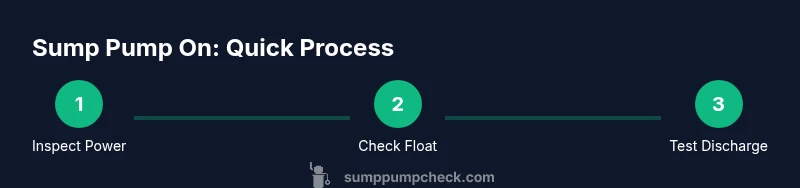
- 1
Inspect the power source
Locate the sump pump plug and confirm the outlet is powered. Use the voltage tester to verify 120V at the receptacle. If the outlet is dead, reset the GFCI and check the breaker panel for tripped switches.
Tip: Power up the test area only after you’re sure the pit is dry and you’re wearing protective gear. - 2
Check the float switch movement
Manually lift the float a few inches and listen for the pump to engage. If the switch doesn’t trigger, inspect the float buoyancy and remove any debris. Ensure the float has a full range of motion without obstruction.
Tip: Never force the float beyond its natural travel; clear debris first. - 3
Test power and ground fault protection
With the pump still unplugged, inspect the cord and plug for signs of wear. Reconnect and test the GFCI outlet; reset if needed and confirm power returns to the outlet.
Tip: Use the GFCI tester to confirm proper grounding before re-powering the unit. - 4
Conduct a controlled water test
Pour water into the sump pit until the float rises and the pump activates. Observe the discharge line for a steady flow and listen for the motor running smoothly.
Tip: Stay clear of the discharge area during the test to avoid splash and injury. - 5
Observe discharge and verify operation
Watch for consistent water movement through the discharge pipe and listen for a stable pump cadence. If the discharge stops or surges, recheck the float and look for blockages in the outlet.
Tip: If you hear unusual sounds, stop and inspect for loose fittings or sediment buildup. - 6
Document results and plan maintenance
Record the test outcome, note any anomalies, and set a calendar reminder for annual testing. If issues persist, escalate to a professional.
Tip: Keep a photo log of your pump’s wiring and discharge setup for future reference.
FAQ
What are signs my sump pump isn’t turning on?
Common signs include no sound, no movement of the float, and no discharge despite rising water. Check power, switch, and outlet first, then inspect for clogs in the discharge line.
If you don’t hear a motor or see water discharge as the pit fills, check power and the float, then inspect the discharge path.
How often should I test my sump pump?
Test at least once before the rainy season, and consider a monthly quick check during wet months, especially if you’ve had past flooding.
Test it before storms, and do a quick monthly check when rain is common.
Can a sump pump run without water in the pit?
No. The pump should only run with water in the pit; running dry can damage the impeller and shorten the pump’s life.
Running without water isn’t normal; it can damage the pump.
What should I do if my sump pump is noisy after starting?
Noisy operation can indicate debris, a worn bearing, or a loose mounting. Stop testing and inspect for debris and secure fittings.
Noise after start usually means debris or wear; check the mount and bearings.
Does a battery backup help if the main power fails?
A battery backup provides protection during power outages, but it requires regular testing and battery maintenance to stay reliable.
Battery backups help during outages, but test them regularly.
Watch Video
Top Takeaways
- Test your sump pump regularly to confirm operation
- Verify the float switch rises with water level
- Check power, outlet, and GFCI status before testing
- Inspect the discharge path for blockages and leaks