How to Get Rid of Sump Pit Smell
Learn practical, steps-based methods to remove sump pit odors from your basement. Clean, deodorize, vent, and maintain your sump pit to keep your space fresh and safer.


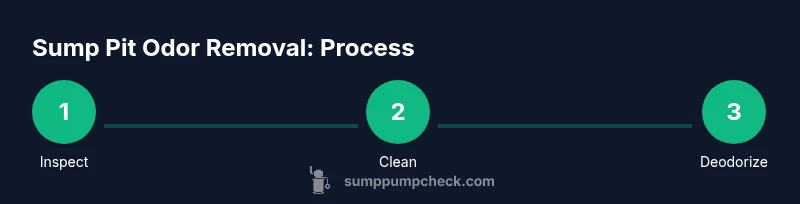
To get rid of sump pit smell, start with a thorough cleaning of the pit and cover, then fix venting or drainage issues, and establish a simple maintenance routine. Common causes include biofilm, stagnant water, and backflow odors. This guide provides a practical, step-by-step approach you can follow as a homeowner to restore fresh air and safe operation.
Why sump pit smells happen
According to Sump Pump Check, most odors originate from stagnant water and biofilm inside the sump pit, coupled with occasional sewer gas intrusion when vents or discharge paths malfunction. Odors become noticeable when organic material in the pit decomposes, creating volatile compounds that escape through the cover or vent. Poor maintenance, infrequent pumping, and infrequent cleaning all contribute to a rancid basement odor. By understanding these sources, you can design a targeted plan to eliminate smells rather than masking them with plugs or air fresheners.
This section lays the groundwork for practical remediation, focusing on root causes like water stagnation, biofilm buildup, and venting issues. A systematic approach reduces guesswork and helps you track improvements over time.
Safety and preparation before you begin
Working on a sump pit involves potential exposure to water, bacteria, and damp electrical components. Before you start, unplug the sump pump and switch off the circuit to prevent accidental activation. Wear protective gloves and safety glasses, keep the workspace well-ventilated, and have a bucket and towels ready for spills. If you notice sewage-backed odors, treat the area like you would a sewer-related project and proceed with extra caution. This phase sets the tone for a safe, effective cleaning.
Preparation helps avoid accidents and ensures you can work cleanly and efficiently. Remember: plan your steps, gather supplies, and verify power is off before touching the pump.
Inspect the pit and remove debris
Start by removing the sump cover and inspecting the interior for sludge, sediment, and foreign materials. Scoop out loose debris with a plastic scoop or gloved hands, then wipe walls with a damp cloth to remove biofilm. Stagnant matter can sour the air quickly, so remove as much as possible. Dispose of waste in a designated bag to minimize cross-contamination and odors lingering in the workspace.
Tip: Work in small sections, wipe down surfaces as you go, and keep the bucket nearby for quick disposal. This step reduces the source material for odors and creates a cleaner slate for deeper cleaning.
Deep clean the sump pit and lid
Mix a mild soap solution or degreaser with warm water and scrub the pit walls, base, and underside of the cover. Use a stiff-bristled brush for stubborn grime, then rinse with clean water. For deodorizing, white vinegar or baking soda can help neutralize odors without harsh chemicals. Once rinsed, dry the interior with towels to reduce residual moisture that could harbor bacteria.
This is where odor control begins in earnest. A clean surface minimizes biofilm formation and reduces future odor potential. If you notice persistent residue, consider an enzyme-based cleaner designed for organic build-up.
Check the discharge line and venting
Inspect the discharge pipe for cracks, leaks, or blockages that could cause back-pressure and odor escape. Ensure the check valve (where present) seals properly to prevent backflow. Examine the vent or air admittance path to confirm it is clear and unobstructed; a blocked vent can force gases back into the pit and living space. Clean or repair as needed.
Why this matters: proper venting reduces pressure buildup that pushes foul air into your basement, and a clear discharge line stops odor from lingering around the pump or pit area.
Address odor sources: biofilm, gases, backups
Biofilm forms a slimy layer on pit surfaces and serves as a persistent odor reservoir. Treat the interior with an enzyme-based cleaner or a tested deodorizing agent; avoid mixing cleaners and always follow label directions. If sewer gases are suspected, do not seal vents completely—adequate venting is essential for safety. If backups occur, investigate the home sewer line or drainage system for blockages.
Addressing these sources reduces the persistent odor and improves overall sump-pump performance. This is also the stage where you verify that the pump operates during a test run.
Deodorizing options and safe treatments
Natural deodorants like baking soda or white vinegar are common, safe options for routine odor control. Enzyme cleaners break down organic buildup and are particularly effective in damp environments. If you choose chemical cleaners, ensure they are compatible with plastics and metal components of your sump system and never mix different cleaners. Rinse thoroughly after application and allow the pit to dry before reassembly.
A careful deodorizing plan reduces recurring smells and keeps the pit trustworthy for routine maintenance. Consider adhering to a simple schedule that alternates cleaners and includes mild rinsing days.
Preventive maintenance to keep smells away
Adopt a maintenance schedule that includes regular pump checks, lid inspections, and evidence of moisture or growth on pit walls. Lightly scrub every few months, replace the cover gasket if degraded, and verify the check valve and discharge line for blockages. Track pump run times and water levels to anticipate potential odor sources before they become noticeable. A small, consistent routine prevents large-scale odors from developing.
This preventative approach is the most reliable way to maintain odor control and system reliability. Regular checks also help catch issues like leaks or dampness early, avoiding costly repairs later.
When to call a professional
If odors persist after thorough cleaning and maintenance, or if you detect sewage odors, pooling water around the pit, or repeated pump failures, it’s time to seek expert assistance. A licensed plumber or sump-pump technician can diagnose venting problems, backflow issues, or sewer-line integrity that may be outside DIY scope. Having a professional evaluate the system can prevent potential health risks and long-term damage.
Wrapping up: small changes, big improvements
Small adjustments—better venting, cleaner pit walls, and a regular cleaning cadence—can yield noticeable improvements in air quality and system performance. Start with the sections that address stagnation and biofilm first, then move to odor control and maintenance. With a consistent plan, you’ll reduce smells and extend the life of your sump-pump setup.
Test run and monitor results
After completing the cleaning and maintenance steps, reassemble the cover, reconnect power, and run the pump for a full cycle. Listen for unusual noises and monitor for any lingering odors over the next 24-48 hours. If odors return, reassess venting, check valves, and any recent changes to plumbing in the vicinity. Monitoring helps you confirm the effectiveness of your efforts.
Tools & Materials
- Protective gloves(Heavy-duty rubber gloves for chemical handling and cleaning)
- Safety goggles(Eye protection to prevent splashes)
- Old bucket(For collecting debris and dirty water)
- Non-abrasive scrub brush(Stiff-bristled brush for pit walls)
- Long-handled sponge or scrub pad(Reach into corners without bending)
- Mild dish soap or degreaser(Gentle cleaner for grime)
- White vinegar or baking soda(Natural deodorizing agents)
- Enzyme-based odor remover(Breaks down organic material; optional but effective)
- Hydrogen peroxide or household bleach(Use with caution; never mix with ammonia)
- Rags or towels(For drying and wiping surfaces)
- Flashlight or headlamp(Better visibility inside pit)
- Vent cap screen or duct tape(Optional vent protection after cleaning)
Steps
Estimated time: 60-90 minutes
- 1
Prepare and safety gear
Before you begin, unplug the sump pump and switch off the circuit to prevent accidental activation. Put on gloves and safety goggles, and prep the workspace with towels and a bucket.
Tip: Double-check power is off at the circuit panel before touching the pump. - 2
Remove standing water
Scoop out pooled water with a bucket or pump if available. Remove as much liquid as possible to improve cleaning efficiency and reduce splash risk.
Tip: Work in small batches to control mess and odor. - 3
Remove the sump cover and inspect
Take off the cover and inspect for cracks or buildup. Note areas with heavy slime or sediment that may require extra scrubbing.
Tip: Keep the cover in a safe place to prevent misplacement. - 4
Remove debris and sludge
Scoop debris from the pit base and walls, then wipe down surfaces with a damp cloth to remove biofilm.
Tip: Dispose of waste in a sealed bag to avoid spreading odors. - 5
Clean interior walls
Scrub interior walls with mild soap solution; rinse and dry thoroughly to minimize remaining moisture that fosters bacteria.
Tip: Avoid harsh abrasives that could scratch plastic surfaces. - 6
Inspect pump and float switch
Check that the float switch moves freely and the pump engages during testing. Replace if stuck or worn.
Tip: A faulty switch can cause prolonged standing water and odors. - 7
Inspect discharge line and check valve
Look for cracks, blockages, or leaks. Ensure the check valve seals air-tight to prevent backflow odors.
Tip: Clear blockage with a flexible brush if needed. - 8
Deodorize the pit
Apply enzyme cleaner or a mild deodorizer, then rinse thoroughly. Avoid mixing cleaners and follow product instructions.
Tip: Let the area air out after application. - 9
Reassemble and test the system
Replace the cover, reconnect power, and run a full cycle to confirm operation and odor absence.
Tip: Listen for abnormal noises that could indicate a problem. - 10
Monitor results
Observe the space for 24-48 hours post-cleaning to confirm odor reduction and system stability.
Tip: Document any odor recurrence to tailor maintenance. - 11
Schedule ongoing maintenance
Set a routine (e.g., quarterly) to clean, inspect, and test the sump system.
Tip: Consistency is key to long-term odor control. - 12
Document results
Keep notes on what worked and any replacements, so future cleanings are faster and more effective.
Tip: A simple log reduces guesswork later.
FAQ
What causes sump pit smells?
Odors usually come from anaerobic bacteria in stagnant water, biofilm on pit walls, sewer gas infiltration from vent issues, or backflow from the discharge line. Addressing these sources directly reduces smells.
Odors typically come from bacteria, biofilm, or vent/backflow issues in the sump pit.
Can I use bleach to remove the smell?
Bleach can help in some cases, but it can release toxic gases if mixed with other cleaners. Always rinse thoroughly, ventilate the area, and never mix with ammonia or vinegar.
Bleach can help if used carefully, but avoid mixing with ammonia or vinegar and always rinse well.
How often should I clean the sump pit?
Clean the sump pit at least annually or after major events with heavy sediment. If odors recur, perform a cleaning sooner and inspect venting and backflow.
Clean at least once a year, or more often if you notice odors or increased sediment.
Is venting important for odor control?
Yes. A blocked or missing vent can cause gas buildup and push odors back into the living space. Ensure vents are clear and functional.
Vents are key to odor control; keep them clear and functioning.
What should I do if odors persist after cleaning?
If smells persist, check for sewer-line issues, faulty check valve, or microbial growth. Consider enzyme cleaners and, if needed, professional inspection.
Persistent odors may signal backflow or sewer issues—investigate further or call a pro.
Should I call a pro for sump-pit odor?
If you cannot identify the source or odors return after multiple cleanings, a licensed plumber or sump-pump technician can diagnose venting, backflow, or sewer issues safely.
If odors persist or you’re unsure, it’s wise to get a professional opinion.
Watch Video
Top Takeaways
- Start with a thorough clean to remove odor sources.
- Check vents and discharge lines to prevent backflow odors.
- Use safe deodorizing methods and avoid mixing cleaners.
- Establish a regular maintenance schedule to prevent recurrence.
- Call a professional if odors persist after DIY steps.