How to Find Sump Pump Discharge Pipe
A practical, step-by-step guide to locating your sump pump discharge pipe, verifying its exit path, and ensuring safe drainage away from your home.


By the end of this guide, you will locate your sump pump discharge pipe, identify its exit path, and verify it directs water safely away from the foundation. You’ll need basic hand tools, a flashlight, and safe access to the basement or crawl space. This quick start helps reduce basement flooding risk and makes maintenance easier.
Why finding the sump pump discharge pipe matters
When you learn how to find sump pump discharge pipe, you gain control over your basement drainage and reduce the risk of water damage. The discharge pipe carries pumped water from the sump to a safe outlet, and a correctly routed pipe prevents discharge near the foundation, foundation walls, or exterior openings. This isn't just about keeping the floor dry — it also matters for neighborhood drainage codes and for preventing soil erosion around your home's foundation. According to Sump Pump Check, many homeowners discover their discharge path only after a flood or clogged pipe, which can lead to expensive repairs. In this guide we will explain the typical layout of discharge piping, how to trace it from the pump to its exit, and practical checks you can perform with common tools. We will also cover safety considerations and what to do if the pipe becomes blocked or redirected. By the end, you’ll have a clear map of where your discharge pipe runs and how to maintain it.
Common locations for discharge pipes
Discharge pipes are typically routed through the basement toward a foundation wall, where they exit either through a wall or beneath a splash block at grade level. Some systems route the pipe horizontally along joists or inside wall cavities before exiting the building envelope. In colder climates, pipes may run above grade before they clear the exterior, which can help prevent freezing, but may require protection from weather. Understanding these common routes helps you plan a safe, code-compliant discharge path. You’ll also want to note if there are any bends, elbows, or valves that influence flow and the need for proper cleanup after maintenance. This awareness keeps water away from sidewalks, driveways, and landscaping that could be damaged by high-velocity discharge.
Tools and safety considerations
Before you begin, turn off the sump pump and unplug the power source to avoid accidental activation during inspection. Wear protective gloves and eye protection, and use a bright flashlight to illuminate hidden spaces. A simple plastic tray or bucket is handy for catching drips as you trace the pipe, and a tape measure helps document path lengths. Keep a notepad or camera handy to sketch the route and take photos for future reference. If you’re inspecting inside walls or concrete, take care not to damage pipes or electrical conduits. When in doubt, consult a licensed plumber or a professional home inspector.
Step-by-step approach to locate the pipe inside your home
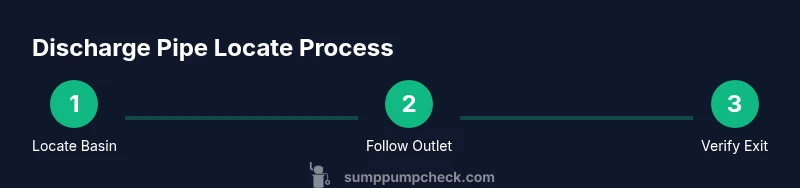
Start by locating the sump basin in the basement or crawl space. From the outlet or elbow on the basin, follow the pipe as it travels toward a wall or cabinet, noting any joints, tees, or check valves. If the pipe disappears into a wall cavity, inspect adjacent areas such as behind shelves or under utilities to find where it re-emerges. Continue tracing until you reach the exterior foundation or a visible wall outlet. If you cannot locate the exit, inspect both sides of the foundation and check for a secondary route along a footer or crawl space. Document each segment with a quick sketch and photos.
Tracing the discharge path outdoors and away from the house
With the indoor path identified, move to the exterior and look for the pipe’s exit point. Exterior pipes often end in a splash block, a gravity-fed outlet, or a small vented elbow that directs flow away from the foundation. Check around the perimeter for condensate lines, utility cracks, or loose fittings that could indicate a recent reroute. Ensure the outlet directs water away from the house at a safe distance and that grass or soil around the exit remains undisturbed. If you see a downspout connected to the discharge line, confirm it does not vent rainwater into the sump system, which can create backflow issues.
Verifying discharge flow and testing
After mapping the path, perform a controlled test. Slowly pour water into the sump basin or simulate normal pump operation while observing the discharge route. Watch the exterior exit to confirm a steady flow and no leaks or backflow toward the foundation. If water pools near the foundation, consider extending the discharge to a safer area using approved fittings and a splash block. Have a helper watch the exterior while you monitor the interior to confirm the flow path remains unobstructed. This test helps catch blockages or misrouting before a heavy rainfall event.
Common problems and fixes
Discharge pipes can clog with sediment, flush debris into the line, freeze in cold weather, or be redirected improperly. A clogged pipe often shows slow drainage inside the basin and a damp, soggy ground near the outlet. If you find a blockage, carefully remove the obstruction without forcing the pipe. If the exit is blocked or damaged, replace the affected section with compatible PVC or metal pipe and ensure proper slope for gravity flow. Always verify that the discharge does not endanger pets, landscaping, or nearby utilities. If you suspect sewer-related backflow, stop using the system and call a professional.
Maintenance tips to keep the discharge pipe clear
Schedule a yearly check of the discharge path, especially after storms or seasonal freezes. Remove debris from the exterior outlet and splash block, and ensure the area around the exit remains clear. Periodically inspect joints and clamps for signs of wear and replace worn components promptly. Keeping the path free of obstructions reduces pressure on the pump and extends its life. Finally, document the route in your home maintenance logs so future owners or contractors can locate it quickly.
Tools & Materials
- Flashlight(Bright LED preferred; hands-free if possible)
- Gloves(Waterproof work gloves recommended)
- Screwdriver set(Flathead and Phillips sizes common)
- Non-contact voltage tester(Optional for safety around electrical components)
- Measuring tape(Optional for documenting path length)
- Camera or notepad(Capture the route and label locations)
- Leak-safe dye or colorant(Optional to test water flow (use only with water))
- Bucket or container(To collect water if testing flow)
Steps
Estimated time: 45-60 minutes
- 1
Identify the sump basin location
Begin by locating the sump basin in the basement or crawl space. Look for the outlet or elbow where the discharge line begins. Note any labels, dirt, or corrosion that identify the pipe’s origin. This initial step sets the foundation for tracing the path.
Tip: Take a photo from multiple angles to create a reference map. - 2
Find the outlet pipe from the basin
Follow the pipe directly from the basin outlet toward visible pathways such as walls, cabinets, or utility spaces. Don’t assume it travels in a straight line; pipes often bend behind fixtures. Keep your hand on the pipe to feel for resistance that indicates a bend.
Tip: Use a flashlight to illuminate dark chases behind shelving. - 3
Follow the pipe toward the exterior
Continue tracing the pipe as it passes along studs, joists, or through cavities. Note any tees or hidden joints and document where each segment changes direction. If the pipe disappears into a wall, search adjacent compartments for re-emergence.
Tip: Pause to sketch a simple route map for later reference. - 4
Look for an exterior discharge point
Inspect the exterior wall area where foundations meet the ground for a PVC stub, elbow, or drain outlet. Some setups use a splash block or ground-level outlet; avoid stepping in shallow water during wet seasons. Confirm that the discharge exits away from windows or doors.
Tip: Check both sides of the foundation for potential exits. - 5
Check for a backflow preventer or check valve
Some systems include a valve that prevents backflow into the home. Locate any check valve along the discharge line and ensure it moves freely. Do not force a stuck valve; it may indicate a blockage or wear.
Tip: Test valve operation by gently moving the lever or flap. - 6
Perform a controlled water test
Pour water into the sump basin slowly and observe the discharge path. Look for smooth flow through the entire route and out the exterior exit. If you detect leaks or backflow, recheck pipe fittings and slope.
Tip: Have a second person watch the exterior outlet while you monitor interior flow. - 7
Verify drainage away from the foundation
Stand back and evaluate whether water is directed away from the foundation by a practical distance. If the flow seems to end near the foundation, consider extending the outlet with approved fittings and a splash block. Avoid directing water toward utility lines or sidewalks.
Tip: Avoid creating ice hazards in winter by ensuring clear drainage paths. - 8
Document the route and label
Label the pipe segments with tape or a marker and keep a simple diagram of the route and exit location. Store this information in your home maintenance log so future inspections are easier. Recheck after major rainfall or pump maintenance.
Tip: Photograph every labeled section for quick reference.
FAQ
What is a sump pump discharge pipe and what does it do?
The discharge pipe carries water pumped from the sump to a drain or outdoors, preventing water from pooling in the sump basin and reducing the risk of basement flooding. It should direct water away from the foundation.
The discharge pipe carries water from the sump to an outdoor drain, helping prevent basement flooding. It should route away from the house.
Where does a sump pump discharge pipe typically exit the home?
Typically through a foundation wall near ground level, sometimes continuing along the exterior until it reaches a safe drainage point. Some setups exit above grade to prevent freezing.
Usually through a foundation wall near ground level, then out to a safe drainage area.
What should I do if I can't locate the discharge pipe?
Trace from the sump outlet and inspect both sides of the foundation. Look behind walls or cabinets and check for hidden routes. If still missing, consult a licensed plumber or home inspector.
Trace from the sump outlet and check behind walls; if you still can't find it, get a pro to help.
Can I change where the discharge pipe ends or its path?
Yes, you can reroute with proper fittings, but avoid discharging near the foundation or into a sewer. Extend the pipe with approved fittings and ensure proper drainage away from living spaces.
You can reroute with proper fittings, but avoid the foundation or sewer outlets.
Is it safe to use dye testing to trace the discharge pipe?
Dye tracing can help identify the path, but use non-toxic dye and follow local codes. Stop if the colorings interfere with drainage or create a hazard.
Dye testing helps map the path if done safely and per code.
Watch Video
Top Takeaways
- Identify discharge path inside first to avoid guesswork
- Verify the exterior exit to prevent foundation damage
- Test flow safely and label for future maintenance
- Keep discharge area clear from obstructions
- Regularly inspect and maintain the discharge pipe