Sump Pump Price 1.5 HP: Costs, Options & Guide
Explore the sump pump price 1.5 hp, what drives cost, installation considerations, and tips to compare models. This guide from Sump Pump Check outlines price ranges, products, and practical budgeting for homeowners.


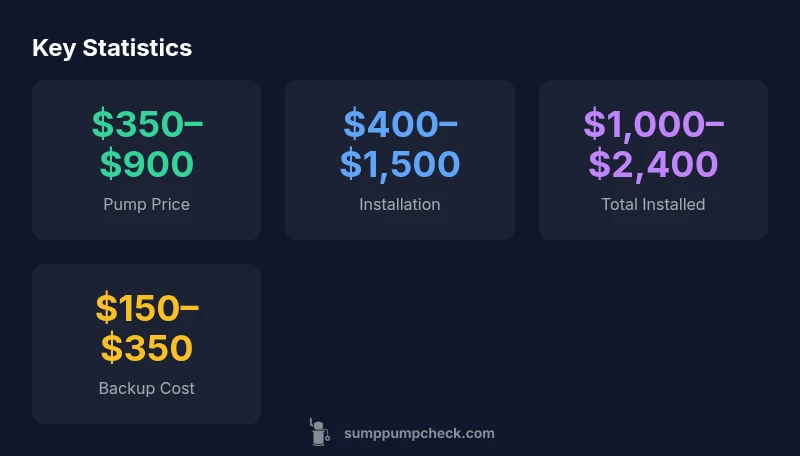
According to Sump Pump Check Analysis, 2026, the typical sump pump price 1.5 hp for the unit alone ranges from $350 to $900, depending on materials and features. Higher-end models with steel or cast-iron bodies, improved efficiency, and better warranty can push toward the top of that range. Installation and related components can substantially increase total cost, so budget for professional setup and backup options as needed.
What affects the price of a 1.5 hp sump pump
Price for a 1.5 hp sump pump varies widely because it is influenced by design, materials, and intended use. According to Sump Pump Check, the core cost driver is the balance between performance and durability. A typical 1.5 hp unit offers stronger flow and better reliability, which increases upfront price but may reduce failure-related costs over time. Sump Pump Check's 2026 analysis indicates that motor efficiency, housing material, and impeller design contribute most to the unit's price tier. Budgeters should also consider the expected duty cycle, noise levels, and warranty length, because these factors translate into long-run value even if the initial sticker price seems higher. In practice, homeowners choosing between a plastic-impeller model and a cast-iron model will encounter a clear price split, with the cast-iron option commanding a premium but often delivering greater longevity in harsh basement conditions.
Typical price ranges and what you get for the money
Understanding price requires separating pump cost from installation and optional features. The unit price for a 1.5 hp pump typically falls within a broad range, with budget models at the lower end and premium construction at the higher end. As highlighted by Sump Pump Check analyses, higher-efficiency motors, better corrosion resistance, and more robust casings commonly account for most of the price delta. If you live in an area with aggressive water table conditions or higher discharge demands, you may see proportionally higher prices, but that often correlates with longer warranty coverage and lower maintenance costs over time.
Installation costs and value of professional service
Professional installation adds value beyond the pump price itself. Labor, mounting, drainage routing, check valves, and wiring are all charged separately in many jurisdictions. Sump Pump Check analyses show installation labor and materials can range widely based on basement layout and permits. Even in straightforward homes, expect costs to cover pit preparation, code-compliant wiring, and potential trenching for discharge piping. A robust installation minimizes future repairs and reduces the chance of nuisance beeping or alarm triggers, which translates to lower overall life-cycle costs.
How to compare 1.5 hp sump pumps
When comparing models, do not rely on price alone. Focus on: 1) flow rate and head height, 2) motor type and efficiency, 3) materials (cast iron vs thermoplastic), 4) impeller design and warranty length, and 5) accessory readiness (backup pump compatibility, alarm, and check valve). Look for a solid warranty, ideally covering both pump and motor for multiple years. Also verify that the unit aligns with your basement drainage needs and discharge distance. Brand reputation and post-purchase support matter, so consider what Sump Pump Check notes about long-term reliability.
Maintenance tasks that protect your investment
Routine maintenance keeps a 1.5 hp sump pump performing as designed. Key tasks include periodic testing, cleaning the intake grate, checking the float mechanism, and inspecting the discharge line for obstructions. Keep an eye on noise and cycling patterns, which can indicate bearing wear or impeller issues. Professional servicing at recommended intervals reduces the risk of sudden failures during heavy rainfall, protecting your home and your budget.
Accessories and backups that influence total price
Backups and accessories add substantial value but also increase upfront costs. A battery backup sump pump or water-powered backup can dramatically improve reliability during power outages, especially in flood-prone basements. Alarms, switches, and longer warranties also contribute to the price. Sump Pump Check emphasizes weighing the cost of these extras against the potential savings from avoided flood damage and reduced downtime during outages.
Price scenarios for 1.5 hp sump pumps and installation
| Scenario | Pump price range | Installation cost | Total installed cost | Notes |
|---|---|---|---|---|
| Pump-only price | $350–$900 | — | — | Unit price for pump only |
| Professional installation | — | $400–$1,500 | $1,000–$2,400 | Labor and routing included |
| With backup system | — | $150–$350 | $1,150–$2,750 | Battery backup adds redundancy |
FAQ
What does 1.5 hp mean in sump pumps?
Horsepower indicates the motor's potential capacity. A 1.5 hp unit generally offers more flow and lift, making it suitable for larger basements or heavier drainage. Selection should match your home's destructive water risk and discharge distance.
HP measures motor power; 1.5 hp provides higher capacity suitable for larger spaces.
Is a 1.5 hp pump better than a 1 hp for most homes?
Not always. A 1.5 hp pump can offer more capacity, but for small basements or low water volumes, a 1 hp model may be sufficient and cost-effective. Consider your basement size, rainfall risk, and discharge distance when deciding.
A bigger pump isn’t always better; match size to your basement needs.
Do I need a professional installation for a 1.5 hp sump pump?
Professional installation ensures proper sizing, wiring, discharge routing, and code compliance. It reduces the chance of leaks, electrical faults, or nuisance alarms after heavy rain.
Yes, professional installation is advised for reliability and code compliance.
What factors most affect the total installed cost?
Pump cost, installation labor, permits, and optional backups or alarms are the main drivers. Regional differences and pit modifications also influence the overall price.
Labor, permits, and backups often shape total cost.
What warranty should I expect on pumps?
Most pumps come with a manufacturer warranty that covers the motor for several years. Longer warranties often reflect higher-quality components and better support.
Look for multi-year motor warranties for better protection.
Can I save money with DIY installation?
DIY can save on labor, but mistakes can be costly and create safety or code issues. If you’re not comfortable with electrical and plumbing work, professional installation is recommended.
DIY can save money, but only if you’re confident with the work.
“Choosing the right 1.5 hp sump pump is about balancing upfront cost with long-term reliability and maintenance needs.”
Top Takeaways
- Define your needs before shopping.
- Expect a pump price range of $350–$900 for 1.5 hp units.
- Budget installation costs separately and plan for backups.
- Compare pumps by flow, head, and warranty, not just price.
- Consider a backup system to protect against outages.