Sump Pump Cleaning Cost: What to Expect in 2026
Learn realistic sump pump cleaning cost ranges, what drives price, and how to budget for maintenance in 2026. Includes DIY vs professional insights, service fees, and cost-saving tips.


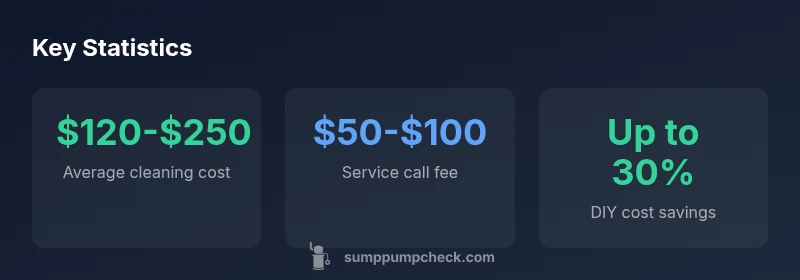
Typical sump pump cleaning costs in 2026 range from $120 to $250, depending on your location, technician rates, and whether any components—like the discharge line or check valve—need replacement. DIY cleaning is cheaper but risks missing clogs or hidden faults. Most homeowners pay toward the middle of the range when a full inspection and basic maintenance are included.
What influences sump pump cleaning cost
Pricing for the sump pump cleaning cost varies widely because the job's scope and local market conditions drive most of the price. Location matters: urban areas with higher labor rates tend to push the price toward the upper end of the range, while rural regions may be lower. The specific pump model and accessibility also influence cost; a submersible pump in a cramped basement requires more labor than a top-access unit in a utility room. The service scope matters: does the visit include a full inspection, belt or impeller check, motor evaluation, and discharge line assessment? If so, expect higher labor hours and perhaps an added fee for test pumping. Finally, whether parts like valves, gaskets, or seals need replacement during cleaning can push the total beyond the base cleaning fee. For homeowners, it's common to see the middle of the typical range when basic maintenance plus inspection is included.
Typical pricing components you should expect
Most homeowners see three main pricing layers: a fixed service call fee, labor time, and any parts or materials needed. Service call fees cover travel, diagnosis, and initial evaluation. Labor costs rise with job complexity, such as removing debris, flushing lines, or navigating tight crawl spaces. If a discharge line needs relocation, valve replacement, or seal fixes, those parts add to the bill. Waste disposal charges and after-hours rates can also affect the final price. When a job includes a full inspection, you’ll typically see a higher total that reflects the added value of identifying issues beyond cleaning.
DIY vs professional cleaning: value and risk
DIY sump pump cleaning can save money in the short term but carries risks. Improper disassembly, electrical hazards near water, or missing underlying issues can lead to costly repairs later. A professional technician brings electrical safety experience, proper tools, and a documented inspection that can deter future failures. If you plan to DIY, limit scope to safe maintenance tasks such as removing visible debris and confirming the pump operates, but schedule a professional check at least annually to catch hidden problems before they escalate.
Frequency and maintenance: how often and why it matters
Cleaning frequency directly influences long-term costs. In areas with high sediment or mineral buildup, more frequent cleanings prevent clogs that require deeper, pricier interventions later. A standard annual maintenance visit is common in many markets, especially for homes with older pumps. If you notice beeping, corrosion, reduced water discharge, or unusual noises, an earlier check is warranted. Regular maintenance can stabilize costs by reducing emergency service calls and extending pump life.
Regional variations and environmental factors
Cost variability often mirrors local wage trends and market competition. Regions with higher living costs or labor shortages tend to show broader price ranges. Environmental factors like groundwater sediment, well depth, and discharge distance can also affect time on site and, thus, price. Homes with long discharge runs or challenging access points frequently incur higher labor charges. Understanding these factors helps set realistic expectations when requesting quotes.
How to estimate costs for your home: a practical guide
Start by cataloging your pump type, access points, and any recent issues. Ask for a written quote that itemizes service call, labor hours, and any anticipated parts. Compare two or three reputable providers and ensure quotes include disposal and test pumping. Prepare a simple worksheet: baseline cleaning cost, service call, potential parts, and an estimated maintenance interval. This framework helps you benchmark quotes and negotiate confidently.
What to ask when you request quotes
To avoid surprises, ask about scope, inclusions, and timing. Questions include: Is the quote all-inclusive or will parts be billed separately? Does the quote include a post-cleaning test run and a basic inspection? Are there after-hours or emergency rates? What warranties accompany the service? Clarify the expected duration and whether a follow-up visit is included if issues persist.
Ways to reduce costs without sacrificing reliability
Bundle maintenance with other home-service visits to reduce travel costs. Consider scheduling annual preventative cleanings to keep issues from escalating. If you’re comfortable with basic maintenance, learn safe basic tasks such as debris removal and hose flushing, then rely on a pro for the inspection. Ask about financing options or seasonal discounts, and always verify that parts and disposal are transparent in the quote.
Cost breakdown for sump pump cleaning services
| Service Type | Typical Range (USD) | What It Includes |
|---|---|---|
| Cleaning visit (standard) | "$120-$250" | "Inspection, debris removal, basic flush" |
| Disassembly/cleaning tough clogs | "$200-$350" | "Parts inspection, deeper cleaning, check valve" |
| Emergency/after-hours cleaning | "$150-$300" | "Priority service, quick turnaround" |
| Parts replacement (if needed) | "$50-$150" | "Valve, seal, or impeller as required" |
FAQ
What is included in sump pump cleaning?
Most cleaning includes debris removal, flushing the impeller, and a component inspection for wear. Expect a test run to verify proper discharge.
Most cleaning covers debris removal, flushing the impeller, and a quick inspection, plus a test run to verify discharge.
Does cleaning cost include parts replacement?
Parts replacement is usually billed separately unless the quote specifies a bundled package. Common extras include valves or seals if worn.
Parts replacement is usually extra unless the bundle includes it; valves and seals are common add-ons.
How often should sump pumps be cleaned?
A typical home benefits from an annual cleaning, with more frequent service if you have high sediment or frequent beeping.
Most homes should have an annual cleaning, more often if you see beeps or clogs.
Can I clean a sump pump myself safely?
Basic cleaning can be DIY if you follow safety guidelines, but avoid electrical work near water and never disassemble the motor.
Yes, some steps are safe for DIY, but avoid electrical work and disassembly of the motor.
Why do cleaning costs vary so much?
Costs vary due to location, pump accessibility, service scope, and whether emergency or after-hours work is needed.
Prices depend on where you live, how accessible the pump is, and what the job includes.
Are there hidden fees I should expect?
Some quotes add disposal charges, travel fees, or after-hours premiums. Always request a fully itemized estimate.
Yes—watch for disposal, travel, or after-hours charges and request a detailed quote.
“Regular professional cleaning helps prevent clogs and motor strain, extending pump life. A clear maintenance plan now saves expensive repairs later.”
Top Takeaways
- Get a firm estimate before any visit to avoid surprises.
- Expect cleaning to cost more when parts replacement or deep cleaning is required.
- DIY cleaning saves money but risks missing hidden issues that professional inspections catch.
- Regular maintenance stabilizes long-term costs and reduces emergency repairs.
- Ask for a written scope and warranty for peace of mind.