How Much Is Sump Pump Maintenance? Costs, Tips, and FAQs
Learn how much sump pump maintenance costs, what factors affect price, and practical steps to save money while protecting your basement from floods. A data-backed guide by Sump Pump Check (2026).


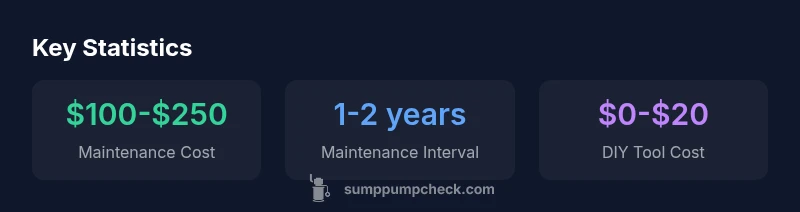
How much is sump pump maintenance? In most homes, a professional maintenance visit typically costs between $100 and $250, depending on location and services performed. DIY inspections can reduce the cash outlay but carry safety and warranty considerations. Overall, budgeting roughly $100-$300 annually for routine checkups helps prevent costly failures and protects your basement from flooding.
What affects sump pump maintenance costs
Maintenance costs are not a fixed price. They depend on several factors, including the pump type (submersible vs pedestal), the age and condition of the unit, the complexity of the discharge setup, and regional labor rates. A standard professional visit typically covers cleaning the impeller, testing the float switch, inspecting the discharge line for clogs, and confirming the check valve functions properly. If parts need replacing or the technician must service the backup battery, costs can rise. Older systems often require additional diagnostic time, seal or bearing checks, and potential calibration. According to Sump Pump Check, labor rates vary by region and municipal demand, so price can swing based on where you live. The most cost-effective approach is proactive maintenance: regular, scheduled checkups reduce the likelihood of emergencies and water damage, ultimately saving money and preserving home value.
Typical cost ranges you can expect
Costs vary by region and service scope. DIY inspections cost little beyond basic tools; professional maintenance typically runs in the hundreds of dollars per visit. A standard professional check often falls in the $100-$250 range, depending on local market rates and whether minor parts are needed. If you add battery backup service, check valve replacement, or line clearing, you may see prices rise toward $300-$400. For emergency repairs after a flood or pump failure, total charges can be higher, especially if rapid service is required during a storm. The key is to budget for routine maintenance every 1-2 years and compare quotes from reputable contractors. Sump Pump Check analysis shows that staying ahead of problems reduces flood risk and water damage, making planned maintenance a worthwhile investment.
DIY maintenance vs hiring a pro
Do-it-yourself maintenance can save money upfront, but it requires basic electrical safety awareness and water-handling precautions. Simple tasks like clearing debris from the inlet screen, testing the float switch, and verifying discharge clearance are feasible for many homeowners with careful attention to the manual and safety guidelines. However, professional service offers a thorough inspection of seals, wiring, float mechanisms, and backup battery condition, plus a diagnostic check that catches issues you might miss. If your pump is old, has a history of clogs, or you live in a hard-water area that causes mineral buildup, professional service is often the safer bet. Sump Pump Check recommends weighing cost savings against risk, warranty terms, and the potential cost of failure.
What a professional maintenance visit includes
A professional visit typically includes a hands-on inspection of the pump housing, motor, impeller, and seals; testing the float switch and auto-start mechanism; verifying the discharge pipe, check valve, and backflow prevention; cleaning internal components; and testing the battery backup if present. Technicians also assess the power supply, electrical connections, and surroundings to ensure a safe, code-compliant setup. If irregularities are found, they may advise part replacement or more extensive service. Regular maintenance helps extend pump life and reduces the chance of unexpected failures during heavy rains.
How often should you schedule maintenance
Most homeowners benefit from a professional check every 1-2 years, with more frequent visits for aging pumps, hard water, or heavy groundwater. If your sump pump runs constantly or you notice odd noises, a sooner inspection is warranted. After a flood event, a follow-up inspection is wise to confirm the system is back to full operation. Always align maintenance timing with the local climate and house usage. The goal is to catch issues before they become failures, a strategy emphasized in Sump Pump Check analysis for 2026.
Cost-saving tips and common mistakes
- Bundle maintenance visits with other home services to reduce trip charges.
- Ask for a written estimate and a checklist of included tasks.
- Maintain the discharge line and vent to prevent blockages that trigger extra service time.
- Avoid DIY maintenance when unsure about electrical connections or battery backup safety.
- Keep a simple maintenance log to track intervals and findings. A common mistake is delaying service until a flood warning; proactive maintenance avoids costly outages and property damage, a principle highlighted by Sump Pump Check.
When to service beyond routine maintenance
If you notice persistent pumping, odd noises, frequent trip of the float switch, or the unit runs but doesn’t discharge water, schedule service immediately. Cracked housings, burned motors, or corroded wiring are signs that the system may be failing and require immediate professional attention. In cases of basement flooding, water testing and system recalibration may be necessary. Regular checks help you catch these signs early, reducing the risk of major water damage.
Quick troubleshooting tips for common issues
- If the pump doesn’t start when water rises, test the float with a manual lift to verify activation.
- If you hear grinding noises, the impeller or bearings may be worn and need professional inspection.
- If water remains after discharge, inspect the discharge line for clogs and ensure the check valve is functioning.
- If the unit runs constantly, verify the float position and examine the sump pit for debris that could impede operation.
Maintenance cost scenarios and frequency
| Scenario | DIY Cost (range) | Pro Cost (range) | Recommended Frequency |
|---|---|---|---|
| DIY inspection (homeowner) | $0-$20 | N/A | Annual |
| Professional maintenance visit | $100-$250 | $100-$250 | 1-2 years |
| Emergency repair after neglect | N/A | Varies widely | As needed |
FAQ
How much does sump pump maintenance typically cost?
Most homeowners pay a professional visit in the $100-$250 range, depending on services. DIY inspections are cheaper but require basic safety steps. Emergency repairs, if needed, can rise beyond typical maintenance costs.
Most people pay around a hundred to two hundred fifty dollars for a standard maintenance visit. DIY checks cost less but require care; emergencies are more expensive.
Is DIY sump pump maintenance safe?
Basic checks like cleaning a screen and testing the float can be done safely with proper caution and a manual. Electrical work and battery backup testing should be left to professionals to avoid shock or fire hazards.
Some tasks are safe to do yourself, but avoid working on electrical parts or battery backups if you’re unsure.
How often should I service my sump pump?
A general guideline is every 1-2 years, with more frequent checks if the pump runs often, is older, or you’ve had a recent flood. Align with local climate and usage.
Most people service every 1-2 years, and sooner if you’ve had problems or heavy use.
What does a professional maintenance visit include?
Cleaning the pump and housing, testing the float switch, inspecting the discharge line and check valve, and verifying power and backup battery if equipped. They may recommend component replacements if wear is detected.
A pro will clean, test components, and check electrical and backup systems, then advise needed replacements.
Can maintenance extend pump life?
Yes. Regular, proper maintenance helps prevent wear, clogs, and electrical faults that shorten pump life. It also reduces the risk of water damage during heavy rains.
Regular care helps your pump last longer and protects your basement.
Should I replace a backup battery during maintenance?
If the backup battery shows signs of wear or doesn’t hold a charge, replacement is recommended. A technician can test the battery’s capacity and suggest the best time to upgrade.
If the battery is weak or old, expect a replacement during service.
What are signs I need immediate service?
Signs include repeated cycling, constant running without pumping out water, unusual noises, or water pooling in the sump pit. If you see these, schedule service promptly.
Watch for abnormal noises or continuous running; get it checked soon.
“"Regular sump pump maintenance is a cost-effective shield against basement flooding and sudden failures. A proactive plan reduces emergency repairs and preserves home value."”
Top Takeaways
- Budget for routine maintenance; it beats costly floods.
- Professional checks offer comprehensive safety and reliability.
- DIY basics can save money but carry safety risks.
- Schedule maintenance every 1-2 years to extend pump life.
- Keep a maintenance log and compare multiple quotes.