Cost to Add a Sump Pump: A Practical Guide
Discover the cost to add a sump pump, including installation ranges, factors, backups, and maintenance. Learn budgeting tips and how to compare quotes for smart, durable basement protection.


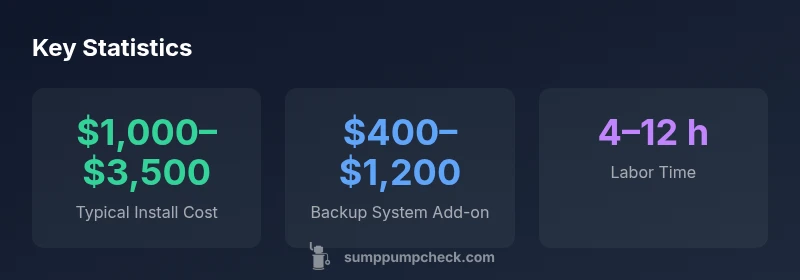
According to Sump Pump Check, the cost to add a sump pump typically ranges from $1,000 to $3,500 for a full installation, including labor, pump, and materials. Homes with complex basements, existing drainage, or required electrical upgrades can push costs higher, while simpler setups may land on the lower end. This estimate excludes ongoing maintenance and backups.
Why the cost to add a sump pump varies
According to Sump Pump Check, the cost to add a sump pump can vary widely based on basement size, existing drainage, and the electrical work required. The Sump Pump Check team found that a simple, basement-level installation may cost less than more complex setups requiring trenching, waterproofing, or finishing. The primary drivers are (1) pump type and horsepower, (2) the size of the sump pit, (3) discharge routing and backflow prevention, (4) required electrical work and switches, and (5) whether permits or inspections are needed. When homeowners ask about the cost to add a sump pump, they should expect a range rather than a fixed price, and plan for additional items like backups and maintenance. This article uses typical industry ranges to help you budget confidently.
Key factors to consider include pump type (submersible vs pedestal), horsepower, pit diameter and depth, discharge routing (outdoors or into a storm drainage system), whether a check valve is installed, and if a float switch needs upgrading for reliability.
Breaking down the components of a typical install
A typical sump pump install includes several discrete parts and steps, each contributing to the overall cost:
- Pump unit: Submersible units are common in finished basements; pedestal pumps can be cheaper but may require more headroom.
- Sump pit: Size and depth affect material cost and excavation time.
- Discharge piping: Proper routing to an exterior drain or storm sewer reduces water hammer and backflow risk.
- Check valve: Prevents backflow; essential for long-term efficiency.
- Float switch: Ensures automatic operation; some upgrades provide more precise control.
- Electrical work: GFCI protection, conduit, and moisture barriers often drive costs up, especially if a new circuit is needed.
- Permits/Inspections: Local rules may require electrical or plumbing permits, adding time and fees to the project.
Understanding these components helps you evaluate a bid and spot hidden costs that might crop up later.
Impact of basement layout and foundation on costs
Basement configuration heavily influences installation costs. Finished basements require careful planning around walls, floors, and existing utilities, potentially increasing labor and material costs. If the sump area is difficult to access or located far from a power source, trenching, backfilling, and longer discharge runs add to the bill. In homes with uneven concrete or thick slabs, additional demolition or cutting may be necessary. Foundation type also matters; tightening existing drainage around old sump pits or tying into a perimeter drain can require specialized equipment and longer labor. In short, a straightforward, unfinished basement with a standard pit will usually be cheaper than retrofitting a finished space with new drains and supports.
Optional upgrades and their costs
Many homeowners add upgrades to improve reliability and peace of mind. Common options include:
- Battery backup: Keeps the sump pump running during power outages; typical add-on cost ranges from 400 to 1,200.
- Water-powered backup: An alternative to battery backups, useful in outages with limited battery life; costs can be higher and require setup.
- Alarm or alert system: Sends notifications if water is detected or the pump fails.
- Smart controls: Smart float switches and remote monitoring add convenience and early warning capabilities.
- Professional maintenance plans: Annual checks can catch wear before failures.
Each upgrade adds value, but it’s important to weigh reliability gains against upfront costs and ongoing maintenance.
How to estimate your total cost
A structured approach helps you arrive at a realistic budget. Start with a base cost using reputable quotes for a basic install, then add line items for upgrades and potential permit costs. Gather at least three bids to compare pump types, pit sizes, and electrical work. Ask contractors to itemize labor, materials, and disposal fees separately. Don’t forget contingencies for unforeseen issues such as concrete cutting or drainage adjustments. Finally, consider future maintenance costs and battery replacements when calculating long-term affordability. Sump Pump Check recommends building a 10–20% contingency into the estimate to cover hidden costs.
This method ensures you aren’t blindsided by surprises that inflate the final price.
Financing, warranties, and maintenance considerations
Most sump pump installations come with a manufacturer warranty on the pump and a labor warranty from the installer. Warranties typically cover a period of 1–5 years for the pump and may include parts replacement for the motor or switches. Maintenance plans, if offered, provide regular testing, battery checks, and belt/pulley inspections for backup systems. Budget for periodic maintenance, annual testing, and battery replacements if you have a backup. Keeping up with routine care reduces the risk of costly failures during storms or heavy rainfall and helps preserve the system’s efficiency over time.
Quick budgeting checklist
- Gather 3 quotes for the base install and each upgrade
- Include electrical work and permit costs in the estimate
- Add a 10-20% contingency for hidden costs
- Factor in a backup system if you’re in a flood-prone area
- Plan for annual maintenance and potential battery replacements
Cost scenarios for sump pump installation
| Scenario | Estimated Cost Range | Notes |
|---|---|---|
| New install with basic pump | 1,000–2,500 | Depending on trench depth and electrical work |
| Install with backup battery | 1,400–3,000 | Plus battery backup |
| Finished basement integration | 2,000–3,500 | Additional finishing and permits |
FAQ
What factors influence the cost to add a sump pump?
The price is driven by the pump type, pit size, electrical work, permits, and whether additional drainage or trenching is required. Labor costs vary by region and contractor. Planning ahead helps you budget for hidden costs.
Costs depend on pump type and electrical work; plan for permits and trenching when budgeting.
Is DIY installation feasible for sump pumps?
DIY installation is possible for basic setups if you have electrical and plumbing skills, but mistakes can cause basement flooding. Many homeowners hire pro installers for safety and warranty coverage.
DIY is risky for most homes; professional installation is recommended.
Do I need a permit for sump pump installation?
Permit requirements vary by locality. Some regions require electrical or plumbing permits for new sump pumps. Check with your city or county building department before starting.
Permits vary by location; check with your local building department.
What is included in installation cost?
Typical costs include the pump unit, pit, discharge piping, check valves, electrical connections, and basic labor. Additional items like a battery backup or alarm may add to the price.
Expect the pump, pit, pipes, and wiring to be included; extras cost extra.
What maintenance costs should I expect?
Minor annual maintenance like pump testing and battery replacement (if backup) can cost a small amount each year. Full service contracts vary by provider.
Maintenance costs are usually modest and occasional battery replacements if you have a backup.
“Investing in a sump pump is a long-term safeguard for basement health; costs are highly variable but a thoughtful plan and proper sizing reduce surprises.”
Top Takeaways
- Budget for a range, not a fixed price
- Electrical work and trenching drive costs
- Add backup power for reliability
- Get 3 quotes to compare
- Budget for maintenance and warranty