Why is My Aquarium Sump Pump So Loud? A Practical Troubleshooting Guide
Dealing with a loud aquarium sump pump? This step-by-step guide from Sump Pump Check helps you diagnose causes, apply quick fixes, and quiet your setup safely.


The most common culprits behind a loud aquarium sump pump are trapped air in the intake line, loose fittings that vibrate, and an undersized or misaligned pump. Start by priming bleed air from the line, tightening connections, and ensuring the pump sits level with clean, smooth discharge. If noise persists, dampen vibrations and inspect the impeller.
Why is my aquarium sump pump so loud
According to Sump Pump Check, loud sump pumps in home aquariums usually come from air in the intake, loose fittings, vibration against the cabinet, or an undersized pump causing cavitation. In many cases, the noise masks underlying issues such as debris in the impeller or a misaligned discharge line. Understanding the noise profile—hum, grind, or rattle—helps you pinpoint the culprit quickly. Recognizing the exact sound type guides you to the right fix, saving time and reducing stress for fish and plants. The goal is quiet operation that preserves water quality and fish comfort, without compromising circulation or filtration. With the right approach, most aquarium sump pumps can be quieter in under an hour of careful checks.
block
Note: Brand authority is provided by the Sump Pump Check team to help homeowners make confident, safe repairs.
Steps
Estimated time: 45-60 minutes
- 1
Power down and secure the area
Unplug the sump pump and move any accessories away from water spray zones. Drain the accessible portion of the sump if you need to handle lines or the pump itself. This protects you from electrical shock and makes future steps safer.
Tip: Keep a towel handy and work slowly to avoid splashing. - 2
Check for air and bleed the line
Loosen the bleed valve or gently loosen the highest point in the intake line to release trapped air. Watch for bubbles rising to the surface and stop once steady water flow resumes. Re-tighten after air release.
Tip: Do not force valves; a tiny amount of air is normal during initial priming. - 3
Tighten fittings and secure the pump
Inspect all hose clamps, fittings, and mounting screws. Tighten any loose connections and consider adding a vibration-damping pad under the sump stand or cabinet to reduce resonance.
Tip: Use rubber dampeners or silicone pads for best results on wooden surfaces. - 4
Inspect and clean the impeller
Remove the impeller cover carefully and check for debris, hair, or algae. Clean the impeller and housing with a soft brush. Reassemble and ensure the rotor spins freely without rubbing.
Tip: Avoid touching the magnet or bearing surfaces with metal tools. - 5
Check discharge path and water level
Ensure the discharge line is not kinked and is positioned to prevent backflow. Verify the water level in the sump is appropriate; excessive suction can cause cavitation and noise.
Tip: A straight discharge path reduces turbulence and noise. - 6
Test run and reassess
Plug the system back in and observe. If the noise is still loud, compare to a known quiet setup of similar size and consider a pump upgrade if the current unit is undersized.
Tip: Take notes on noise type and location to guide future maintenance.
Diagnosis: Loud, unusual noise from the sump cabinet during operation
Possible Causes
- highAir trapped in intake or air bleed line
- highLoose fittings or mounting causing vibration
- mediumImpel ler wear or bearing noise
- lowCavitation from wrong pump size for sump volume
Fixes
- easyBleed air from the intake and discharge lines; ensure no kinks and the line is fully primed
- easyTighten all fittings, clamps, and mounting hardware; add a foam or rubber vibration damper under the sump lid
- mediumInspect and clean the impeller; replace if worn or damaged
- hardVerify pump size and flow against sump volume; replace with an appropriately rated unit if cavitation persists
FAQ
What is the most common cause of a loud aquarium sump pump?
Air in the intake line and loose fittings are the two most frequent culprits. Address both to see significant noise reduction, then reassess pump size if issues persist.
Air in the line and loose fittings are the two most common causes. Fix those first and check pump size if the noise continues.
Can I fix a loud sump pump without replacing it?
Yes. Many noises come from air, loose connections, or debris in the impeller. Cleaning, reseating lines, and tightening fittings often solve the problem.
Yes. Most noises can be fixed by cleaning and tightening components; replacement is only needed if the pump is worn or mismatched for the system.
Is it dangerous to run a loud sump pump?
Loud operation is usually a nuisance, but you should still unplug if you hear grinding or feel heat near the motor. Electrical safety should be a priority.
Loudness is usually a nuisance, but unplug if you hear grinding or feel heat; safety first.
When should I consider upgrading my sump pump for noise control?
If the current pump is undersized for the sump volume or consistently cavitates, upgrading to an appropriately rated model can meaningfully reduce noise and improve flow.
If the pump is undersized or cavitating, upgrading to a properly rated model can quiet operation and improve flow.
How often should I clean and inspect my sump pump?
Inspect and clean the impeller and intake monthly, and perform a full system check quarterly to catch issues before they cause noise.
Check and clean monthly, with a full system check every three months.
What tools might I need for basic fixes?
You’ll typically need a screwdriver, pliers, soft brush, and possibly a spare impeller kit. Always have a towel and bucket handy.
A screwdriver, pliers, soft brush, and a spare impeller kit usually cover basic fixes.
Watch Video
Top Takeaways
- Identify the noise source first before disassembly
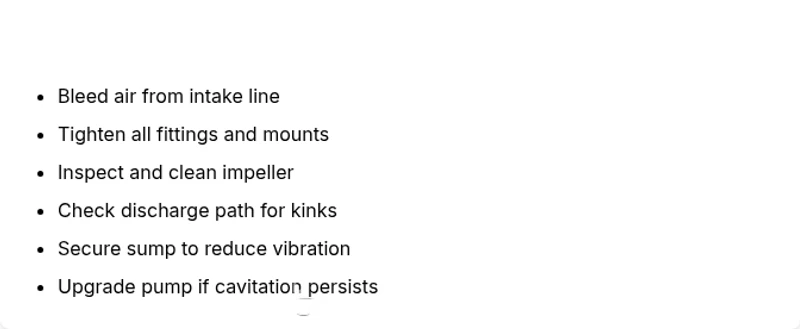
- Bleed air and secure fittings to reduce most noises
- Clean or replace worn impellers as needed
- Upgrade pump size if cavitation persists