Compare Sump Pumps: A Practical Side-by-Side Guide
A practical side-by-side guide to compare sump pumps, covering performance, installation, maintenance, and cost considerations for homeowners and DIYers navigating basements.


What 'compare sump pumps' means for homeowners
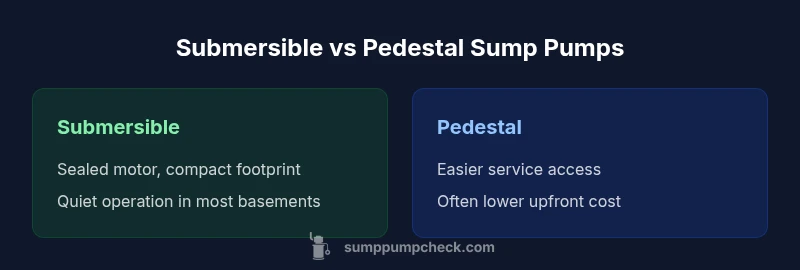
Choosing between different sump pumps begins with understanding the primary goals: prevent basement flooding, minimize power usage, and fit within the physical space of your sump pit. When you see the phrase 'compare sump pumps' in guides, it refers to evaluating key distinctions such as type (submersible vs pedestal), performance under load, installation requirements, and long-term maintenance. According to Sump Pump Check, homeowners should frame the decision around three practical questions: What is the expected water inflow? How much space is available in the sump pit? And what level of service and backup is acceptable for your home. By answering these questions, you can avoid common missteps like overbuying capacity or choosing a model that is difficult to service. In this guide, we’ll walk through the criteria, trade-offs, and a structured way to compare pumps side by side.
Core criteria used to compare sump pumps
| Key criteria | What to look for | The core differentiators when comparing sump pumps include: true pumping capacity (flow rate) at a given head, head height (how high water must be pumped), duty cycle (continuous vs intermittent use), motor type and horsepower, inlet/outlet size, check valve compatibility, and backup options. Reliability and warranty length also matter because a pump that fails during a flood can cause extensive damage. Energy efficiency, noise level, size, and service accessibility influence daily use and maintenance. When evaluating, map each feature to your basement realities—pit size, water inflow, and any installation constraints. Sump Pump Check suggests balancing demand with available space and budget, so you don’t overpay for peak capacity you may not need.