Sump Pump How to Choose: A Practical Guide for Homeowners
Learn how to choose a sump pump with practical steps, sizing guidance, and installation considerations. This guide from Sump Pump Check helps homeowners assess needs, compare types, and plan for backup power to protect basements.


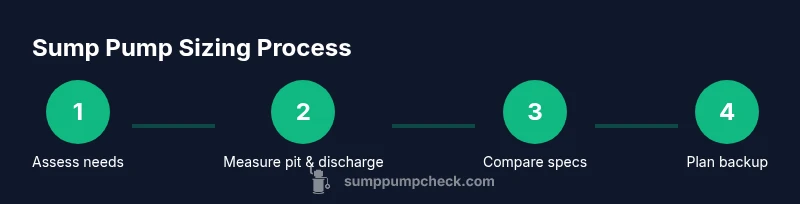
Choosing the right sump pump starts with assessing basement conditions, discharge needs, and power options. This quick guide provides a step-by-step path to compare pump types, sizing, and backup features so you can select a reliable unit that protects your basement from water damage. By understanding your pit size, typical rainfall, and discharge distance, you’ll know whether a submersible or pedestal model fits best and if a battery backup is worth it.
Why getting the right sump pump matters
Choosing a sump pump is not just about picking the biggest unit you see. The right pump protects your basement, preserves belongings, and reduces worry during storms. For homeowners, the decision hinges on pit size, expected water volume, discharge path, and reliable power. The Sump Pump Check team emphasizes that many failures occur when people underestimate flow needs or skip backups. In short, a well-matched pump minimizes nuisance alarms, reduces repair costs, and keeps moisture from creeping into living spaces. As you read, you’ll see how to match a pump’s capacity to your specific basement conditions, select the right type, and plan for outages so you stay dry when storms arrive. This approach aligns with the core goal of sump pump how to choose: a practical, evidence-based path to a durable, low-maintenance solution.
Key factors to evaluate when choosing a sump pump
When you start the search, several core factors determine performance and longevity. Flow rate (how many gallons per minute it can move) should match the expected water volume in your basement. Total dynamic head (TDH) accounts for vertical lift and pipe friction; a pump with a higher TDH often performs better on long discharge runs. Pump type matters: submersible units sit in the pit and stay underwater, while pedestal models stand above the pit and are easier to service. Check valve presence prevents backflow, and a properly installed check valve prevents air-locking. Power options include main electrical supply and optional battery backup for outages. Look for a model with a good warranty, corrosion-resistant materials, and compatible fittings for your discharge pipe. Finally, consider noise, vibration, and ease of installation—quiet operation is a real comfort in living spaces.
Pump types: Submersible vs pedestal
Submersible sump pumps are designed to live inside the sump pit, fully submerged in water. They tend to run quieter and are ideal for finished basements where noise matters. Pedestal pumps stand above the pit, making maintenance easier but typically producing a bit more noise. The best choice depends on your pit size, ceiling height, and accessibility for service. In basements with shallow pits or tight spaces, a compact submersible model often delivers the best balance of performance and space. For garages or unfinished spaces where sound is less of a concern, a pedestal pump can be a cost-effective option. Regardless of type, ensure the unit fits your discharge route and can be connected securely to a check valve.
Sizing and capacity: determining your needs
Sizing a sump pump involves estimating the likely water load and the head the system must overcome. Start with the pit size and the typical rainfall or groundwater influx for your area. Next, assess the vertical rise to the discharge point and any long horizontal runs. You don’t need exact calculations to begin: a rule of thumb is to look for a pump with a flow rate that exceeds your highest expected gpm and a TDH rating that comfortably covers your discharge height. Remember to account for occasional heavy downpours and snowmelt. While exact formulas can get technical, the practical takeaway is to choose a pump that can move more water than you expect under peak conditions, with headroom for longer discharge paths. The Sump Pump Check approach recommends comparing models using real-world testing or manufacturer charts to confirm your choice.
Essential features to look for
Beyond basic pumping capacity, look for features that improve reliability and ease of use. A robust check valve prevents backflow and air-locking, protecting your system from cycling issues. A float switch should offer reliable on/off control and be protected from debris. An audible or visual alarm helps you detect failures early. Automatic operation (no manual priming) is standard on most modern units, but ensure the control panel is simple. Backup power options, such as a battery backup or inverter, are valuable in power outages. Corrosion-resistant housings, thermal overload protection, and corrosion-resistant impellers extend life in humid basements. Finally, verify compatibility with your discharge pipe and any city or HOA requirements. A thoughtful feature set reduces maintenance headaches over time.
Installation considerations and maintenance outlook
Even with the right pump, installation details matter for performance and safety. Ensure the pump is level in a clean sump with adequate clearance for servicing. The discharge hose should slope away from the foundation and terminate where water is allowed to run off. A Ground Fault Circuit Interrupter (GFCI) outlet nearby protects against shock, and a dedicated circuit reduces nuisance tripping. Regular maintenance is essential: test the pump monthly by filling the pit with water, inspect the float mechanism for sticking, and clean the inlet screen to prevent clogging. Schedule annual checks for seals, check valves, and battery backups if used. The Sump Pump Check team notes that proactive maintenance is more cost-effective than emergency repairs after a flood.
Cost, warranties, and buying tips
Prices vary widely based on size, features, and backup options. Budget-conscious homeowners can find basic units in the low to mid range, while premium models with battery backups and advanced alarms sit in the higher end. Look for a solid warranty—at least a 2-year standard warranty, with longer coverage for motors and seals. When shopping, compare flow rates, TDH, and backup capabilities side by side. Check for compatibility with common discharge piping and confirm installation requirements in your area. Remember that investing a little more in a pump with a strong warranty and reliable backup can pay off through fewer outages and longer life. Sump Pump Check analysis shows that buyers who prioritize backups and maintenance plan out better in the long term.
Quick-start checklist
- Assess pit size and discharge path
- Note local rainfall and groundwater risk
- Decide between submersible and pedestal based on space and noise
- Check TDH and GPM ratings for your needs
- Confirm backup power options and alarms
- Plan for proper electrical and discharge piping
- Schedule testing and routine maintenance
Closing thoughts on deciding
Choosing a sump pump is about balancing capacity, reliability, and future protection. Take measurements, compare models with strong warranties, and consider backup options for outages. The most reliable choices are those that fit your pit, discharge route, and power setup while providing easy maintenance. The Sump Pump Check team emphasizes staying proactive: test regularly, inspect annually, and upgrade if your system shows signs of wear or if your basement drainage needs change over time.
Tools & Materials
- Measuring tape(To measure pit diameter/depth and discharge hose length)
- Notebook and pen(For jotting pit measurements, rainfall estimates, and model notes)
- Flashlight or headlamp(Inspect the sump pit and check valve area safely)
- Marker or pencil(Mark mounting points and discharge locations)
- Smartphone or tablet(Reference manufacturer specs and remote testing apps)
- Screwdriver set(Useful for minor disassembly or mounting brackets)
- Bucket and towel(Clean up spills during testing)
- Backup power option (battery backup kit)(Plan for outages if you live in flood-prone area)
- Discharge piping materials (PVC, fittings, clamps)(Ensure compatibility with chosen pump and local code)
Steps
Estimated time: 2-5 hours
- 1
Assess basement drainage needs
Survey the basement to estimate water volume during rain and snowmelt. Note the discharge path and potential blockage points. This early step guides pump sizing and backup planning.
Tip: Bring a notepad and measure the sump pit before shopping. - 2
Measure the sump pit and discharge distance
Measure pit diameter and depth; estimate vertical lift to the discharge point. Document the path to outside, including any bends or obstacles.
Tip: Record measurements precisely to compare pump curves accurately. - 3
Choose pump type and sizing
Decide between submersible and pedestal based on space, noise tolerance, and access for maintenance. Compare GPM and TDH ratings to your needs.
Tip: Prefer models with a higher TDH than the minimum requirement. - 4
Check electrical requirements and safety
Plan a dedicated, GFCI-protected outlet near the sump. Ensure proper wiring and a lightweight, moisture-safe connection.
Tip: Never power a sump pump from a shared circuit in damp areas. - 5
Plan for backup power
If outages are common, select a battery backup or dual-power option to maintain drainage during power failures.
Tip: Test the backup system regularly to confirm operation. - 6
Create a short comparison list
Compile 3–4 model options with key specs: flow rate, TDH, warranty, and backup features. Use side-by-side notes to decide.
Tip: Ask retailers for data sheets and real-world performance tests.
FAQ
What is the most important factor when choosing a sump pump?
The most important factor is ensuring the pump can handle your basement’s water volume with adequate headroom for discharge to the exterior. This often means matching the flow rate and TDH to the expected load.
The key factor is making sure the pump can move enough water for your basement, with enough headroom for the discharge path.
Should I buy a backup sump pump?
Yes, especially in flood-prone areas or places with power outages. A battery-backed unit provides protection when the main power fails, reducing flood risk.
Yes—backup power helps you stay dry when the lights go out.
What is the difference between submersible and pedestal pumps?
Submersible pumps sit in the basin and are quieter, great for finished basements. Pedestal pumps stand outside the basin and are easier to service but can be noisier.
Submersible is quieter and tucked in the pit; pedestal is easier to service but noisier.
How long do sump pumps typically last?
Most pumps last several years with proper maintenance; longevity depends on use, water quality, and how often you test and service the unit.
With good maintenance, a sump pump can last many years.
Can I install a sump pump myself?
Yes in many cases, but proper safety and code compliance are essential. Consider professional help for electrical connections and discharge planning.
You can install it yourself if you’re comfortable with plumbing and electrical work.
What maintenance does a sump pump require?
Regular tests, cleaning the inlet screen, checking the float operation, and inspecting the discharge path are key to reliable performance.
Test it monthly, clean the screen, and inspect the discharge.
Watch Video
Top Takeaways
- Match pump capacity to pit size and discharge path
- Prioritize backup power options for outages
- Test the system regularly and perform annual maintenance
- Choose a model with strong warranty and service network