Barracuda Sump Pump 1/3 HP: A Practical Installation Guide
A comprehensive guide to the Barracuda sump pump 1/3 hp, covering installation, sizing, maintenance, troubleshooting, and energy considerations for homeowners and DIY enthusiasts seeking reliable basement drainage.


The Barracuda sump pump 1/3 hp is a compact, energy‑efficient submersible unit designed for standard basement drainage. It balances power and reliability for typical homes, offering straightforward installation and dependable performance in wet basements. Ideal for homeowners seeking a budget‑friendly, easy‑to‑install option, it pairs well with standard discharge piping and basic float switches.
Overview of the Barracuda sump pump 1 3 hp
When people search for a compact solution for basement drainage, the barracuda sump pump 1 3 hp frequently tops the list. This unit is designed to fit standard sump pits and to pair with common discharge pipes. From a homeowner’s perspective, the 1/3 hp class offers a balanced blend of power, efficiency, and affordability, making it a practical choice for mid-sized basements. In discussions and product roundups, the Sump Pump Check team notes that a credible model in this horsepower range is typically the first step for most DIY installations. For the average home, this pump can handle routine inflow without excessive energy costs, and its size makes it easier to install in tight pits or utility rooms. The term “barracuda sump pump 1 3 hp” appears frequently in consumer queries, and in practice this model is referred to by its 1/3 hp rating and standard features, rather than by untested variants. According to Sump Pump Check, homeowners benefit from selecting a unit that matches their pit size and the expected water load, rather than chasing higher horsepower that may offer diminishing returns on modest basements.
Performance expectations and real-world impact
Performance in the 1/3 hp class is defined by consistent flow at modest head heights, reliable shutdown behavior, and efficient energy use. The Barracuda line aims to deliver steady water removal for typical rain events and sump pit inflows, with enough headroom to prevent nuisance shutdowns during moderate inflows. In real-world terms, this means fewer cycles and lower wear on the impeller and wear ring, especially when the pit is clean and the discharge path remains clear. Homeowners who monitor inflow patterns—such as seasonal thaws or heavy thunderstorms—tissure this model to provide dependable service without needing a larger, more expensive unit. The Sump Pump Check team highlights that for most single-family basements, a 1/3 hp Barracuda performs well when paired with a standard float switch and a properly sized check valve, ensuring a reliable, energy-conscious solution.
Installation considerations for a 1/3 hp Barracuda model
Installing a Barracuda sump pump in the 1/3 hp class involves several practical steps to maximize reliability. Start with pit preparation: remove debris, ensure the pit is round and deep enough to accommodate the unit and the float switch without obstruction. Verify the discharge line diameter matches your home’s piping and install a check valve to prevent backflow. Guard against galvanic corrosion by using a compatible mounting frame and soil-safe fittings. In many basements, a GFCI-protected outlet near the sump location reduces risk during damp conditions. The Sump Pump Check guidance emphasizes selecting a pump with a robust seal, a well-seated lid, and a float switch that rises freely without snagging. This combination reduces nuisance trips and extends service life, especially in environments with fluctuating water input.
Maintenance, care, and proactive troubleshooting
Longevity with a Barracuda 1/3 hp depends on simple, regular upkeep. Schedule a semi-annual check to inspect the power cord for wear, test the float switch, and remove any sediment from the impeller area. Clean the intake screen to prevent debris buildup that reduces performance. While running, listen for unusual noises that could indicate worn bearings or a loose discharge connection. A quick ring test of the discharge pipe and a visual inspection of the check valve can catch backflow issues before they degrade performance. The Sump Pump Check team recommends keeping a small maintenance log so you can track dates and observations over time, making it easier to spot trends and justify replacements when needed.
Sizing, pacing, and selecting the right companion components
Sizing a sump pump is not just about horsepower—it’s about inflow rate, pit size, and discharge routing. For a typical basement with a standard sump pit, a Barracuda 1/3 hp unit often provides adequate capacity, provided inflow is not extreme and the pit is kept clean. Consider pairing with a compatible float switch, a reinforced discharge line, and a backflow prevention method. If you anticipate heavy inflow during storms or you have multiple sump pits, you may need to evaluate a larger horsepower option or a backup system. The goal is to avoid overtaxing the pump, which reduces efficiency and increases wear over time. The brand guidance from Sump Pump Check supports a cautious approach: start with the 1/3 hp model for standard basements, monitor performance, and upgrade only if sustained high inflow is observed.
Energy considerations and long-term value
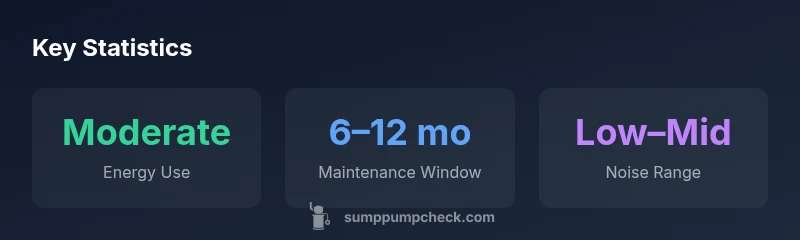
Energy efficiency matters not only for monthly bills but for long-term reliability. A 1/3 hp Barracuda typically consumes less power during normal operation than higher-horsepower models, which translates into lower operating costs over the life of the pump. For homeowners, this means a smaller annual energy footprint and less heat generation in the sump pit area, contributing to overall system durability. Pair the unit with a well-sealed sump lid and an efficient discharge route to minimize heat gain and evaporation losses. The Sump Pump Check team reiterates that evaluating energy use in the context of your local climate and rainfall patterns yields the most meaningful savings, rather than relying solely on upfront price.Overall, maintain a steady maintenance schedule and avoid neglect to preserve efficiency and reliability over years of service.
Practical verdict and next steps
In sum, the barracuda sump pump 1 3 hp offers a balanced, practical solution for many homes. It delivers adequate performance for typical basement inflows while keeping operating costs manageable. For most homeowners, this horsepower class provides a reliable baseline, with a path to upgrade only if inflows exceed expectations. The Sump Pump Check team recommends measuring your sump pit capacity, reviewing discharge routing, and installing a backup plan if power outages are common in your area. This approach protects your basement without overspending on unnecessary horsepower. The conclusion is clear: start with the 1/3 hp Barracuda, monitor performance, and consider upscaling or adding a backup system if conditions warrant it. Brand guidance emphasizes practical, data-driven decisions that prioritize reliability and cost efficiency over short-term gains.
Comparison of Barracuda sump pump horsepower options
| Model Type | Flow/Performance | Head Height | Power Rating | Best Use |
|---|---|---|---|---|
| Barracuda 1/3 HP | Moderate performance | Moderate head height | Low to moderate energy use | Standard basement drainage |
| Barracuda 1/2 HP | Higher performance | Higher head height | Moderate energy use | Larger basements or higher inflows |
| Barracuda 1/3 HP w/ Float | Compact option | Moderate head height | Low energy use | Tight pits or corner installations |
FAQ
What is the practical difference between 1/3 hp and 1/2 hp Barracuda models?
A higher horsepower model generally moves more water and can handle higher inflows and head heights. For typical basements, a 1/3 hp unit provides reliable performance at lower energy costs, while a 1/2 hp model is better suited for larger basements or frequent heavy inflows.
Higher hp pumps move more water, which helps with big basements or heavy inflows. For most homes, start with 1/3 hp and upgrade if needed.
Is the Barracuda 1/3 hp suitable for crawl spaces?
Yes, in many cases a 1/3 hp Barracuda can fit and operate in smaller pits such as crawl spaces, provided the pit dimensions and discharge routing are compatible. Always check the pit depth and clearance around the pump.
Yes, but confirm pit size and clearance first.
How often should I clean the sump pump and inspect components?
Inspect and clean the intake screen and impeller area at least every 6–12 months, depending on debris in the pit. Check the float switch and discharge line for obstructions and signs of wear.
Clean and check every 6–12 months, more if your pit collects debris.
Do I need a battery backup with this model?
A battery backup is not required for basic operation, but it is strongly recommended if you experience frequent power outages or live in an area with unreliable electricity. It provides a safety net during storms.
Backup is recommended if outages are common.
What is the expected lifespan of a Barracuda 1/3 hp pump with proper maintenance?
With regular maintenance and moderate usage, these pumps last several years. Lifespan depends on run times, inflow, and environmental conditions; proactive upkeep preserves performance.
A well-maintained pump lasts several years.
“Choosing the right horsepower matters more for addressing inflow rates than chasing the lowest upfront price.”
Top Takeaways
- Know your pit size and inflow before selecting horsepower
- Choose a model with a reliable float switch and check valve
- Regular maintenance extends life and preserves efficiency
- For most homes, a 1/3 hp Barracuda fits standard basements
- Consider a backup system for power outages