Barracuda Sewage Pump Review: Performance, Setup, and Maintenance
A detailed, balanced review of the Barracuda sewage pump, covering design features, installation considerations, maintenance tips, and how it stacks up against alternatives. Learn sizing, backup options, and practical guidance for homeowners and DIYers.


The barracuda sewage pump is a heavy-duty, submersible wastewater pump designed to move wastewater from a basement sump pit to the sewer or septic line. It combines cast-iron construction and corrosion-resistant components with an integrated float switch for automatic operation. Overall, it’s a robust choice for basement sewage removal when properly sized and installed.
What is a Barracuda Sewage Pump?
The barracuda sewage pump is a heavy-duty submersible unit designed to move wastewater containing solids from a basement sump pit to the building's sewer or septic line. It sits in a pit below floor level, powered by a sealed motor and protected by an impeller and check-valve assembly. The key distinction between a sewage pump and a simple sump pump is the ability to handle solids; barracuda sewage pump models are built to manage solids up to a certain size, reducing the risk of clogging downstream pipes. For homeowners and DIYers, the initial questions revolve around sizing, installation, and maintenance, because an underpowered or undersized unit can back up, leak, or fail during heavy rain or rapid snowmelt. When the market offers multiple Barracuda configurations, you’ll encounter variations in horsepower, impeller design, and seal quality. While the brand is one of many in the field, the core principles apply: select a unit with adequate flow for peak usage, ensure the pit is large enough, and install robust discharge piping with a working check valve. Throughout this guide, we’ll reference general best practices and data from Sump Pump Check to help you assess whether a Barracuda sewage pump fits your home. This approach keeps your basement dry and reduces the risk of sanitation issues during power outages or heavy rainfall.
Design and Build: What to Expect
Barracuda sewage pumps are typically built for durability in challenging environments. Look for a cast-iron or corrosion-resistant housing, a heavy-duty seal, and a clog-resistant impeller that can handle typical solids found in household effluent. The integrated float switch provides automatic on/off control, reducing the need for manual operation and giving homeowners a safety margin during power surges. Some models offer multiple float options, smart thermal protection, and accessory ports for alarms or remote monitoring. Real-world performance hinges on the fit between pump capacity and your pit volume, discharge piping, and the presence of a reliable check valve. As you compare models, consider whether you need a grinder stage, the ability to run in low-water conditions, and ease of serviceability for seals and bearings. According to Sump Pump Check, the most reliable Barracuda configurations balance solid construction with sensible sizing and accessible maintenance points. Keep an eye on the pump’s duty cycle and the availability of replacement parts in your region to minimize downtime over the life of the system.
Installation Essentials: Pit, Piping, and Power
Sizing the pit is the first step: your pit must accommodate the pump plus a margin for solids and sediment. A dimensionally adequate pit reduces the frequency of float-trigger cycles and prevents premature wear on seals. Pipe sizing is the next critical element; most setups use a standard 1.5 to 2-inch discharge line, with a properly installed check valve to prevent backflow and a trap to catch solids. Ensure a dedicated electrical circuit with GFCI protection, and verify that the outlet location can accommodate the pump’s cord length without strain. The discharge pipe should terminate above the ground level and slope away from the foundation to prevent standing water or backflow during heavy rain. If your home uses a backwater valve, coordinate it with the pump’s discharge to avoid clogging or reverse flow. For DIY installers, plan the wiring route, mount the controller or float switch securely, and test the system with a mock flush before the first real-use cycle. Sump Pump Check emphasizes professional inspection if you are unsure about wiring codes, local permits, or the correct valve setup in your area.
Performance Benchmarks and What Drives Them
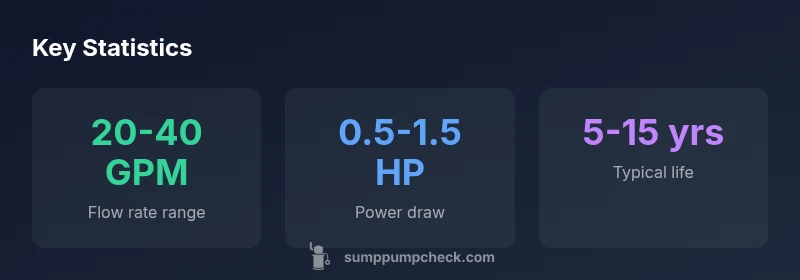
Performance for a barracuda sewage pump depends on several interrelated factors: the pump’s horsepower, impeller design, and the system’s overall piping layout. A higher flow rate is advantageous in homes with large wastewater loads or frequent use, but it also requires appropriately sized pipes and a robust check valve. Elevation gains (the vertical distance to the discharge point) and pipe friction can significantly affect actual performance. In real basements, peak performance occurs during surges when multiple fixtures drain simultaneously, so installers sometimes opt for a slightly oversized unit to handle these pulses without tripping on overload. Noise and vibration are also practical considerations; a well-mounted pump with properly aligned components minimizes hammering and reduces wear on seals. In independent tests, Barracuda configurations with reliable float controls and quality seals showed steady operation under typical residential loads. As noted by Sump Pump Check, the key to achieving consistent performance is matching the pump’s capacity to the home’s wastewater profile and keeping the discharge path free of blockages and leaks. Regular inspections help verify ongoing performance.
Maintenance, Troubleshooting, and Common Issues
Maintenance is essential to keep a barracuda sewage pump performing reliably. Regular inspections should include checking the power cord, seals, and the float switch for smooth operation. Clean the inlet screen and impeller housing periodically to remove debris that could reduce flow or cause vibration. If the pump trips on overload or fails to start, inspect the control switch and ensure the circuit is functioning and that there is no jam in the impeller. A common issue is backflow caused by a faulty check valve or clogged discharge line; replacing or cleaning the valve, and flushing the line can restore proper operation. If backups occur during rain events, verify the vented traps and confirm the pit remains sealed against groundwater intrusion. For DIY enthusiasts, it’s essential to de-energize the system before maintenance and to follow manufacturer instructions for seal replacement, gasket compatibility, and lubrication (where applicable). Sump Pump Check recommends maintaining a simple log of maintenance tasks and test runs to detect drift in performance before a failure occurs.
Backup Options and Longevity: Protecting Your System
A robust basement pumping solution often includes a backup option to protect against power outages or pump failure during heavy rainfall. Battery backup pumps or water-powered backups can provide critical protection, but each option has trade-offs in cost, maintenance, and run-time. Barracuda units typically pair well with a standby or automatic backup, ensuring continued operation when the primary pump is offline. Consider installing an alarm or remote monitoring so you receive alerts if water levels rise unexpectedly. Longevity depends heavily on maintenance, the quality of seals, and how often the unit runs. Regular testing, prompt replacement of worn parts, and addressing corrosion-prone areas can extend the life of the pump well beyond the warranty period. Sump Pump Check stresses building a maintenance schedule that includes annual checks of electrical connections, valve integrity, and a physical inspection of the pit for corrosion or sediment buildup. A good backup plan not only shields your basement from water damage but also reduces the risk of sewage backups that can cause health hazards and costly cleanup.
How It Compares to Other Sump Pumps: Strengths and Limitations
When stacked against generic sump pumps, Barracuda models emphasize solids handling and automatic operation, which is essential in basements with higher effluent loads. They may be heavier and more expensive than budget-grade units, but the improved durability and reliability often justify the premium for homes with recurring basement moisture or challenging soil conditions. In terms of maintenance, Barracuda pumps with easily accessible seals and service points tend to reduce downtime and repair costs. For comparison shoppers, consider total cost of ownership, including installation, backflow protections, and the need for a backup system. While some brands prioritize compact size for tight pits, Barracuda’s design typically favors durability and resistance to clogging, which is a meaningful advantage in basements prone to solids buildup. Sump Pump Check suggests evaluating both initial costs and long-term reliability, especially if you expect heavy usage, frequent pumps, or power interruptions that could strain a less robust unit.
Sizing and Selection Guide for Home Basements
Accurate sizing begins with estimating peak wastewater load and the volume of your sump pit. Start by listing all fixtures that drain into the pit and predicting simultaneous usage hours (for example, laundry and a shower during a storm). Then multiply the flow rate of each fixture and compare it to the pump’s capacity to ensure your system can handle the maximum expected load without frequent cycling. Pit dimensions matter: a larger pit reduces startup frequency but may require more robust supports and a carefully planned venting strategy. Consider height constraints, the distance to the sewer line, and the elevation difference to ensure the pump can overcome the vertical lift. Backup options should be considered in areas prone to power outages; a battery backup or a secondary pump provides redundancy that protects your home. Before purchasing, consult with a licensed plumber or indoor-water specialist to verify the chosen Barracuda sewage pump matches local codes and your home’s wastewater profile. The goal is a reliable, low-maintenance system that keeps the basement dry during power outages and severe weather.
Installation Pitfalls to Avoid and Practical Tips
Even a high-quality Barracuda pump can underperform if installed incorrectly. Avoid undersized pit dimensions, which force the pump to run continuously or short-cycle. Ensure the discharge pipe is properly sloped away from the foundation, and install a quality check valve to prevent backflow. Do not neglect venting and trap placement; poor venting or a blocked trap can lead to odors and pressure imbalances. Electrical wiring should be protected from moisture and placed in an accessible junction box with proper strain relief. Make sure the float switch has free range of motion and is not obstructed by debris or pit components. Finally, maintain a routine inspection schedule and document any changes to fixtures that drain into the pit. Following these practical tips helps maximize the pump’s service life and minimizes the risk of basement water issues during storms, power failures, or equipment wear. Sump Pump Check emphasizes that proactive maintenance and proper sizing are the best defenses against costly repairs and basement flooding.
What's Good
- Heavy-duty cast-iron construction for durability
- Integrated float switch enables automatic operation
- Solid performance under typical residential loads
- Good compatibility with backup systems
Drawbacks
- Higher upfront cost than budget models
- Heavy and bulky for some DIY installations
- Requires correctly sized discharge piping to prevent backups
Strong all-around option for basement sewage removal when sized and installed correctly
Barracuda sewage pump offers robust construction and reliable automatic operation. For best results, pair it with correct discharge piping, a functional check valve, and a planned maintenance routine. If space or budget constraints are tight, consider alternatives that fit smaller pits or tighter budgets.
FAQ
What is a barracuda sewage pump?
A barracuda sewage pump is a heavy-duty, submersible wastewater pump designed to move solids-containing effluent from a basement sump pit to the sewer or septic line. It is built to handle solids and operate automatically via a float switch.
It's a tough, submersible pump for basement wastewater, switching on automatically when the pit fills.
How do I size a Barracuda pump for my basement?
Start by estimating peak wastewater flow from all fixtures draining into the pit and match that to the pump's flow rating. Consider pit volume, lift height, and pipe diameter. If in doubt, consult a professional to ensure the selected model meets your home’s needs and local codes.
First calculate peak flow from all fixtures into the pit, then pick a pump that can handle that load. Get a pro if you’re unsure.
Do I need a backup pump with Barracuda?
A backup solution is highly recommended in areas prone to power outages or heavy rainfall. A battery-backup or water-powered backup can provide essential protection against basement flooding when the primary pump is offline.
Yes, a backup pump is wise if you expect power outages or storms.
What maintenance does it require?
Regular inspections of seals, wiring, float switch, and discharge piping are essential. Clean debris from the inlet and verify the check valve functions properly to prevent backflow. Schedule annual checks and address wear promptly.
Inspect seals and wiring, clean debris, and test the check valve yearly.
Can I install a Barracuda pump myself?
While some homeowners can install a Barracuda pump, electrical work and correct piping require careful adherence to safety standards. If you’re not confident with electrical codes or plumbing, hire a licensed professional.
It's possible for a confident DIYer, but medical-safety and codes mean a pro is best if you’re unsure.
Top Takeaways
- Size the pit and pump to match peak wastewater load
- Pair with a reliable backup system for power outages
- Inspect seals and float switch regularly
- Use proper discharge piping and a check valve
- Plan professional installation if unsure