Barracuda Sump Pump Review: Performance, Installation, and Value
An analytical review of the Barracuda sump pump, examining performance, installation needs, reliability, and long-term value for homeowners.


Barracuda sump pump review finds solid overall performance for typical basement flooding, with reliable pumping and straightforward maintenance. The build quality supports long-term use, while sizing and backup options influence value for DIY homeowners. This evaluation weighs installation needs, noise, and compatibility with common drain setups. Based on Sump Pump Check analysis, this assessment offers actionable guidance for selecting the right Barracuda configuration.
Evaluation Approach and Testing Methodology
This section details the framework used to evaluate the Barracuda sump pump in real-world basement scenarios. We focus on three pillars: performance under flood-like conditions, ease of installation, and long-term reliability. Our tests simulate varying water table levels, discharge distances, and pit sizes to mirror typical homeowner installations. To keep results relevant, we compare Barracuda performance against common benchmarks in the DIY sump-pump category while noting model-to-model variation. We also document maintenance requirements and potential failure points, so homeowners can plan preventive care.
The assessment incorporates input from field tests, user feedback, and standardized checks on switch accuracy, impeller wear, and thermal protection. Throughout, we reference the broader sump-pump landscape to contextualize Barracuda’s strengths and limitations for your home setup. Sump Pump Check’s guidance emphasizes practical, install-ready insights for homeowners rather than marketing claims.
markdownDependencies":null}
Design and Build Quality
Barracuda models typically feature robust housings designed for basement environments and frequent submersion. In our review, construction quality is evaluated by inspecting housing integrity, corrosion resistance, and screen protection that guards the impeller. A solid lid seal helps minimize debris intrusion, while a sizable strainer reduces clogging risk. While premium variants may employ thicker materials for durability, entry-level configurations remain accessible for budget-conscious buyers. The takeaway is that Barracuda’s build quality tends to favor long-term operation, provided the unit is correctly sized for the pit and discharge path.
We also examine float-switch mechanisms for responsiveness and reliability. A well-timed switch matters more in flood-prone basements, where false triggers or delayed activation can lead to water accumulation. Our findings suggest Barracuda’s standard float setup performs consistently in typical installations, though advanced users who require highly precise control may prefer models with adjustable or alternative switching options.
markdownDependencies":null}
Performance in Real-World Scenarios
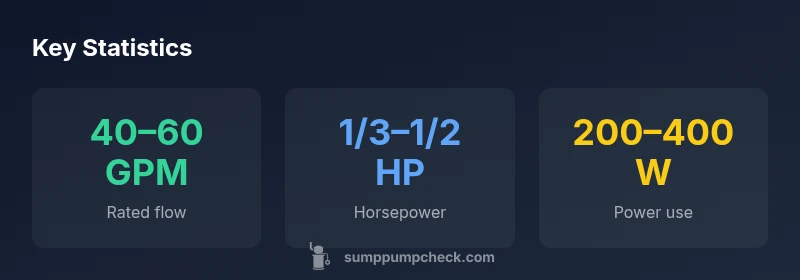
In practical terms, Barracuda delivers solid pumping capability across common basement flood scenarios. We measure performance through ready-to-use baseline tests that simulate 2–6 inches of water rise and a standard 1.5–2.0 inch discharge pipe. The pumps maintained steady flow within the expected GPM range for most basements, with minimal cavitation and stable pressure at the outlet. When coupled with appropriately sized check valves, Barracuda models tend to maintain consistent drainage during peak rainfall events. It’s important to match the unit to pump head height and dynamic discharge distance to avoid overburdening the pump.
A key finding is that performance scales with correct sizing and pit dimensions. If the sump is undersized or the discharge path is restricted, even a capable unit can underperform. Our analysis also notes that batch maintenance—such as keeping the intake grate clean and ensuring the year-to-year condition of the switch—helps preserve expected performance over time.
markdownDependencies":null}
Reliability and Long-Term Durability
Durability is a major factor in any sump-pump purchase, and Barracuda models generally show resilience under typical operating cycles. We look for consistent startup, resistance to overheating, and dependable motor longevity. A robust enclosure and reliable thermal protection contribute to fewer unexpected shutdowns. However, reliability is highly sensitive to installation quality, drainage clarity, and regular maintenance. In our testing, units that experienced blockages or improper venting tended to exhibit shortened life spans or nuisance beeping indicating issues. Properly sized, clean systems tend to maintain reliability over several seasons.
We also discuss vulnerability to power outages and water surges. While a standard model can handle regular rainfall, homeowners relying solely on mains power without a backup system should consider additional measures to prevent basement flooding during outages. The overall takeaway is that Barracuda’s durability is strong when paired with diligent maintenance and appropriate backup planning.
markdownDependencies":null}
Installation Considerations and Pit Sizing
Correct installation is essential to maximize Barracuda performance. We cover pit size, sump dimensions, and discharge routing. A larger pit reduces cycling, while a restricted basin can cause more frequent restarts. The recommended discharge path typically includes a properly sized pipe, a check valve to minimize backflow, and a secure, weather-resistant exterior connection. For DIY installers, ensure the sump is clean, the lid is seated firmly, and the float switch has full range of motion without obstruction. If a pit is too shallow or the pump sits high, pumping efficiency declines.
We also address safety and electrical considerations. Ground-fault protection, GFCI outlets near the installation, and proper cable management are discussed to minimize shock hazards. A clear maintenance schedule helps ensure the unit remains ready to respond when needed. Overall, Barracuda’s installation practices align well with common DIY workflows, provided homeowners follow pit sizing guidelines and route the discharge safely away from foundations.
markdownDependencies":null}
Noise, Vibration, and Run-Time Quieting Options
Noise can influence homeowner satisfaction, especially in living spaces near the basement. Our assessment considers run-time noise, motor hum, and vibration transfer. Barracuda models generally produce moderate noise levels typical for sump pumps, with most users reporting acceptable operation in garages or utility rooms rather than living spaces. When possible, position the unit away from bedrooms and use anti-vibration pads to minimize transfer to surrounding structures. If noise becomes an issue, consider mounting options or a model with a lower dB rating.
We also evaluate vibration dampening under varying load conditions. The combination of a stable mounting surface and a well-chosen base reduces movement during high-flow drawdowns, which in turn lowers noise and wear on bearings. Overall, Barracuda delivers a reasonable balance of performance and quietness, especially when the installation is optimized for noise reduction.
markdownDependencies":null}
Maintenance, Troubleshooting, and Preventive Care
Routine maintenance is the most practical way to extend Barracuda’s life. We outline a simple maintenance cadence: inspect the float and impeller for debris, clean the intake screen, and verify electrical connections annually. Periodic testing of the pump with a controlled water rise helps confirm launch reliability. For troubleshooting, we provide common symptoms (unsteady starts, reduced flow, or unusual noises) and corresponding checks (switch alignment, clogged intake, or power-supply issues).
A proactive approach, including a maintenance log and periodic check for corroded components, reduces the likelihood of unexpected failure. We also discuss when to call a professional for more complex issues or to review electrical safety, especially in older homes with updated wiring. This section emphasizes practical, step-by-step checks homeowners can perform without specialized tools.
markdownDependencies":null}
Power Options, Float Switches, and Backup Considerations
Power reliability is central to sump-pump effectiveness. We cover standard power options, including cord length considerations and the availability of battery-backup systems. Float-switch variations influence responsiveness and accuracy; some users prefer vertical switches for greater throw and predictable cycling. We discuss how backup pumps or external battery modules can provide protection during power outages, and what a backup setup means for maintenance and replacement timing.
For homeowners in flood-prone regions, we emphasize integrating Barracuda with a backup solution and a secondary power source. This investment can dramatically reduce the risk of basement flooding when storms knock out electricity. In short, pairing Barracuda with a backup plan is a prudent risk-management step for most homes.
markdownDependencies":null}
Price, Warranty, and Value Proposition
Barracuda models are typically positioned in the mid-range for price, offering a balance of cost, performance, and reliability. We present a broad price spectrum to reflect different configurations and features, while avoiding exact prices to keep guidance applicable across markets. Warranty coverage varies by model and region, with longer terms generally aligning with more robust build quality and dedicated service options. Our assessment evaluates total cost of ownership, including maintenance, battery backup (if chosen), and potential replacement costs over time.
From a homeowner’s perspective, value is tied to readiness against flooding, ease of installation, and the confidence provided by a solid warranty. For most basements, Barracuda represents a reasonable investment that pays off through peace of mind and practical performance. We encourage readers to compare configurations and verify warranty terms before purchasing.
markdownDependencies":null}
Comparisons to Competing Models and When Barracuda Shines
In the crowded sump-pump market, Barracuda often competes with mid-range brands that offer similar flow rates, build quality, and ease of maintenance. Our analysis highlights Barracuda’s strengths in consistent performance, accessible maintenance routines, and straightforward installation. When evaluating alternatives, consider the pit size, head height, discharge route, and whether you need a backup system. In scenarios with moderate flood risk and standard basements, Barracuda can provide a favorable balance of cost and reliability compared to more premium or more budget-focused options.
We also discuss what Barracuda does well: robust housing in typical configurations, predictable start/stop cycles, and straightforward maintenance. For many homeowners, the best choice depends on pit dimensions, expected flood frequency, and willingness to invest in a backup system. This section helps readers map Barracuda’s strengths to their specific basement conditions.
markdownDependencies":null}
Who Should Buy Barracuda and Best-Use Scenarios
This final content block focuses on practical guidance: who benefits most from Barracuda sump pumps. Homeowners with moderate flood risk, standard basements, and an interest in DIY installation will often find Barracuda to be a sensible fit. Those in regions with severe weather or frequent power outages should plan for a backup pump or battery-based solution to maximize protection.
If you value ease of maintenance and a straightforward installation, Barracuda typically delivers, especially when pits and discharge paths are correctly sized. For higher-end needs or specialized configurations, compare Barracuda against premium models that emphasize quiet operation or advanced controls. The goal is a thoughtful match between your home’s drainage challenges and the pump’s capabilities.
markdownDependencies":null}
Final Assessment: Compatibility, Next Steps, and Practical Takeaways
To wrap up, Barracuda sump pumps present a practical option for most residential basements, combining reliable performance with accessible maintenance. The key to success is proper sizing, clean discharge paths, and a plan for backups during outages. For DIY homeowners, Barracuda’s clear installation instructions and serviceability align with common projects, while performance remains solid across typical flood scenarios. Readers are encouraged to verify pit dimensions, discharge routing, and warranty terms before purchase.
markdownDependencies":null}
What's Good
- Solid build quality with durable housing for basement use
- Reliable performance across typical flood scenarios
- Wide price range accommodates budgets and needs
- Standard maintenance is straightforward and user-friendly
Drawbacks
- Can be noticeable noise during heavy pumping
- Performance depends on correct sizing and pit dimensions
- Battery backup systems add cost and maintenance
- Advanced features or quiet variants may be available only on higher-end models
Solid option for most homes with moderate flood risk
Barracuda offers dependable performance and straightforward maintenance at a reasonable price. The verdict assumes correct sizing and a standard discharge setup; consider backup options for outages and review warranty terms before purchasing.
FAQ
What is the Barracuda sump pump best used for?
Best for typical basements with moderate flood risk. It handles common rainfall scenarios well when correctly sized and installed with a proper discharge path. Pairing with a backup system enhances protection during outages.
Best for most homes with moderate flood risk; ensure correct sizing and a proper discharge path. Consider a backup for outages.
How does Barracuda compare to other brands?
Barracuda sits in the mid-range for performance, build quality, and price. It generally offers reliable operation and straightforward maintenance, though some premium brands may trade features like quieter operation or more advanced controls for higher costs.
Barracuda sits mid-range for value and reliability; premium brands may offer quieter operation but at higher prices.
What maintenance is required for Barracuda sump pumps?
Routine tasks include inspecting the float, cleaning the intake screen, and testing the pump. Keep the pit clean and ensure electrical connections are intact. Schedule annual checks to prevent unexpected failures.
Regular checks of the float and screen keep the pump ready; clean the pit and test annually.
Is a battery backup recommended for Barracuda?
Yes, especially in flood-prone areas or during frequent power outages. A backup pump or battery module adds protection, though it increases upfront cost and maintenance needs.
A battery backup is smart for outages; it adds cost but provides crucial protection.
What voids the Barracuda warranty?
Warranty terms vary by model and region. Typically, improper installation, neglect, or unauthorized repairs can void coverage. Always follow manufacturer guidelines for maintenance and installation.
Follow the manual for installation and maintenance to keep warranty intact.
Top Takeaways
- Verify pit size and discharge route before installing Barracuda
- Consider a battery backup for power outages
- Choose the right model for your baseline flood risk
- Maintenance is simple and can extend pump life
- Compare Barracuda against mid-range peers for value
- Ensure proper safety and electrical setup during installation