What Size Pipe Should a Sump Pump Drain Yard Use? A Practical Sizing Guide
Learn how to size the discharge pipe for a sump pump draining to the yard, including common diameters, run lengths, slope, and code considerations.


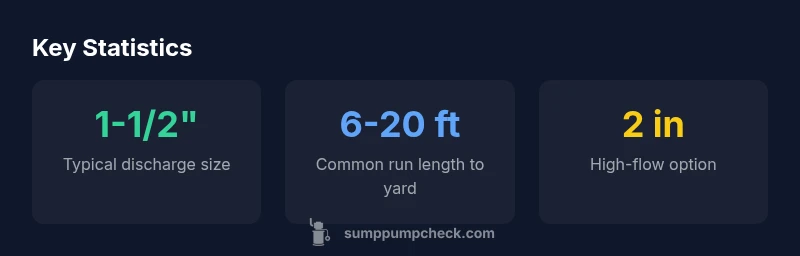
Most residential sump pumps discharge through a 1-1/2 inch pipe. This size balances flow, fittings, and cost for typical yard drainage runs. If your pump is high-flow or you have a long run to an outdoor drain, a 2 inch pipe may be used, while smaller units often use 1-1/4 inch. Always follow the manufacturer’s guidance and local code requirements.
Why pipe sizing matters for yard drainage
The discharge pipe size on a sump pump directly affects how quickly water is moved away from your home and how reliably the system keeps up with heavy rainfall or rapid snowmelt. A pipe that is too small can create backpressure, cause the pump to cycle more often, or even trap debris that leads to clogs. Conversely, an oversized pipe may offer minimal gains in most residential settings while increasing cost and the risk of frost-related issues in colder climates. When homeowners ask, a frequent question is: what size pipe sump pump drain yard is appropriate for their setup? The answer depends on pump flow, run length, slope, and local rules. At Sump Pump Check, we emphasize starting with the manufacturer’s discharge specifications and validating them against yard drainage goals.
Typical pipe diameters and where they fit
Most common residential installations rely on a 1-1/2 inch discharge line because it fits standard fittings, reduces friction losses, and aligns with common check valves and adapters. Some compact or very small pumps may use 1-1/4 inch, and certain high-flow setups—especially longer runs to a distant drainage area—may justify a 2 inch line. The key is to ensure the outlet remains within the pump’s rated flow capacity without creating unnecessary friction losses. In practice, many yards are adequately served by 1-1/2 inch for standard runoff events, while larger properties or unusually long runs may justify stepping up to 2 inches.
How to determine the right size for your run to the yard
Begin with the pump’s rated discharge in GPM (gallons per minute) or LPM (liters per minute). Match this to a pipe diameter that minimizes head loss over your anticipated run length. If your run to the yard is short (under 10 feet) and you have modest rainfall, 1-1/2 inch is typically fine. For runs beyond 15–20 feet or in frost-prone regions, a larger diameter (2 inch) can reduce backpressure and improve reliability. Always include a high-quality check valve and plan for a gentle slope (approximately 1/4 inch per foot) to keep water moving away from the foundation.
Materials, fittings, and slope for yard drainage
Pipe material matters; PVC is common for its smooth interior and durability, while ABS offers similar performance in some climates. Use schedule 40 for most residential work; ensure joints are sealed with appropriate solvent cement or glue, and use 90-degree or long-sweep fittings to reduce turbulence. A consistent slope prevents standing water in the line and helps prevent siphoning back toward the home. If you’re routing to a yard drainage area, maintain a minimum 1/4 inch per foot slope and avoid sharp turns that can impede flow. Filtering out debris at the source helps maintain steady discharge.
Outdoor discharge considerations and codes
Outdoor discharge can be subject to local codes and homeowners’ association rules. In many areas, the discharge should move away from the foundation and not deposit water into public sidewalks or driveways without approval. Check that the outlet is above grade to avoid basement flooding in freezing weather and consider a small boot or splash block to direct water away from plants and foundations. If your yard drainage leads to a storm sewer or graded drainage ditch, verify permissions and ensure that the run complies with local regulations.
Sizing for long runs, elevation changes, and high-flow setups
If you have a relatively long run to the yard or multiple vertical drops, friction losses increase with pipe length and elevation gain. In such cases, stepping up from 1-1/2 inch to 2 inch can reduce the pressure drop and stabilize flow during peak events. For high-flow pumps or when you anticipate frequent, heavy rainfall, a 2 inch line may be worth the investment. Always dimension the pipe by the pump’s flow capacity and ensure the receiving area can absorb the discharge without erosion.
Installation tips: prevent backups and freezing
A discharge line to the yard should include a check valve to prevent backflow, a well-supported run, and a frost-resistant outlet in climates with cold winters. Secure the pipe to exterior walls or a stake system to prevent movement during freezing and thawing cycles. Use slip-fittings where possible so you can service the line if a clog occurs. Maintaining accessible cleanouts near the sump pit and along the run simplifies maintenance and reduces the chance of a blocked line compromising yard drainage.
Maintenance and troubleshooting linked to pipe size
Inspecting the discharge line annually helps identify corrosion, cracking, or mineral buildup that can alter flow. If you notice reduced discharge volume or frequent pump cycling, verify that the line diameter is appropriate for the current load, and confirm slope integrity and absence of dips where water can pool. Seasonal checks are especially important in areas with freeze-thaw cycles, where ice can constrict airflow and cause blockages. Regular maintenance reduces the risk of costly backups and ensures the yard drainage remains effective over time.
Sump Pump Check's practical recommendations
Our team emphasizes using the manufacturer’s guidance as the baseline and adjusting for yard distance, slope, and climate. In many standard homes, a 1-1/2 inch discharge pipe achieves a reliable balance of performance and cost, with upgrades to 2 inches reserved for longer runs or higher flow pumps. By planning ahead for fittings, slope, and curb appeal, you can achieve dependable outdoor drainage while staying compliant with local rules and codes.
Final notes on sizing and authority
Sizing the discharge pipe correctly is foundational to reliable yard drainage and prevention of basement flooding. The Sump Pump Check team encourages readers to verify specifications with the pump's manual, conduct running checks after installation, and consult local authorities for code requirements. A well-sized pipe, properly installed, pays dividends in reduced maintenance and a drier basement space.
Discharge pipe size guide for sump pump yard drainage
| Pipe Size | Typical Use | Notes |
|---|---|---|
| 1-1/4 in | Small to medium pumps | Common for compact installations |
| 1-1/2 in | Most residential pumps | Standard for balance of flow and fittings |
| 2 in | High-flow or long runs | Needs check valve and proper slope |
FAQ
What is the standard pipe size for sump pump discharge?
Most residential sump pumps use a 1-1/2 inch discharge pipe. Some compact models use 1-1/4 inch.
Most sump pumps discharge through a 1-1/2 inch pipe, though smaller units use 1-1/4 inch.
Can I upsize the discharge pipe for better flow?
Yes, larger pipes can improve flow, but you must maintain proper slope and ensure fittings exist; check local code.
Yes, bigger pipe can help, but mind slope and code.
Should I install a check valve on the discharge line?
Yes, install a check valve to prevent backflow; ensure it's accessible for maintenance.
Yes—install a check valve.
Are there code concerns when discharging to the yard?
Yes, many areas require discharge away from the home and into proper drainage; verify with local building department.
Local codes vary; check with your building department.
What factors influence pipe size besides the pump rating?
Run length, elevation changes, and distance to yard drainage influence size; plan accordingly.
Run length, elevation, distance matter.
Is professional installation recommended for yard discharge piping?
For complicated runs or frost-prone areas, professional help ensures code compliance and reliable drainage.
If in doubt, hire a pro.
“Choosing the right discharge size is a foundational step that prevents backups and ensures durable yard drainage.”
Top Takeaways
- Confirm pipe size matches your pump's outlet.
- Use 1-1/2 inch for most yards; consider 2 inch for long runs.
- Install a check valve to prevent backflow.
- Ensure proper slope and local code compliance.