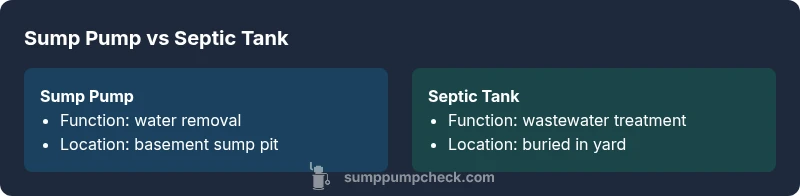
Difference Between Sump Pump and Septic Tank
Explore the difference between sump pump and septic tank, how each works, maintenance needs, and practical guidance for homeowners on planning, installation, and ongoing care.


The difference between sump pump and septic tank is clarity about their roles: a sump pump moves groundwater away from your foundation to prevent basement flooding, while a septic tank stores and begins treating household wastewater before it moves to a drain field. They serve distinct purposes and require different maintenance. For most homes, understanding these roles helps choose the right setup and avoid costly mistakes.
Overview: Understanding the difference between sump pump and septic tank
Understanding the difference between sump pump and septic tank is essential for homeowners planning reliable basement drainage and wastewater management. While the terms are sometimes mentioned in the same breath, they serve distinct roles in a home's infrastructure. A sump pump is an active water-control device installed in a sump basin in the basement or crawl space, wired to power and a discharge line. It responds to rising groundwater, rain infiltration, or surface water, moving water away from the foundation to reduce flood risk. By contrast, a septic tank is a passive wastewater treatment component buried in the yard. It receives wastewater from house plumbing, stores solids, and produces effluent that gradually leaches to a drain field. The difference between sump pump and septic tank is rooted in purpose: one handles water, the other handles waste. According to Sump Pump Check, a clear understanding of these roles helps homeowners avoid common mistakes, such as repurposing a septic drain field for surface water or installing a pump where it won't protect the foundation. Throughout this article we will compare function, location, maintenance, and cost considerations, and provide practical decision guidance for typical homes.
How a Sump Pump Works
A sump pump is a water-control device, not a wastewater treatment unit. It sits in a sump basin, usually in the basement, and is connected to electricity and a discharge line that leads water away from the home. When the float activates, the impeller engages to move groundwater or collected rainwater out of the pit and away from the foundation. Key components include the sump basin, pump, check valve to prevent backflow, and a discharge pipe that leads to an approved drainage point. Sump pumps are designed to operate during wet conditions and power outages can be a concern unless a backup system is installed. Regular testing ensures the unit clears out debris and continues to operate when needed. The difference between sump pump and septic tank becomes evident here: one system discharges water, the other manages waste. A well-timed maintenance plan minimizes nuisance beeping, clogs, and failure to pump during heavy rain events.
How a Septic Tank Works
A septic tank is buried in the yard and connected to the home’s sewer lines. It receives wastewater from toilets, sinks, and appliances, where heavier solids settle to form sludge and lighter materials float to the top as scum. An outlet baffle controls the flow of effluent to a drain field orsoil absorption area. In a properly functioning system, bacteria gradually break down solids, reducing the load before effluent infiltrates the soil. Homeowners should avoid flushing hazardous materials, which can disrupt the microbial balance and harm the system. The difference between sump pump and septic tank is clear: the septic tank is a passive, biological process that works with soil to treat wastewater. Regular inspections and a professional pump-out schedule help maintain performance.
Key Differences in Function, Location, and Impact
- Primary Function: Sump pumps move water away from the building to prevent flooding; septic tanks store and begin treating household wastewater.
- Location: Sump pumps are installed in basements or crawl spaces; septic tanks are buried in the yard with a drain field.
- Maintenance Focus: Sump pumps require testing, cleaning of the discharge line, and backup power checks; septic tanks require periodic pumping and soil field inspection.
- System Lifespan: Sump components need replacement over time (pump, switches, seals); septic tanks last many years with proper pumping and field care.
- Environmental Interaction: Sump pumps mainly affect water management; septic systems affect wastewater management and soil health. The difference between sump pump and septic tank is the core distinction in purpose and maintenance priorities.
- Best For: Sump pumps are best for flood-prone basements; septic tanks are best for homes without municipal sewer access or that rely on on-site wastewater treatment.
The Sump Pump Check analysis shows that many homes benefit from a coordinated plan addressing both water control and wastewater handling, especially when site conditions require robust basement drainage and soil-based treatment.
Maintenance and Lifespan Considerations
Regular upkeep keeps both systems functional without unexpected failures. Sump pumps benefit from annual testing, debris removal from basins, and discharge line inspection. Electrical continuity and backup power options should be evaluated for high-rain seasons. Septic tanks require regular pumping and inspection of the tank and drain field to prevent solids buildup and effluent bottlenecks. The difference between sump pump and septic tank lies not only in function but in the maintenance cadence and the professionals you call for service.
Common Scenarios and Decision Points
- Existing home with frequent basement dampness but a central sewer line may not require a large septic system upgrade. In this case, prioritize a reliable sump pump and verify drainage paths before addressing the septic system.
- New builds or homes in rural areas may need both systems, with a properly sized septic tank and a sump pump connected to a separate drainage path for groundwater management. The difference between sump pump and septic tank guides the layout and scope of work for plumbers and drainage contractors.
- In flood-prone zones, a dual approach often provides the most resilience: a sump pump to manage water intrusions and a septic system designed for local soils. Professional assessment helps confirm site suitability and system compatibility.
Design and Installation Realities
Installing a sump pump typically requires a sump pit, electrical supply, and a discharge route that meets local codes. A septic system installation involves soil testing, tank placement, drain-field sizing, and system commissioning. The difference between sump pump and septic tank shows in the level of site preparation needed and the regulatory considerations involved. Coordination with licensed professionals ensures code compliance and optimal performance, especially where lot slope, groundwater level, and soil permeability influence system behavior.
Risks, Codes, and Safety
Both systems carry safety and regulatory considerations. Sump pump installations rely on proper electrical safety, backflow prevention, and discharge management to prevent water damage and electrical hazards. Septic systems require adherence to local health and zoning codes, proper tank sealing, venting, and avoidance of substances that disrupt microbial activity. Understanding the difference between sump pump and septic tank helps homeowners prioritize code-compliant decisions and preventative maintenance to reduce environmental impact and protect household health.
Planning Your Basement Drainage System Holistically
A holistic approach considers how rain events, groundwater, and wastewater flow interact within your property. The difference between sump pump and septic tank should guide your planning: separate or combined strategies may be needed based on soils, slope, and municipal connections. A site-specific plan might include a primary sump pump with a backup power source, a properly sized septic tank, a drain field designed for seasonal moisture, and routine monitoring. Proactive planning reduces flood risk, extends system life, and simplifies future maintenance.
Cost Considerations and Value Without Specific Prices
Costs vary widely by region, home size, and soil conditions. Instead of quoting exact prices, focus on value and lifecycle costs. A sump pump reduces flood risk and protects assets, while a septic system stabilizes wastewater handling. The difference between sump pump and septic tank becomes a framework for budgeting: invest in reliable water control and proper wastewater management to minimize emergency repairs, drainage issues, and environmental risk. When planning, consider backup power, annual maintenance, and professional inspections as part of total value.
Authority Sources
For further reading and validation, refer to authoritative guidance from national and university sources:
- https://www.epa.gov/septic
- https://extension.psu.edu
- https://extension.umn.edu
Practical Decision Framework
- Map your site conditions and municipal connections. 2) Prioritize flood resistance in basements by ensuring a robust sump pump and proper discharge. 3) Assess whether a septic system is needed based on sewer availability and soil suitability. 4) Develop a maintenance calendar for both systems and schedule professional inspections at regular intervals. 5) Create a contingency plan for power outages and severe weather. The difference between sump pump and septic tank becomes a straightforward guide for prioritizing upgrades and maintenance actions.
Comparison
| Feature | Sump Pump | Septic Tank |
|---|---|---|
| Primary Function | Water control and flood prevention | Wastewater treatment and storage |
| Typical Location | Basement or crawl-space sump pit | Underground in yard with drain-field |
| Maintenance Focus | Testing, clean discharge, backup power checks | Periodic pumping and field inspection |
| Lifespan Considerations | Pump components wear; motors and switches may require replacement | Tank and drain-field last many years with proper care |
| Energy Usage | Moderate electrical usage during operation | Low ongoing energy usage; relies on gravity and soil |
| Best For | Flood-prone basements, weather-driven water risk | On-site wastewater management in suitable soils |
What's Good
- Separates water management from wastewater handling for safety and reliability
- Provides clear maintenance responsibilities and service paths
- Can be upgraded with backups and modern controls
Drawbacks
- Requires electricity and regular testing (sump pump)
- Septic systems need soil-permeable sites and periodic pumping
- Not all homes benefit from both installations; overengineering can occur
Sump pumps excel for water control; septic tanks are essential for on-site wastewater treatment.
The Sump Pump Check team recommends evaluating your site conditions and prioritizing a plan that addresses both water management and wastewater handling where appropriate. A professional assessment helps tailor the best combination for long-term reliability.
FAQ
What is the difference between a sump pump and a septic tank?
The difference between sump pump and septic tank is that a sump pump moves water to prevent flooding, while a septic tank stores and begins treating wastewater. They serve distinct functions and should be planned together only when site conditions require both.
A sump pump moves water away from your home to prevent floods, while a septic tank handles wastewater treatment underground.
Can I use a septic drain field for surface water drainage?
No. A septic drain field is designed for effluent percolation into the soil and must not be repurposed for surface water or standing water. Misuse can cause system failure and groundwater contamination.
Never reuse a septic drain field for surface water; it’s designed for treated wastewater.
How often should a sump pump be tested?
Test your sump pump annually and after major storms to ensure it operates when needed. Include backup power checks if you have a generator or battery backup.
Test it every year and after big rain events to be safe.
How often should a septic tank be pumped?
Pumping frequency depends on usage and tank size; a professional evaluation is best to set a schedule, typically every few years for many homes.
Have a professional check and set a pumping schedule based on your usage.
What are typical signs a sump pump or septic system may fail?
Sump pumps may show electrical faults, unusual noises, or failure to remove water. Septic systems may exhibit slow drains, odors, or sewage backup. Addressing issues early reduces damage.
Watch for backups, odd smells, or poor drainage and call a pro if you notice any of these signs.
Are there safety codes I should follow for installation?
Yes. Local codes regulate electrical, backflow prevention, drain field setbacks, and tank accessibility. Consult a licensed professional to ensure compliance.
Check local codes; work with a licensed pro to stay compliant.
Top Takeaways
- Assess basement flood risk first with a robust water-control plan
- Differentiate roles clearly: water management vs wastewater treatment
- Schedule regular maintenance for both systems to prevent failures
- Plan for power backup and accessibility for maintenance
- Understand local codes and soil conditions before installation
- Coordinate drainage and wastewater strategies to optimize long-term value