Zoeller Sump Pump Repair: A Practical DIY Guide
Learn how to diagnose, repair, and maintain a Zoeller sump pump with a practical, step-by-step approach for homeowners and DIY enthusiasts.


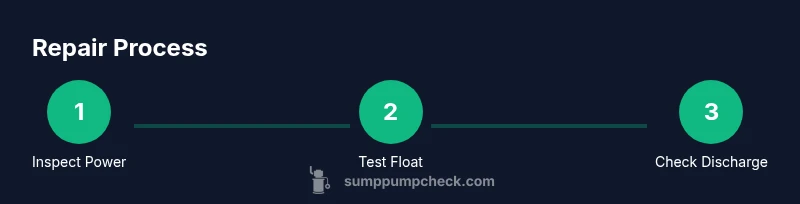
You can diagnose and repair common Zoeller sump pump issues yourself by checking the power, float switch, impeller, and discharge line. Start with a safety check, then test the float, inspect the impeller for clogs, and verify the discharge path before replacing worn parts. This approach helps prevent basement flooding and extends pump life.
What Zoeller Sump Pump Repair Entails
Zoeller sump pumps are a staple in many basements, valued for reliable operation when properly maintained. Zoeller sump pump repair typically involves confirming power connectivity, ensuring the float switch moves freely, inspecting the impeller for obstructions, and verifying the discharge line and check valve are clear and functional. Regular attention to these components can prevent nuisance beeping, cycling, and unexpected failure during heavy rains. According to Sump Pump Check, routine checks of the motor, float, and discharge path significantly reduce the risk of sudden failures and unsafe operation. This guide emphasizes practical, safe steps you can take without expensive professional service, while highlighting when to call a licensed electrician or plumber. The goal is to restore reliable pumping, protect your basement, and keep your Zoeller unit working efficiently for years.
Assessing the Situation: Symptoms in a Zoeller Sump Pump
Common symptoms that signal a Zoeller sump pump repair may be needed include the pump not turning on, rapid cycling, or excessive noise. A unit that runs but fails to expel water may indicate a clogged impeller or a stuck float switch. Leaks around seals or a warm motor are signs that internal components may be worn or compromised. Before diving into maintenance, observe the pattern of water entry in the pit, check for power outages, and confirm the GFCI outlet is not tripped. These observations help you narrow down whether the issue is electrical, mechanical, or related to drainage. Documenting symptoms and timing can also help you weigh whether to repair or replace the pump, especially if the unit is older or has frequent failures.
Safety First: Risks and Precautions
Working with a sump pump involves electricity and water, so safety is critical. Always unplug the unit at the breaker before handling any components. If your discharge line runs outdoors and there is standing water, avoid contact with wet surfaces and use rubber-soled footwear. Wear eye protection if you plan to flush lines or remove heavy debris. Use a GFCI outlet for any temporary power testing and never bypass safety devices. If you smell burning insulation or notice damaged wiring, pause and call a licensed electrician. The goal is to minimize risk while performing a careful inspection of the Zoeller sump pump and its surroundings.
Diagnostic Steps You Can Perform at Home
Start with a visual and functional check. Confirm the pump is plugged in and the outlet has power using a known-good lamp or tester. Manually lift and lower the float to see if the pump responds within a few seconds. Listen for the motor sound and watch the impeller rotate when water is present in the pit. If the unit is quiet or not cycling, test the float switch’s movement along its full range. Keep a notebook of results to guide any parts replacement decisions.
Inspecting the Float Switch, Impeller, and Housing
The float switch and impeller are common failure points. Inspect the float for smooth travel and ensure it is not obstructed by debris or moisture buildup. Check the impeller for trapped hair, gravel, or silt that can reduce water flow. If the impeller is damaged or clogged beyond easy cleaning, replacement is usually the best option. Inspect the pump housing for cracks or corrosion, which may indicate a deeper issue that requires part replacement or a replacement pump.
Checking the Discharge System and Check Valve
A blocked discharge pipe or a faulty check valve can prevent water from leaving the pit, giving the illusion that the pump is failing. Inspect the discharge pipe for obstructions, kinks, or freezing in cold weather. Test the check valve by disconnecting the discharge line briefly and watching for reverse flow when the pump stops. Re-seat or replace a leaky or nonfunctional check valve. After any work on the discharge system, run a controlled test to confirm proper water movement away from the home.
Replacing Worn Parts: Seals, Gaskets, and Switches
Worn seals, gaskets, and a degraded float switch are frequent sources of failure. When replacing parts, ensure you match the exact Zoeller model and part numbers. Lubricate seals sparingly with silicone lubricant if the kit recommends it, but never oil the impeller or bearings. If the original pump is older than 7–10 years and has frequent issues, consider upgrading to a newer model with improved efficiency and a longer warranty. Always use manufacturer-approved replacement parts to maintain performance and safety.
Reassembly and Final Testing
After replacing components or cleaning the internal chamber, reassemble the sump pit carefully. Ensure the lid sits securely, the check valve is oriented correctly, and all connections are snug. Restore power from the breaker and perform a controlled test: add water to the pit until the pump activates, and verify that water is being discharged away from the foundation. Listen for unusual noises and observe for leaks during the test. If everything functions normally, you have effectively completed a Zoeller sump pump repair.
Ongoing Maintenance to Extend Life
Preventive maintenance is the best defense against frequent Zoeller sump pump repair. Create a simple maintenance schedule that includes clearing debris from the pit, testing the float switch every few weeks, and running the pump every few months to ensure reliability. Replace worn components before failure, and keep a small parts kit on hand for quick fixes. By staying proactive, you reduce the likelihood of emergency calls and protect your basement from water damage.
Tools & Materials
- Multimeter(Test outlet voltage and continuity of wiring)
- Screwdrivers (Phillips and flat-head)(For opening housing and removing screws)
- Adjustable wrench(Loosen nuts on discharge line and fittings)
- Pliers(Grip cables and hoses safely)
- Bucket and towels(Contain water and dry the area)
- Replacement parts kit (seal kit, float switch, impeller)(Only if you identify worn components)
- PVC pipe cutter or saw(If you need to resize discharge piping)
- Silicone lubricant(Use only if kit recommends lubrication)
- Gloves and eye protection(Personal safety)
Steps
Estimated time: 60-120 minutes
- 1
Power down and secure area
Shut off power at the circuit breaker and unplug the pump. Confirm the area around the sump is dry and safe before handling any wiring or moving parts. This prevents electric shock and keeps debris away from your eyes.
Tip: Double-check the breaker with a tester before touching components. - 2
Open the sump lid and access internals
Remove the lid screws and lift the cover to expose the float switch and impeller. Keep the lid steady to avoid sudden drops into the pit, which can cause injury or gear damage.
Tip: Take photos at each stage to assist reassembly. - 3
Test float switch movement
Manually lift and lower the float to ensure it moves freely from fully down to the activation point. If it sticks, clean debris and check for wear on the actuator.
Tip: Do not force a stiff float; replace if it binds. - 4
Inspect the impeller for clogs
Look inside the housing and remove hair, sediment, or gravel that blocks the impeller. A clogged impeller reduces pumping efficiency and may overheat the motor.
Tip: Use a small brush to dislodge stubborn debris. - 5
Check seals and shaft for leaks
Inspect the base seals for cracks or moisture. A leaking seal can allow water into the motor housing, causing failure.
Tip: If you see moisture inside the stator, consider replacing the pump. - 6
Examine electrical connections and GFCI
Inspect wiring connections for corrosion or loose fittings. Test the GFCI outlet by pressing the test button and plugging the pump into a known good outlet.
Tip: Replace damaged wires or corroded terminals with manufacturer-approved parts. - 7
Check the discharge line and check valve
Ensure the discharge pipe is free of obstructions and the check valve seals properly to prevent backflow. A faulty valve can make the pump cycle unnecessarily.
Tip: Run water through the line to confirm one-way flow. - 8
Reassemble components and seal housing
Carefully reattach the pump housing and lid, ensuring a tight seal to prevent leaks. Verify all fasteners are snug but not over-tightened.
Tip: Lumplessly align the hose connections to avoid stress on fittings. - 9
Restore power and perform final test
Reconnect power, fill the pit with water until the float activates, and observe operation. Check for leaks and listen for abnormal sounds.
Tip: Document the test results for future maintenance. - 10
Finish with a routine maintenance plan
Set a schedule for regular checks of the float, impeller, and discharge line. Stock essential parts for quick repairs and avoid emergency downtime.
Tip: Keep a maintenance log in a visible location.
FAQ
Can I repair a Zoeller sump pump myself, or should I hire a pro?
Many Zoeller sump pump issues can be addressed by a capable homeowner, especially when they involve cleaning, testing the float switch, or replacing a worn seal. Electrical repairs should be limited to simple tests if you are confident with wiring and safety. If you are unsure about any step, consult a licensed electrician or plumber.
Many homeowners can handle basic repairs, but for electrical tasks, seek professional help if unsure.
What are the most common signs that a Zoeller sump pump needs repair?
Signs include the pump not starting, intermittent operation, unusual noises, frequent cycling, or water not being discharged away from the house. Debris buildup in the pit, worn float switches, or clogged impellers are frequent culprits.
Common signs include not starting, odd noises, or water still pooling around the pit.
Should I replace or repair a Zoeller unit that is older than 8–10 years?
For older units with repeated failures, replacement often offers better reliability and efficiency than ongoing repairs. Compare the cost of parts and labor against a newer model with a longer warranty and improved energy efficiency.
For older pumps with recurring issues, replacement is often the smarter option.
How often should I perform maintenance on a Zoeller sump pump?
Aim for a basic inspection every 3–6 months and a deeper service annually. Regular checks of the float, impeller, and discharge path help prevent unexpected outages and extend the unit’s life.
Do a quick check every few months and a full service yearly.
What safety precautions are essential when working on a sump pump?
Always unplug and power off at the breaker before touching any wiring. Use a GFCI outlet for temporary power tests and wear protective gear to manage water and debris. Do not work on a wet surface without proper insulation and footwear.
Power off, use GFCI, and wear protective gear.
Where can I find replacement parts for a Zoeller sump pump?
Replacement parts can be sourced from authorized dealers or the manufacturer. Ensure you match the exact model and part numbers to maintain performance and warranty coverage.
Check authorized dealers or the manufacturer for exact model parts.
Watch Video
Top Takeaways
- Inspect power and safety devices before any repair
- Regular maintenance reduces the risk of failure
- Use manufacturer parts to ensure compatibility and warranty
- Test after repair to confirm proper discharge and operation
- Document maintenance to guide future Zoeller sump pump repair