Plumber for Sump Pump Repair: Hire, Diagnose, and Fix
Learn how to assess sump pump issues, when to hire a plumber for sump pump repair, and safely diagnose and fix common problems at home, plus tips to prevent failures.


Hiring a plumber for sump pump repair ensures safe, code-compliant fixes for stubborn issues. Start with power off, inspect the float switch, discharge line, and electrical connections, then decide if parts need replacement or if professional service is required. This approach reduces risk, minimizes downtime, and helps protect your home from basement flooding. If you smell burning, hear grinding, or see water around the unit, call a licensed plumber for sump pump repair.
Why a qualified plumber matters for sump pump repair
When a sump pump fails during a heavy rain window, homeowners often attempt DIY fixes. A licensed plumber for sump pump repair brings training in electrical safety, code compliance, and reliable components. According to Sump Pump Check, professionals reduce the risk of electrical shock and water damage and provide warranties on workmanship. In many jurisdictions, improper electrical work around a sump pump can violate codes and leave you financially exposed if floods recur. A plumber's assessment goes beyond a simple plug-and-play fix: they test the wiring, check the outlet, inspect the circuit breaker, and verify the discharge line is clear. They also assess the pump’s overall condition and determine whether a repair is practical or if a replacement is more cost-effective in the long run. If your unit is older than 7–10 years or has repeated failures, professional input is particularly valuable. A pro can also guide you on proper maintenance strategies to extend the life of the system.
Common issues that typically require professional repair
Sump pumps can fail for a variety of reasons. Common issues that warrant a plumber for sump pump repair include a non-starting unit, frequent cycling or running constantly, unusual noises such as grinding or rattling, persistent leaks around the housing, a jammed or blocked discharge line, and problems with the float switch failing to rise or fall correctly. Electrical problems such as a tripped breaker, a burnt smell, or a hot motor are signals to stop DIY work and call a pro. By diagnosing these signals early, a plumber can identify whether a simple seal replacement, impeller cleaning, or a full motor replacement is necessary. Early professional intervention can prevent basement flooding and costly water damage.
Safety considerations before you begin any sump pump work
Safety comes first when dealing with sump pumps. Always disconnect power before inspecting the unit, and use a non-contact voltage tester to verify that the circuit is live before handling components. Wear protective gloves and eye protection, keep children and pets away from the work area, and avoid contact with dirty water. If you have a septic or sewer line nearby, take extra care to prevent backflow. A grounded, dry working environment reduces the risk of electrical shock. If the unit is connected to a GFCI outlet, ensure it trips properly after a reset test. Never work in a wet basement when the power is on; this is a high risk scenario that warrants professional help.
DIY vs professional: cost, risk, and timing considerations
DIY maintenance is feasible for basic checks and cleaning, but more complex electrical or mechanical repairs demand a licensed plumber for sump pump repair. Professional work reduces liability and ensures parts meet local codes. A prompt professional assessment can prevent repeated failures and water damage after a flood. When deciding, consider the age of the pump, the frequency of past failures, and whether components such as the float switch, capacitor, or impeller show signs of wear. A professional will also provide a maintenance plan to prevent future outages and offer warranties on parts and labor.
What a plumber for sump pump repair will do during the service
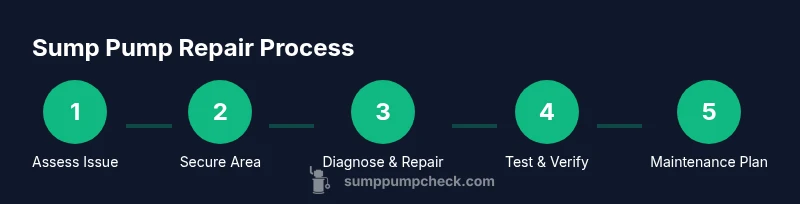
During a typical service, a plumber will perform a structured diagnostic: verify power safety, inspect wiring and outlets, test the float switch, and examine the discharge path for clogs or breaches. They will assess seals, impeller condition, and motor health, then replace worn parts or entire units as needed. After repairs, the plumber will reassemble and test the system using controlled water input to ensure proper cycling and discharge. Finally, they will advise on preventive maintenance and provide written estimates and warranties for the work performed.
How to evaluate and hire a sump pump repair professional
Start by checking licensing, insurance, and experience with sump pump repair. Request references and read reviews from local homeowners. Obtain written estimates that itemize parts, labor, and any potential extra costs. Ask about warranties on both parts and workmanship, and verify that the contractor will coordinate any electrical or plumbing permits if required by your area. A good plumber for sump pump repair should explain options clearly, offer a reasonable timeline, and stand behind the work with a warranty.
Parts and components commonly involved in sump pump repair and maintenance
Key parts that commonly come up in repairs include float switches, check valves, impellers, seals, power cords, and capacitors. A professional will inspect these parts for wear and corrosion and replace them as needed. Regular maintenance often focuses on clearing debris from the sump pit, cleaning the impeller, and ensuring the discharge line is free of blockages. Understanding these components helps homeowners make informed decisions when discussing repairs with a plumber for sump pump repair.
Preventive maintenance to extend the life of your sump pump
Preventive maintenance reduces the likelihood of unexpected failures. Schedule an annual or semiannual inspection, clean the sump pit, test the pump by pouring water into the pit, and verify the discharge line's openness. Keep the area around the unit clear, ensure the backup system (if you have one) remains functional, and replace worn parts before they fail. A proactive maintenance plan helps protect your basement from future flooding and reduces emergency repair costs.
What to expect after repair and how to test the system
After repairs, the plumber will perform a thorough test to ensure proper function. They will confirm the unit activates automatically with rising water and discharges water correctly away from the foundation. The test should include backflow prevention checks and a final visual inspection for leaks, along with a reminder of maintenance intervals. If a backup battery system is present, test that as well. You should receive a written summary of the work and a maintenance checklist.
Tools & Materials
- Non-contact voltage tester(Verify power is off before touching electrical components)
- Screwdriver set (flathead and Phillips)(For opening the pump housing and electrical panels)
- Pliers (long-nose and needle-nose)(Grip clamps and hoses during inspection)
- Bucket and towels(Catch drips and keep the area clean)
- Shop vacuum or siphon(Clear debris from the pit and discharge path)
- Replacement parts kit(Float switch, seals, or impeller if worn)
- Silicone sealant or plumber's putty(Waterproof sealing around fittings)
- Safety gloves and eye protection(Protect hands and eyes from dirty water)
- Flashlight(Inspect dimly lit pits and corners)
- Drain snake or pipe cleaner(If discharge line shows minor clogs)
Steps
Estimated time: 60-120 minutes
- 1
Power down and secure area
Turn off the sump pump circuit at the breaker. If the unit is hardwired, switch off the main breaker. Verify no voltage using a tester before handling any parts.
Tip: Label the breaker for easy future identification after a flood event. - 2
Inspect the discharge path
Check the discharge pipe for clogs, kinks, or ice. Clear any obstructions and ensure water can flow freely away from the foundation.
Tip: Use a flashlight to spot hidden debris inside the pipe and pit. - 3
Check the float switch
Ensure the float moves freely and rises without sticking. If it sticks, remove obstruction and test movement manually.
Tip: If the float is damaged, plan for a replacement before the next heavy rain. - 4
Inspect seals and impeller
Look for cracks around seals and signs of wear on the impeller. Clean debris from the impeller and replace worn seals if needed.
Tip: A corroded impeller often leads to reduced pumping efficiency. - 5
Test the pump
Pour water into the pit and observe activation, pumping action, and discharge direction. Confirm no leaks around the housing.
Tip: Run the test with power off first, then on to verify automatic start. - 6
Decide on repair vs replacement
Assess whether parts replacement or full unit replacement is more cost-effective and reliable. Seek a written diagnosis from the plumber if needed.
Tip: Trust professional judgment if the motor is noisy or overheating.
FAQ
When should I hire a plumber for sump pump repair?
If the pump won’t start, makes grinding noises, leaks around the housing, or short-cycles, professional help is wise. A plumber can diagnose electrical and mechanical failures that DIY checks may miss.
If your sump pump won’t start or you hear unusual noises, hire a plumber to diagnose electrical and mechanical issues.
What is a reasonable price range for plumber sump pump repair?
Costs vary based on the fault, parts needed, and local labor rates. A simple fix may be affordable, while major repair or replacement can be more substantial.
Costs depend on the fault and parts; a quick diagnostic will reveal the real range.
Is it safe to DIY sump pump repairs?
Basic maintenance and simple fixes are possible for competent DIYers, but electrical work around a sump pump carries risk. If in doubt, hire a plumber to avoid safety hazards.
DIY is risky around electrical components; when in doubt, get professional help.
What are signs my sump pump needs repair vs replacement?
Frequent failures, rising water levels, or an aging unit often point to repair or replacement. A professional assessment helps determine the most reliable long-term solution.
Frequent failures or an old unit usually means repair or replacement is needed; consult a pro for a solid plan.
How do I choose a reliable plumber for sump pump repair?
Check licensing, insurance, and experience with sump pumps. Ask for references, written estimates, and warranties on parts and labor. A clear, transparent communicator is key.
Ensure the plumber is licensed, insured, and provides written estimates and warranties.
Watch Video
Top Takeaways
- Identify safety first before any inspection.
- DIY is possible for simple checks; call a plumber for electrical or mechanical concerns.
- A licensed plumber improves long-term reliability and code compliance.
- Regular maintenance prevents unexpected outages and basement flooding.
- Know when to replace instead of repair for best value.