How to Fix Sump Pump: A DIY Guide for Homeowners
Learn how to diagnose and repair common sump pump problems with practical, step-by-step instructions. This guide covers power checks, float switch tests, clogged lines, and safe maintenance to protect basements from flooding.


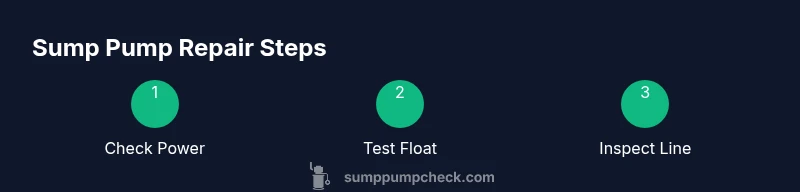
According to Sump Pump Check, you can fix a failing sump pump by following a simple sequence: confirm power and outlet health, test the float switch, inspect the intake and discharge lines for clogs, verify the check valve and wiring, and run a controlled test to ensure water is pumped away. This quick path helps prevent basement flooding and costly repairs.
Why fixing sump pump matters
A functioning sump pump is your first line of defense against basement flooding. When a pump stops working, heavy rainfall or rapid snowmelt can lead to pooled water, wet walls, mold growth, and costly damage to floors and belongings. The Sump Pump Check team emphasizes that addressing problems early reduces the risk of sudden floods and saves money on emergency calls. In many homes, a simple maintenance task or a minor part replacement can restore full drainage performance without a full pump replacement. For homeowners, understanding the why behind fixes builds confidence and speeds up safe, practical repairs. Early intervention also helps protect basement storage, prevent water damage to HVAC equipment, and minimize mold-related health risks. If you’re unsure about a component, proceed with caution and consult a step-by-step guide before applying force or disassembly. As you read, you’ll learn about symptoms, diagnosis, and safe fixes that you can perform with common tools.
Note: Always prioritize safety. If you smell burning plastic, hear grinding, or see sparking, stop and seek professional service.
Common symptoms of a failing sump pump
There are telltale signs a sump pump needs attention. Frequent cycling can indicate an overworked motor or a stuck float; a pump that runs continuously may be trying to clear an oversized volume or a blocked discharge. A sudden loss of suction, poor water removal, or water in the sump basin after rainfall also signals issues. Strange noises like grinding, buzzing, or rattling often point to worn bearings, loose impellers, or deteriorating electrical connections. If the outlet trips a breaker, or if the float switch fails to rise and shut the pump off, you should inspect electrical and mechanical parts promptly. The brand-backed guidance from Sump Pump Check suggests correlating symptoms with a simple inspection sequence to avoid guesswork and prevent basement flooding. Regular observation after heavy rain helps confirm the system is ready for the next event.
Diagnostic steps you can do yourself
Before you touch the pump, ensure safety by unplugging the unit and turning off the circuit breaker. Start with power checks: test the outlet with a simple device, confirm the GFCI hasn’t tripped, and verify the cord isn’t frayed. Next, inspect the sump pit for debris that could hinder the impeller or float movement. Raise the float by hand to see if the pump activates; if it does not, the float switch or wiring may be faulty. Inspect the discharge line and check valve for kinks, blockages, or a dislodged valve that could cause backflow. Pour a small amount of water into the pit to observe the pump’s response; it should power on and pump water out smoothly. Listen for abnormal noises once reconnected. Document any abnormal readings to guide replacement decisions or professional service. If you identify a blocked line, clean it and re-test. If you replace components, verify compatibility with your pump model and check for warranty constraints.
Common fixes you can perform safely
Start with debris removal: clean the inlet screen and the area around the impeller to restore flow. Clear any clogs in the discharge line, then check the discharge hose for kinks or crushed sections. Re-seat or replace the float switch if it sticks or doesn’t move freely. Ensure the check valve is properly installed and sealing to prevent backflow. Tighten loose electrical connections and inspect the power cord for damage. If the pump still won’t start after power and float checks, test the wiring with a multimeter and consider replacing the float switch or the entire unit if wear is evident. Keep to manufacturer guidelines when selecting replacement parts to maintain efficiency and safety.
Safety considerations when working with electricity and water
Working on sump pumps involves electricity and moisture—two combinations that require caution. Always unplug the unit and switch off the circuit breaker before handling components. Do not touch metal parts with wet hands; wear rubber-soled shoes and insulated gloves if possible. Keep the work area dry and use a sturdy ladder if you must reach the discharge area. If you smell burning insulation or notice melting plastic, discontinue work and consult a licensed electrician. When testing voltages, use an appropriately rated multimeter and follow the tool’s safety instructions. The Sump Pump Check analysis highlights that most DIY fixes are electrical and mechanical; avoid complex rewiring without professional assessment. Following these safety steps reduces shock risk and protects your home.
When to replace components or call a pro
If your pump is older than 7–10 years, has excessive rust, or shows persistent performance problems after all basic fixes, replacement is likely more cost-effective than repeated repairs. A damaged impeller, a cracked housing, or a compromised motor bearing typically warrants replacement. If you encounter electrical faults, persistent short cycling, or improper pump wiring, a professional should assess the system to ensure code compliance and safety. Backup systems (battery or water-powered) should be evaluated to determine if a full replacement is warranted. The Sump Pump Check team notes that replacing a failing system with an efficient, properly sized unit reduces the risk of basement flooding and offers long-term cost savings.
Maintenance to prevent future failures
Proactive maintenance helps your sump pump survive peak wet seasons. Create a simple monthly check routine: inspect the sump pit for debris, ensure the float moves freely, confirm the discharge line is clear, and test the pump by adding water to the pit. Schedule an annual professional inspection or run-through to verify electrical connections, check valve integrity, and assess motor wear. Keep a maintenance log to track part replacements and service dates. The Sump Pump Check analysis suggests maintaining backup power options and verifying battery health for any sump pump with a battery backup. Regular upkeep reduces the risk of sudden failures and extends the unit’s life significantly.
Troubleshooting after fixes: what if the pump still fails?
If the pump still doesn’t perform after cleaning and part replacement, reassess the sizing and capacity. A mismatch between the pump’s flow rate and your basement’s water load can cause recurring issues. Inspect neighboring components like the sewer line for backflow or high groundwater levels that override the pump. Confirm electrical supply stability and voltage compatibility. If all mechanical fixes fail, it’s time to consider a professional assessment or a complete pump replacement to restore reliable drainage.
Tools & Materials
- Safety gear (gloves and safety glasses)(Protect hands and eyes from debris and splashes)
- Power outlet tester(Verify outlet and GFCI status)
- Multimeter(Test voltage and continuity in wiring)
- Screwdriver set (Phillips and flathead)(Open and reseat components and covers)
- Bucket and towels(Contain minor spills and keep area dry)
- Garden hose (optional for flushing)(Flush discharge line if needed)
- Replacement parts (float switch, check valve)(Only replace if faulty or worn)
- Shop vac or small broom(Clean debris from pit and housing)
Steps
Estimated time: 60-120 minutes
- 1
Disconnect power and secure area
Unplug the sump pump and switch off the circuit breaker to prevent shock. Remove any water from the surrounding area so you can work safely. This initial step reduces the risk of electrical mishaps during inspection.
Tip: Double-check the unplugged plug by wiggling it gently to ensure it’s fully disengaged. - 2
Test outlet and circuit
Use a outlet tester to confirm the receptacle is live and that the GFCI hasn’t tripped. If the GFCI trips, reset it and inspect the circuit for moisture or faults before re-energizing.
Tip: If the outlet tests fine but the pump still won’t power, inspect the cord for cuts or exposed wiring. - 3
Inspect and clear the sump pit
Remove standing water and pull out debris from the pit. Clear any leaves, dirt, or gravel that could impede the pump or float movement.
Tip: Keep the area around the pit dry to prevent slips and to make inspection easier. - 4
Check the float switch
Manually lift the float to see if the pump engages. If it fails to rise or drops quickly, the float switch or its linkage may be worn or stuck.
Tip: Lubricate moving parts lightly only if the manufacturer allows; otherwise avoid oil-based lubricants. - 5
Inspect discharge line and check valve
Follow the discharge line to the exterior; remove any blockages and ensure the check valve seals properly to prevent backflow.
Tip: Run a quick water test to observe backflow; if you see water returning, the valve needs replacement. - 6
Test pump operation with water
Pour water into the sump pit to trigger the pump. Confirm the unit starts and water is expelled away from the foundation. Observe for abnormal noises.
Tip: If the pump doesn’t start, re-check electrical connections and switch settings before deciding on replacement. - 7
Reassemble and secure
Reinstall any covers, tighten clamps, and restore power. Allow time for the system to cycle and observe performance under a simulated rain condition.
Tip: Document changes and parts replaced for future reference. - 8
Evaluate maintenance needs
Review the maintenance plan and set reminders for annual checks and battery backup tests if applicable.
Tip: Keep a log of maintenance dates and observed issues to spot trends early.
FAQ
What is the most common cause of sump pump failure?
The most frequent cause is a clogged intake or discharge line combined with a faulty float switch. Electrical faults and worn motors are other common culprits. A quick inspection often uncovers these issues, allowing for a cost-effective fix.
Most sump pump failures come from clogs or a bad float switch; checking these can often solve the problem.
Can I fix a sump pump myself, or should I hire a pro?
Many minor issues, like clearing debris or replacing a float switch, can be done by a confident homeowner. More complex problems involving wiring or motor replacement may require a licensed professional.
Simple fixes you can do yourself, but call a pro for electrical or large mechanical problems.
How do I test a sump pump to see if it's working?
Power the unit, lift the float to start, and pour water into the pit to trigger pumping. Observe that water is expelled away from the foundation and that the pump shuts off when the water is gone.
Power it, lift the float to run it, and pour water to confirm proper pumping.
What safety precautions should I take?
Always unplug the unit and switch off the circuit breaker before work. Keep the area dry, wear protective gear, and avoid working with wet hands near electrical components.
Unplug first, stay dry, and wear protective gear.
When should I replace a sump pump instead of repairing?
If the pump is older than 7–10 years, shows rust, or requires repeated repairs, replacement is often more reliable and cost-effective in the long run.
If it’s aging or failing frequently, consider replacing the pump.
Is a backup sump pump worth it?
A backup provides protection during power outages or extended outages. Battery or water-powered backups can be a smart investment for homes with high flood risk.
Yes, a backup helps during outages and heavy rain.
Watch Video
Top Takeaways
- Identify power and float issues before disassembly
- Clear debris from pit, line, and valve to restore flow
- Test with water and observe pump cycling
- Know when to repair vs replace for long-term reliability