Hiring a Sump Pump Plumber: When to Call and What to Expect
Learn when to hire a sump pump plumber, what to expect during service, and how to choose a qualified professional to protect your basement from water damage.


A sump pump plumber is a licensed professional who installs, repairs, and maintains sump pumps and related drainage systems. They handle pump failures, discharge piping, switches, and check valves to protect basements from water. They ensure code-compliant electrical connections and reliable operation. According to Sump Pump Check, hiring a pro is your best path to long-term peace of mind.
What a sump pump plumber does
A sump pump plumber specializes in the installation, maintenance, and repair of sump pumps and their related components. Their scope typically includes the pump unit, discharge piping, check valves, float-switch assembly, and electrical connections. They ensure the system is correctly sized for your basement, is properly vented or vented where required, and that safety devices such as GFCI outlets or ground-fault protection are in place. A key part of their work is diagnosing causes of failure, whether that’s a stuck float switch, a clogged discharge line, a faulty impeller, or an overwhelmed sump pit after heavy rainfall. They also help prevent sewer gas backflow by verifying proper venting and by installing or inspecting backflow prevention devices. Working with a licensed pro helps ensure code-compliant electrical work and reliable operation, reducing the risk of water damage and expensive emergency calls. According to Sump Pump Check, a professional tune-up can extend the life of your system and provide a documented maintenance history for buyers or insurance.
Typical services offered
Sump pump plumbers offer a range of services beyond simple installation. They can perform full system replacement when the current unit is past its service life, upgrade to a more powerful or energy-efficient model, replace faulty check valves and float switches, install battery backup systems for power outages, and tidy or replace discharge piping. They also help with pump pit inspection, drainage planning to prevent standing water, and testing after heavy rains to confirm proper operation. During service, they will assess pit size, pump curve compatibility, and local codes to ensure compliance and optimal performance for your basement drainage. Scheduling a professional for preventive maintenance reduces the likelihood of unexpected breakdowns and costly repairs later on.
Signs you need a sump pump plumber's help
- Your basement floods after heavy rain or rapid snowmelt indicates the pump is not removing water quickly enough.
- The discharge line is clogged, frozen, or siphoning water back into the pit.
- You hear grinding, chirping, or beeping noises from the unit, or the motor struggles to start.
- The float switch sticks or fails to trigger the pump when water rises.
- Electrical outlets, GFCI protection, or wiring near the sump show signs of wear or damage.
- The system has not been inspected or serviced in more than a year and you notice damp walls or musty odors.
If you observe any of these, a sump pump plumber can diagnose the cause, recommend repairs, or replace components to restore reliable operation. Remember, many basements suffer from water damage due to aging parts, improper wiring, or inadequate discharge routing. A professional assessment can prevent further issues and save money over time.
What to expect during a service visit
A typical visit starts with a careful assessment of the basement area, the sump pit, and the current pump. The technician will check electrical safety, verify the discharge path, and test the pump’s cycling with water and simulated rainfall. They’ll inspect the float switch, impeller, seals, and bearings, and confirm that the discharge line terminates above grade or into an appropriate drainage system. If parts are worn, they will explain options and provide a clear estimate for repair versus replacement. After work begins, expect occasional noise, minor disturbances, and a temporary increase in water removal as the system stabilizes. The visit concludes with a demonstration of the pump in operation and basic maintenance tips you can perform.
How a plumber approaches pump replacement
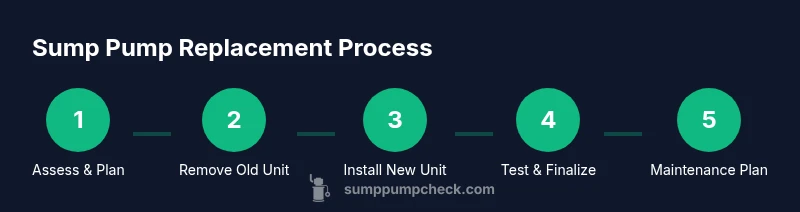
When replacement is the best option, a sump pump plumber will select a model that matches your pit size and flow needs, then plan for proper discharge routing and venting if necessary. They will remove the old unit, cap or adapt the power supply, install the new pump, and ensure the impeller and seals are correctly seated. After installation, they test run the pump, verify automatic start/stop cycling, and confirm there are no leaks in joints or fittings. A quality replacement also includes inspecting the backup battery system (if installed) and setting up a maintenance schedule to maximize longevity. Expect a dedicated period of setup, wiring checks, and a final performance test before declaring the job complete.
Choosing a sump pump plumber: questions to ask
- Are you licensed, insured, and familiar with local codes for sump pump work?
- Do you provide a written estimate and warranty on parts and labor?
- What replacement parts do you stock, and what brands do you prefer?
- Will you review the discharge routing for proper slope and venting?
- Can you explain the pros/cons of a battery backup and a water-powered backup if available?
- Do you offer maintenance programs and a written maintenance schedule?
Asking these questions helps you compare qualifications, pricing, and long-term support. A reputable professional will be transparent about scope and deadlines.
Maintenance strategies to extend sump pump life
Regular maintenance is the best defense against sudden failures. Clean the pit and intake, pull and inspect the impeller and check valves, and test the float switch monthly or after heavy rain. Ensure the power cord and outlet are in good condition and protected from moisture. Keep discharge piping clear of debris and verify proper drainage away from the foundation. Schedule annual inspections to catch wear before it fails and discuss upgrades like a backup system to protect you during outages. A well-maintained sump pump reduces emergency Visits and increases overall home safety.
Cost considerations and budgeting
Costs for sump pump work vary with complexity, parts, and local labor rates. In general, expect a range that accounts for parts, labor, and potential back-up systems. A professional assessment will clarify whether you need a straightforward repair, an upgrade to a higher-capacity unit, or a full replacement plus battery backup. Proactively budgeting for maintenance and occasional component replacements helps spread out the expense and avoids pricey emergencies after big rain events. Always request a written estimate that itemizes parts, labor, and warranties.
Quick-start checklist before hiring
- Verify the plumber is licensed and insured and can provide references.
- Prepare recent basements issues and any previous service notes or pump model numbers.
- Measure the sump pit dimensions and note the discharge path and exit point.
- Confirm the proposed solution (repair vs replacement) and get a written estimate.
- Discuss warranties, maintenance plans, and follow-up support after installation or repair.
Safety and code considerations
Working with water and electrical systems requires strict adherence to safety standards. Ensure the technician uses a grounded outlet or GFCI protection, follows local electrical codes, and secures the area to prevent slips. Ask about a backflow prevention strategy to keep sewer gases out of the home. A professional will explain any permit requirements and coordinate with local building authorities if needed. Regular maintenance and adherence to safety standards reduce risk and protect your property.
Tools & Materials
- Safety gear: gloves and eye protection(Nitrile gloves and safety goggles; keep a spare pair for messy jobs)
- Voltage tester(Non-contact preferred for quick checks; ensure battery-operated)
- Multimeter(Used to verify circuit continuity and voltage under load)
- Pipe wrench(For loosening fittings on discharge piping)
- PVC cement and primer(Seals and secures PVC connections in discharge lines)
- PVC pipes and fittings(Assorted sizes to fit existing system and route discharge)
- Sump pump check valve(Prevents backflow into the pit)
- Replacement seals and gaskets(Keep on hand for worn pump components)
- Teflon tape(Seal threaded connections and prevent leaks)
- Flashlight(Extra lighting for tight spaces)
- Bucket and absorbent rags(Clean spills and catch drips during work)
Steps
Estimated time: 60-120 minutes
- 1
Assess the situation
Inspect the basement for flooding patterns, check the sump pit, and note visible signs of wear on the pump and discharge piping. Identify whether the issue is intermittent or persistent after rain or snowmelt. This helps determine if immediate action is needed and whether a repair or replacement is more appropriate.
Tip: Document observed issues with photos or notes to share with the technician. - 2
Shut off power and locate discharge
Turn off the circuit feeding the sump pump at the main panel or GFCI outlet to prevent shock during inspection. Trace the discharge line from the pit to where it exits the home, ensuring there are no blockages or kinks. A clear exit path prevents backups and confirms drainage direction.
Tip: Work with a buddy if stairs are involved; avoid working in wet areas alone. - 3
Check the sump pit and cover
Remove the cover and inspect the pit for debris that might clog the intake. Clear sediment, rocks, and sand that accumulate in the bottom. A clean pit improves pump efficiency and reduces the risk of nuisance shutdowns.
Tip: Use a filter or screen to prevent future debris from entering the pit. - 4
Test the pump with water
Pour water into the pit to raise the water level and trigger the float switch. Observe whether the pump starts, runs smoothly, and stops without cycling abnormally. If the pump won’t start, listen for motor strain or unusual noises that indicate worn components.
Tip: Do not overfill the pit; test in small increments to avoid sudden surges. - 5
Check electrical and safety devices
Verify the outlet is properly grounded and protected by a GFCI, and inspect the power cord for wear. Ensure the switch or float mechanism moves freely and isn’t obstructed by debris. Address any frayed wiring or loose connections immediately.
Tip: If you’re unsure about electrical work, stop and call a pro to avoid shock or fire risk. - 6
Decide on repair vs replacement
Assess whether worn seals, motor bearings, or a damaged impeller warrant a repair or if a full replacement offers better long-term reliability and efficiency. Energy-efficient models can reduce running costs, especially in wet climates.
Tip: Ask for an itemized estimate that separates parts from labor and includes warranty terms. - 7
Install or replace sump pump
If replacing, carefully remove the old unit, prepare the pit, and install the new pump following the manufacturer’s instructions. Connect discharge piping with proper slope and use a check valve. Label the power source for future maintenance.
Tip: Rely on a professional if you’re uncomfortable with wiring or fitting pipes. - 8
Test and finalize maintenance plan
Run the new system and confirm consistent operation under test conditions. Create a maintenance schedule, including monthly checks, annual professional inspection, and backup system tests. Document the process for future reference.
Tip: Keep a maintenance log to track performance and upcoming service needs.
FAQ
Do I need a plumber or a general contractor for sump pump work?
Sump pump work involves both plumbing and electrical considerations. A licensed sump pump plumber is typically the best choice for installation, repair, and system integration. Depending on local codes, you might also consult an electrician for wiring, but start with a qualified plumber to scope the job.
For sump pump projects, start with a licensed plumber who can handle plumbing and basic electrical safety; an electrician may be needed for wiring if required by your local codes.
What credentials should a sump pump plumber have?
Look for a valid state license, liability insurance, and a solid service warranty. Request references and confirm that they have experience with your pump model and discharge arrangement. Local code knowledge is also important for a compliant installation.
Make sure they’re licensed, insured, and can stand behind their work with a warranty. Check references and local code familiarity.
Is a sump pump plumber necessary for replacement?
Yes. Replacing a sump pump requires proper sizing, electrical safety, and correct discharge routing. A plumber ensures the new unit fits the pit, aligns with the piping, and complies with local regulations.
Replacement should be handled by a plumber to ensure proper fit and code compliance.
How long does installation take?
Typical installation or replacement tasks take a few hours, depending on pit access, plumbing routing, and wiring. A detailed estimate should be provided before work begins.
Most jobs take a few hours; you’ll get an upfront time estimate before the work starts.
Can I install a sump pump myself?
DIY installation is not recommended if you’re unfamiliar with electrical work, plumbing codes, or proper discharge routing. A professional ensures safety, code compliance, and long-term reliability.
If you’re not confident with electrical and plumbing work, hire a pro.
What maintenance should I perform annually?
Inspect the pit, clean debris, test the float switch and backup options, verify the discharge path, and ensure outlets are dry and functional. Schedule a professional inspection at least once per year.
Do a yearly check of the pit, pump, and backup systems and get a professional inspection annually.
Watch Video
Top Takeaways
- Hire a licensed sump pump plumber for electrical and drainage work
- Regular maintenance prevents costly emergencies
- Understand repair vs replacement options before work
- Ask about warranties and maintenance plans
- Plan for a backup system to cover power outages