How to Use a Sump Pump to Drain a Pool
Learn how to safely drain a pool using a sump pump with practical steps, essential tools, safety tips, and troubleshooting guidance from Sump Pump Check.


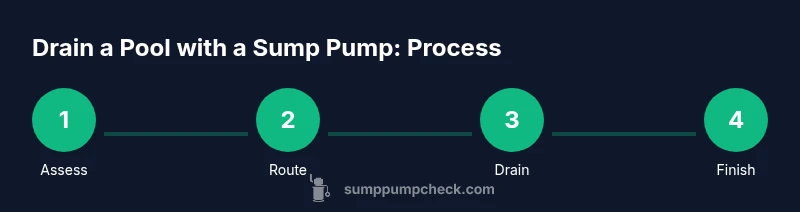
Using a sump pump to drain a pool is feasible for level and uncontaminated water transfer. Start by selecting a submersible pump, place it at the deepest point, and connect a discharge hose to an exterior drainage area. Use a GFCI outlet, keep pets and kids away, and monitor water removal until the pool is empty or reaches a safe level.
Practical setup for draining a pool using a sump pump
Draining a pool with a sump pump is a practical option when you need to reduce water for maintenance, renovations, or seasonal care. This guide outlines how to use a sump pump to drain a pool, including equipment, setup, safety considerations, and disposal. According to Sump Pump Check, draining pool water with a sump pump is a feasible method for many residential pools, provided you respect electrical safety, local regulations, and proper water discharge practices. Start by evaluating your pool type, water depth, and where the discharged water will go. If you’re dealing with saltwater pools or treated water, verify that the pump and hose materials won’t corrode or contaminate surrounding soil. The overall aim is to move water efficiently while minimizing risks to people, pets, and the property.
Safety first: electrical, discharge, and environmental considerations
Electrical safety is non-negotiable when using a sump pump near water. Always use a GFCI-protected outlet and outdoor-rated equipment. Keep power cords dry and away from the pool edge, and never touch a running pump with wet hands. Check local codes for where you can discharge water; avoid flooding foundations, flower beds, or neighbor properties. Sump Pump Check emphasizes planning your drainage path to prevent erosion and sediment disruption, and to ensure that the water won’t harm wildlife or landscaping.
Tools and materials you’ll need
Have your tools ready before you start working. Essentials include a submersible sump pump with an appropriate flow rate for your pool size, a discharge hose long enough to reach an exterior drainage area, and basic fittings to connect hoses and the pump outlet. Add an outdoor-rated power source or GFCI extension cord, hose clamps, PVC adapters, protective gloves, and eye protection. Keeping everything on-site minimizes delays and helps you stay safe during the process.
Pump selection and hose connections
Choose a pump that matches the pool volume and water depth; a higher flow rate can speed up drainage but may require more robust discharge routing. Attach your discharge hose securely using clamps or zip ties to prevent leaks or hose detachment. If your pump outlet differs from your hose diameter, use suitable adapters to create a tight seal. A simple, reliable setup reduces the risk of hose detachment or backflow during operation.
Planning discharge location and water disposal
Discharge water should flow to a location that won’t cause property damage or waterlogging. Avoid draining directly onto foundations, sidewalks, or neighbor property. If you’re in a city or HOA area, verify requirements for stormwater or surface water discharge. Consider the chemical balance of pool water and understand how it might affect soil, plants, and wildlife; limit exposure to sensitive areas and follow local environmental guidelines.
Hose management and discharge routing
Lay out the hose path before turning on the pump to prevent tripping hazards and kinks. Elevate the hose slightly at the pool edge to prevent backflow and ensure gravity aids drainage. Secure the hose along walls or fencing if needed, and avoid routing through high-traffic zones. Regularly inspect the hose for leaks, cracks, or clogs during operation to maintain steady flow.
Common mistakes and risk mitigation
Common mistakes include using an extension cord in water, failing to secure the hose, draining to an unstable site, or ignoring pool chemical balance. Mitigate risks by using a properly rated extension cord, grounding the setup, and stopping if flow becomes irregular or the pump overheats. Sump Pump Check notes that careful monitoring and a well-planned discharge path significantly reduce the chance of property damage or accidents.
Aftercare: drain, clean up, and maintenance
When the pool is drained to your target level, turn off the pump and disconnect power safely. Remove the hose and store the pump in a dry location. Clean up around the discharge area to prevent mud or sediment buildup, and inspect the pump and hoses for wear. Finally, test the property for any lingering water issues and re-balance pool water chemistry as needed for future use.
Authority and further reading
For safe and compliant pool drainage, consult credible sources on electrical safety, environmental guidelines, and pool maintenance practices. Always verify current local requirements before draining a pool. See the references provided by reputable organizations and agencies to inform your process and keep your project compliant.
Tools & Materials
- Submersible sump pump(Choose a pump with sufficient flow for your pool size; consider an automatic float switch)
- Discharge hose(3-4 inch diameter recommended; ensure length to reach exterior drainage; secure with clamps)
- PVC adapters and fittings(For connecting hose to pump outlet and directing flow)
- GFCI outdoor-rated power outlet or extension cord(Ground-fault protection; use weatherproof enclosures)
- Extension cord (outdoor-rated)(Keep cords away from water; ensure appropriate gauge for pump draw)
- Hose clamps or zip ties(Secure hose to pump outlet to prevent leaks)
- Protective gloves and eye protection(Safety gear for handling hose and equipment)
- Absorbent towels or spill mats(Useful for minor drips during setup)
- Water quality testing kit (optional)(If pool water contains unusual chemicals, confirm disposal safety)
Steps
Estimated time: 60-120 minutes
- 1
Assess pool and discharge legality
Review pool type, depth, and current chemicals. Check local regulations about discharging pool water and preferred discharge locations. This upfront step helps avoid fines or disputes and ensures a smoother drainage process.
Tip: Consult city or HOA guidelines and document any local restrictions before starting. - 2
Choose the right pump and hose setup
Select a submersible pump with an adequate flow for your pool size. Attach the discharge hose and secure with clamps. If needed, add adapters to fit the pump outlet snugly to the hose.
Tip: Prefer a pump with an automatic float switch to prevent dry-running if you plan longer drainage. - 3
Position the pump at the deepest point
Place the pump at the pool bottom where water is deepest to maximize drainage. Ensure the surface is stable and the power cord can reach the outdoor outlet safely.
Tip: Use a float pad or stable platform to keep the pump level and avoid tipping. - 4
Attach discharge hose and route outside
Connect the hose to the pump outlet, route it along a safe path to exterior drainage, and avoid sharp bends that could cause clogs or kinks.
Tip: Plan the route to minimize foot traffic over the hose and prevent accidental disconnection. - 5
Set up power safely
Plug the pump into a GFCI-protected outdoor outlet or use a weatherproof extension cord. Keep all connections dry and off the ground. Do not operate near water at any time.
Tip: Never run a non-outdoor-rated cord across wet areas. - 6
Start pumping and monitor water removal
Turn on the pump and observe the water level decreasing. If flow slows or stops, check for clogs in the hose or pump intake and clear as needed. Continue until you reach the target level.
Tip: Have a backup plan in case of pump malfunction, such as a spare hose or alternate outlet. - 7
Manage discharge water responsibly
Ensure the discharge area remains safe and free from erosion. Do not direct water toward foundations or into neighbor properties. If the water is chemically balanced, avoid sensitive plant areas.
Tip: If the area around the discharge shows flooding, pause drainage and re-route the hose temporarily. - 8
Finish and remove equipment
Power down the pump, unplug, and dismantle the hose. Coil and store the pump in a dry place. Clean the work area and inspect for wear.
Tip: Dry equipment before storage to prevent mold or corrosion. - 9
Inspect pool and plan next steps
Check the pool surface for any cracks or damage that may have occurred during drainage. Rebalance water chemistry if you intend to refill soon and log what worked for future projects.
Tip: Document what parts of the setup were most effective for future reference.
FAQ
Is it safe to drain a pool with a sump pump?
Yes, it can be safe when you use proper electrical safety, appropriate hose routing, and a suitable discharge location. Always follow local regulations and manufacturer instructions for your pump.
Yes, it’s safe if you follow safety guidelines, use a GFCI outlet, route the hose correctly, and discharge where allowed by local rules.
What size hose should I use?
A discharge hose in the 3- to 4-inch range is common for many pools. Ensure the hose fits the pump outlet and is long enough to reach your exterior drainage area.
Most pools work well with a 3- to 4-inch hose. Make sure the hose fits the outlet and reaches outdoors.
Where should I discharge the water?
Discharge water to an area that won’t cause erosion, flooding, or property damage. Avoid discharging onto foundations, sidewalks, or neighbors’ yards. Check local requirements first.
Discharge away from foundations and neighbors, and follow local rules.
Can a sump pump damage the pool or equipment?
If used correctly, a sump pump should not damage the pool structure. Monitor chemical balance and avoid letting the pump run dry. Use appropriate adapters and keep electrical components dry.
With proper setup and monitoring, it should be safe for the pool and equipment.
How long does it take to drain a typical residential pool?
Drain times vary with pool size and pump capacity. Small to mid-sized residential pools may take from 30 minutes to a couple of hours. Plan for contingencies and allow extra time for routing and setup.
It depends on the pool size and pump; expect 30 minutes to a few hours.
What maintenance is needed after draining?
Rinse and dry hoses, inspect fittings for wear, and store equipment in a dry place. Rebalance pool chemistry if you refill soon and clean any sediment around the discharge area.
Dry and store equipment, then rebalance pool chemicals when refilling.
Should I drain completely or just to a safe level?
Drain to a safe level based on your project. Deep drains may risk floor or surface issues; stopping at a practical level reduces risk while you perform renovations.
Drain to a practical level to avoid overflows and damage.
Watch Video
Top Takeaways
- Plan discharge location before starting.
- Use a GFCI-protected outdoor power source for safety.
- Secure all hose connections to prevent leaks.
- Monitor water flow and stop at a safe level.
- Store equipment properly after use.