Sump Pump for Pool: Practical DIY Drainage Guide
Learn how to select, install, and maintain a sump pump for pool drainage. Practical steps, safety tips, and budgeting guidance for homeowners.


This guide helps you determine if a sump pump for pool drainage is needed, choose the right size and type, and perform a safe installation. You'll assess drainage needs, select a pump with adequate head and flow, and plan a compliant electrical connection. According to Sump Pump Check, proper sizing and placement prevent water intrusion and deck flooding.
Why a sump pump for pool matters
Water around a pool can accumulate from rain, runoff, or groundwater. Without a drainage system, this water can pool near the deck, seep into the pool equipment area, or create hydrostatic pressure that can crack concrete and compromise the pool. A sump pump provides a reliable way to remove water quickly, preventing damage and keeping your pool area safe and usable. For homeowners, choosing the right sump pump for pool drainage means evaluating the expected inflow, the height water must be pumped to reach proper drainage zones, and the distance to the discharge area. The Sump Pump Check team notes that proper placement and a capable pump reduce overflow risk and protect surrounding structures. In this guide, you'll learn sizing, installation, and routine maintenance to handle typical storm and groundwater challenges. Practical planning helps you keep your pool area dry, reduces maintenance, and extends the life of your deck and landscaping. A properly installed sump pump for pool drainage also supports water management during heavy rains without impacting your pool water level if you maintain separate discharge controls.
Sizing and selecting the right sump pump for pool drainage
Sizing starts with understanding two key numbers: the pump's flow rate and the lift height it must overcome. For pool drainage, assess the worst-case inflow around the pool during heavy rain or snowmelt, then translate that into a pump with adequate head and flow. Decide between a submersible or pedestal model based on where you will place the unit and how easy it is to service. Ensure the discharge hose can reach an exterior drainage point or a safe diversion area, and install a check valve to prevent backflow when the pump stops. Automatic operation via a float switch is highly recommended so the pump starts at water rise and stops when the basin is empty. This sizing approach helps avoid short cycling and excessive wear. Sump Pump Check analysis shows that correctly sized pumps minimize energy use, reduce wear, and improve reliability for pool drainage.
Electrical and safety considerations for outdoor setups
Outdoor pool drainage equipment must be weather-rated and safely wired. Use a GFCI-protected outlet and ensure all connections are outdoors-rated and properly weather-sealed. Avoid running cords across walkways or near the pool edge; instead, install a dedicated outdoor outlet in a dry, accessible location. Use conduit where required by local codes and keep the pump away from splashing areas. Regularly inspect cords for cracks and replace damaged components immediately. Sump Pump Check emphasizes following local electrical codes and manufacturer guidelines to minimize risks when working near water.
Installation options: where to place the pump in relation to your pool
Install the sump pump in a dry, ventilated area near the pool equipment pad or a purpose-built pit. A recessed pit can keep the unit out of sight while still allowing efficient water collection. If space is limited, a pedestal pump placed on a stable base near the deck can work, provided the discharge line runs unobstructed to the exterior. Ensure adequate clearance for service and heat dissipation, and plan the layout so the discharge does not re-enter the house or pool area. Routing the discharge to a proper storm drain or dry well reduces the chance of pooling on the deck. Visualize the setup with a simple diagram to confirm all clearances before finalizing placement.
Discharge piping and drainage planning
Discharge piping should route water away from the pool and building foundations, ideally to a storm sewer, dry well, or landscape drainage path. Use a discharge hose or PVC pipe of appropriate diameter, with clamps and supports to prevent sagging. Install a check valve to prevent backflow and consider a backflow preventer if your drainage path could lead water back toward the pool during heavy rainfall. If you need to cross under a walkway or driveway, protect the pipe with conduit and ensure there are no trip hazards. Confirm that local codes allow outdoor sump pump discharge and avoid directing water toward crawl spaces or basements. A well-planned discharge path helps protect landscaping and reduces erosion around the pool area.
Maintenance and routine checks you can't skip
Create a simple maintenance schedule for your pool drainage sump pump: inspect the inlet screen for debris, clean the impeller as needed, test the float switch weekly, and verify the discharge path is clear. Annually, check the electrical supply, weatherproof housings, and any seals or gaskets. Keep spare fuses or control components on hand and replace worn hoses or clamps to prevent leaks. Document maintenance tasks and dates so you know when to service or replace components. Regular upkeep saves energy, extends life, and ensures reliable drain performance for the pool area.
Troubleshooting common problems with pool sump pumps
If the pump runs but water remains, check for clogs in the inlet, outlet, or impeller, and verify the float switch moves freely. A pump won’t start at all could indicate a tripped GFCI, a blown fuse, or a loose power connection. Leaks around the discharge line or seals may signal worn gaskets. If cycling aggressively or short-cycling occurs, recheck sizing and head height to ensure the unit is not oversized for the drainage path. For persistent issues, consult the manufacturer’s troubleshooting guide and consider professional service when electrical safety is involved. Sump Pump Check recommends addressing issues promptly to prevent water damage around the pool.
Budgeting and return on investment
Costs for a pool drainage sump pump vary with pump type, head height, and installation requirements. Focus on value: a reliable, properly sized pump reduces water damage, minimizes maintenance, and extends deck life. While initial costs can be noticeable, long-term savings come from avoiding structural repairs and the cost of recurring water management after storms. When planning, include the price of the discharge piping, fittings, and any electrical upgrades. A well-planned installation can deliver meaningful return on investment by keeping the pool area dry and reducing seasonal upkeep.
Tools & Materials
- Sump pump (submersible or pedestal)(Outdoor-rated, suitable for pool drainage, with appropriate HP and outlet size)
- Discharge hose (PVC or rubber)(Long enough to reach external drainage without kinks)
- Check valve(Prevents backflow when the pump stops)
- GFCI-protected outdoor outlet(Essential for electrical safety near water)
- Floating switch(Automatic on/off control based on water level)
- Piping fittings and clamps(For secure, leak-free discharge routing)
- PVC cement or silicone sealant(Optional for sealing joints and fittings)
Steps
Estimated time: 60-90 minutes
- 1
Assess drainage needs
Evaluate the pool area and surrounding ground to estimate how much water could collect during heavy rain or runoff. Document high-risk zones and plan a discharge path that avoids the pool and building foundations. Create a simple sketch to guide pump placement.
Tip: Measure the longest possible travel path for water to reach the discharge point to avoid backflow or extra piping. - 2
Choose pump size and type
Select a sump pump that matches the expected inflow and the head height needed to reach your drainage point. Decide between submersible and pedestal based on location and access for maintenance. Verify the discharge outlet matches your hose or piping.
Tip: Prioritize a pump with a built-in float switch for automatic operation and a reputable warranty. - 3
Prepare electrical supply
Install a dedicated GFCI-protected outlet near the pool area. Ensure all electrical connections are weatherproof and use conduit where required by code. Never power a sump pump from a standard indoor outlet.
Tip: Test GFCI functionality before each season and keep a ground fault reset tool handy. - 4
Position the pump and base
Place the pump in a dry, stable location such as a pit or a sturdy base near the pool equipment area. Ensure there is enough clearance for maintenance and that the unit is not exposed to splashes or standing water other than its intended basin.
Tip: Elevate the unit slightly if the area is prone to flooding to prevent water intrusion into electrical components. - 5
Connect discharge piping
Attach the discharge hose or PVC pipe to the pump outlet, route it to the exterior drainage point, and install a check valve to prevent backflow. Secure with clamps and supports to prevent movement and leaks.
Tip: Seal joints with appropriate sealant to avoid leaks at connection points. - 6
Test the system
Fill the sump basin with water to test the float switch and pump operation. Verify automatic start/stop, check for leaks, and confirm the discharge path is clear and flowing away from the pool and structures.
Tip: Run a full dry-run test before rain season to ensure readiness and identify weak spots.
FAQ
Do I need a sump pump for pool drainage?
If your pool area experiences standing water from rain or groundwater, a sump pump can help move water away and prevent damage to the deck and equipment. It’s most beneficial when drainage paths are difficult to rely on natural evaporation or gravity.
If water pools around your pool area, a sump pump can help remove it quickly and protect the deck and equipment.
How do I size a sump pump for a pool?
Size by evaluating the expected inflow and the height water must be lifted to reach the discharge point. Choose a pump with adequate flow and a head that reaches outside drainage. Consider automatic operation with a float switch for convenience.
Size it based on how much water you expect and how high it must be pumped to reach the drainage point.
Can a sump pump drain directly into a pool?
No. Draining into the pool can disrupt pool chemistry and level management. Discharge water should route away from the pool area to a safe exterior drainage path.
No—drain away from the pool to keep water chemistry stable and prevent backflow.
What safety steps should I follow when installing?
Use a GFCI outlet, weatherproof fittings, and proper conduit. Avoid power cords across wet surfaces and follow local electrical codes. Plan for secure discharges to prevent trips and slips.
Make sure you use outdoor-rated electrical work and keep cords away from water.
Are there code requirements for outdoor sump pump installations?
Outdoor installations typically require weatherproof electrical components, GFCI protection, and proper discharge routing. Check with local building codes and HOA guidelines to ensure compliance before starting.
Check local codes for outdoor electrical and discharge requirements.
Watch Video
Top Takeaways
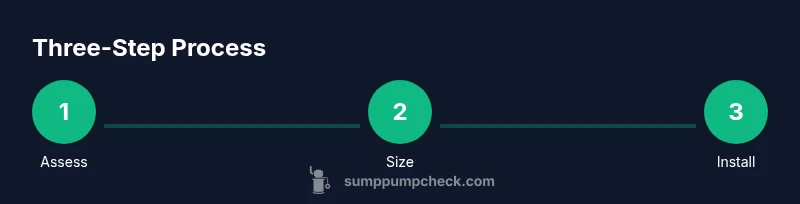
- Assess pool drainage needs before selecting a pump.
- Size and install with a proper head and safe discharge path.
- Prioritize electrical safety and code compliance.
- Maintain the system regularly to prevent failures.