Sump Pump Repair Dallas: A Practical Step-by-Step Guide
Learn how to diagnose and repair sump pump issues in Dallas with a practical, step-by-step guide. Tools, safety tips, and maintenance to prevent basement flooding.


Looking to fix a sump pump in Dallas? This guide helps homeowners diagnose and repair common problems quickly and safely. You’ll learn critical checks, required tools, and a step-by-step process to identify clogs, test the float switch, inspect power and wiring, and verify proper drainage and backup options. By the end, you’ll know when to DIY vs. call a pro.
Dallas Sump Pump Repair in Dallas: Why It Matters
Sump pump failures are a leading cause of basement flooding in homes across the Dallas area, especially during heavy rains and rapid groundwater changes. The goal of sump pump repair dallas efforts is to restore reliable water removal before floodwaters can cause costly damage. According to Sump Pump Check, many Dallas-area homes face reliability challenges when storms hit and equipment ages. This guide explains the why and how: what to check, which tools you’ll need, and practical fixes you can perform yourself or decide when a professional should step in. You’ll also learn how to plan for seasonal maintenance to reduce future risk and stretch the life of your pump.
Throughout this guide, we’ll reference common Dallas scenarios—shallow basements, clogged discharge lines, and power interruptions—that affect pump performance. We’ll emphasize safety first, including turning off power to the pump, using protective gear, and testing in a controlled way. The aim is to give you a clear, actionable path to restore function without guesswork or unnecessary expense. By understanding the system’s basics and recognizing the early warning signs, you’ll be better prepared to tackle issues fast and avoid repeated failures.
Key takeaway: A functioning sump pump is your first line of defense against water intrusion in Dallas homes. Proper diagnosis, the right tools, and a calm, methodical approach dramatically improve success rates and reduce costly emergencies.
Common Problems in Dallas Homes
In Dallas, several recurring sump pump issues create headaches for homeowners. The most common include clogged intakes and discharge lines, jammed float switches, blown fuses or tripped circuits, and worn impellers. Debris and sediment can block the pit, reducing pump efficiency and leading to overheating. If the discharge line is blocked or frozen, water has nowhere to go, causing the pump to run continuously and wear out prematurely. Aging pumps may fail to start when water reaches the pit, especially after a storm when groundwater pressure spikes. Electrical problems—bad wiring, corroded connections, or a failed switch—are especially dangerous because water and electricity are a hazardous combination. Remember, even a quiet beeping alarm or a slight vibration could signal an underlying fault.
From a Dallas-specific perspective, power quality during storms and utility outages can aggravate pump failure. In some cases, homeowners experience nuisance floods due to a high water table or inadequate basement drainage, not just a faulty pump. Identifying the root cause—electrical vs. mechanical vs. drainage—is essential before any replacement or repair decisions. By proactively inspecting the pump’s status and the surrounding components, you can lower the risk of repeat failures between rain events.
Brand note: The Sump Pump Check team emphasizes that accurate diagnosis begins with a clean pit, a quick electrical check, and a simple test of the pump’s cycling behavior. This approach reduces guesswork and helps you decide whether to repair or replace. If you notice persistent issues or alarm beeps after a fix, re-check the connections and consider a professional assessment.
Tools and Safety Precautions
Before you begin sump pump repair dallas tasks, assemble the right tools and observe safety best practices. Protect yourself with rubber gloves, safety glasses, and sturdy boots. Always shut off power to the sump pump at the circuit breaker before touching any electrical components. A non-contact voltage tester is a smart safety tool to confirm the line is dead. Keep a bucket and towels nearby for any water spills, and have a shop vacuum handy for debris in the pit. A flashlight or headlamp is essential because basements and pits are often dim.
Safety first also means understanding the pump’s electrical requirements and local codes. If your pump is plugged into a GFCI outlet, ensure it trips as expected, and verify that the outlet remains dry and accessible. For troubleshooting, a basic multimeter helps test continuity and voltage at essential points. When in doubt about wiring, consult a licensed electrician; water and electricity are a dangerous mix, and incorrect wiring can create severe hazards. Finally, document the repair steps and any part replacements to track the pump’s performance over time.
Brand cue: Sump Pump Check recommends starting with a clean pit and a safety-first mindset. If you feel unsure at any point, pause and seek professional help. A coordinated approach prevents accidents and protects your home.
Step-by-Step Diagnostic and Repair Process
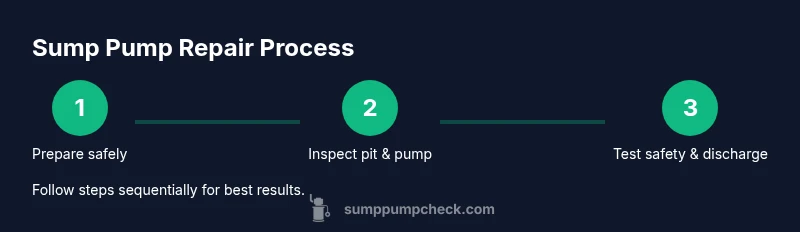
This section walks you through a practical, field-ready sequence to diagnose and repair common sump pump problems in Dallas homes. The steps are designed to be performed in a logical order, enabling you to isolate issues efficiently and avoid unnecessary replacements. Start with the basics and progress to more involved tests if needed. Remember to keep the environment safe and take notes on findings for future reference.
-
Prepare safely and disconnect power. Turn off the circuit breaker feeding the sump pump and unplug the unit if possible. Confirm with a non-contact voltage tester that no current is present. If the pump sits in standing water near live wiring, call a professional and avoid touching anything.
-
Inspect the sump pit and pump housing. Look for debris buildup, sediment, or signs of corrosion. Remove loose debris with gloves and a small scoop. Check that the pit is deep enough for the pump and that hoses or pipes aren’t loose or cracked.
-
Test the float switch. Gently lift the float to simulate rising water and observe whether the pump activates. If the switch sticks or fails to trigger, clean it and lubricate the hinge if recommended by the manufacturer. If the switch remains unresponsive, replacement may be necessary.
-
Check the power supply, circuit and wiring. Inspect the plug, power cord, and the outlet for faults. If the outlet is worn or damaged, replace it. Verify the fuse or breaker hasn’t tripped. A faulty cord or outlet can mimic pump problems, so rule this out early.
-
Clear intake and discharge lines. Remove any blocks at the intake screen. Inspect the discharge line for kinks, clogs, or freezing. If you notice a partial blockage, use a plumber’s snake or flexible brush to clear it. A blocked discharge often causes the pump to work harder and overheat.
-
Test pump operation with controlled water. Pour water into the pit to simulate a basin fill and watch the pump cycle. Listen for odd noises, vibrations, or grinding, which indicate worn bearings or impeller issues. If the pump runs but water doesn’t drain, reassess the discharge path and seals.
-
Assess replacement vs repair feasibility. If the impeller shows wear, the motor hums but fails to start, or the pump frequently overheats, replacement is usually more cost-effective than a continuing repair cycle.
-
Document findings and plan maintenance. Record what was checked, what was replaced, and the next inspection date. Schedule seasonal tests and cleanings to maintain reliability. A proactive maintenance plan reduces future repairs and protects your Dallas home from flood risk.
Pro tip: If you’re unsure about electrical parts or persistent faults, contact a licensed plumber or electrician. A professional evaluation often saves time and money in the long run.
Maintenance Tips to Prevent Future Failures
Prevention is cheaper than emergency repairs. Establish a simple maintenance routine that keeps Dallas basements dry and pump-ready. Start with regular visual checks of the sump pit, discharge line, and pump housing every 3–6 months, especially before and after storm seasons. Clean the pit to remove sediment and debris that can impede function. Replace worn seals or bearings before they fail, and keep the discharge area clear of debris, ice, or snow to avoid backflow.
Install a battery backup system where possible. Power outages during storms are common in Dallas, and a backup pump can provide critical protection when the primary unit loses power. Consider installing a check valve to prevent backflow into the pit, and ensure the piping is appropriately pitched for gravity drainage. Use a drainage mat or grate in areas prone to dampness to manage moisture while you work. Finally, test annually and after any major storm to ensure readiness.
Sump Pump Check guidance: Regular checks are essential to catch issues early. With routine maintenance, you’ll be less likely to face unexpected floods and costly repairs, particularly in flood-prone Dallas neighborhoods.
Cost Considerations and When to Repair vs Replace
Repair costs for sump pumps in Dallas can vary widely depending on the problem, the pump’s age, and the required parts. Common fixes such as replacing a float switch or cleaning the pit are typically less expensive than motor or impeller replacements. When the unit is old, corroded, or repeatedly failing, replacement often delivers greater reliability and longer-term savings. Budgeting for a backup system or a new pump with an efficient motor is prudent in regions with seasonal storms.
From a decision-making perspective, weigh the cost of a repair against the price of a new unit, installation, and potential backup options. If the repair would only extend the life by a short period or requires frequent technicians, replacement may be the better option. In many Dallas homes, a mid-range, energy-efficient model paired with a check valve and basic maintenance yields the best balance of upfront cost and long-term reliability. Consult with a local professional to get a formal estimate that considers your home’s specifics.
Brand note: Sump Pump Check analysis shows that homeowners who invest in a backup system and routine maintenance reduce flood risk and long-term costs. A thoughtful upgrade now can pay off during the next heavy rainfall season.
Real-Life Case Studies: Dallas DIY vs Pro Repair
In several Dallas neighborhoods, homeowners who attempted DIY repairs saved money upfront but faced multiple call-backs when first fixes failed to hold under heavy rain. These cases highlight the importance of proper diagnosis and safe practices. Conversely, pro-guided repairs, though more expensive upfront, often deliver durable outcomes, particularly when they include a service plan and backup options. For homeowners who enjoy DIY work, handling minor maintenance (like removing debris and replacing a float switch) can be a smart project, but larger electrical or pump replacement tasks should be left to licensed professionals.
When deciding between DIY and pro repair, consider factors such as the pump’s age, the complexity of the electrical connections, and the potential for ongoing water intrusion. A staged approach—start with simple maintenance, then escalate to professional assessment if alarms persist—often yields the best results. Remember, a properly repaired sump pump protects your most valuable asset: your home and its basement.
Brand note: The Sump Pump Check team emphasizes that in Dallas, a measured, safety-first approach reduces risk and improves outcomes. A pro assessment combined with a maintenance plan tends to deliver the most reliable results long-term.
Tools & Materials
- Safety gear (gloves, goggles, boots)(Rubber gloves; eye protection; non-slip footwear)
- Non-contact voltage tester(Verify power is off before touching any wires)
- Adjustable wrench(For hose clamps and fittings)
- Screwdrivers (flathead & Phillips)(General fastener removal)
- Pliers (needle-nose and channel-lock)(Grip and manipulate components)
- Bucket and towels(Contain spills; keep area dry)
- Shop vacuum or wet/dry vacuum(Clean up sediment and standing water)
- Multimeter or voltage tester(Check electrical continuity and voltage)
- Flashlight or headlamp(Work in dim pits or basements)
- Replacement float switch or impeller kit(On-hand spares for common failures)
- Discharge hose brush or snake(Clear clogs in discharge line)
- Backup power supply (battery)(Optional for power outages)
Steps
Estimated time: 60-90 minutes
- 1
Prepare safely and disconnect power
Turn off the circuit breaker feeding the sump pump and unplug the unit if possible. Confirm no voltage with a non-contact tester. This protects you from electric shock while you inspect the system.
Tip: If you smell burning insulation or see melted components, stop and call a professional. - 2
Inspect the sump pit and pump housing
Look for debris, sediment, or cracks in the pit walls. Remove loose material carefully and check that the pump sits level. A tilted pump can fail to cycle correctly.
Tip: Take photos of the setup before disassembly for reference. - 3
Test the float switch
Manually lift the float and observe if the pump starts. If it doesn’t, clean the switch and hinge, and test again. Replace the switch if it remains unresponsive.
Tip: Ensure the float has full movement without obstruction. - 4
Check power supply and wiring
Inspect the plug, cord, and outlet for damage. If the outlet is GFCI-protected, test the reset and ensure it trips correctly. Repair or replace damaged wiring as needed.
Tip: Never pull on cords; handle connectors gently to avoid further damage. - 5
Clear intake and discharge lines
Remove debris from the intake screen and verify the discharge line is free of clogs. If a blockage is found, use a flexible snake or brush to clear it.
Tip: Avoid using harsh chemicals in the sump pit; they can harm seals. - 6
Test operation with controlled water
Pour water into the pit and observe the pump cycle. Listen for grinding, knocking, or erratic operation that signals wear or misalignment.
Tip: Operate in a well-ventilated area to avoid fumes from stressed motors. - 7
Evaluate replacement vs repair
If the pump is old or repeatedly fails after fixes, replacement may be more cost-effective than ongoing repairs.
Tip: Compute long-term costs, including energy use and maintenance intervals. - 8
Document and schedule maintenance
Record what was checked, parts replaced, and when the next inspection should occur. Establish a biannual maintenance routine.
Tip: Keep spare parts and manuals in a dedicated tool box for quick access.
FAQ
What are the most common sump pump problems in Dallas homes?
The most frequent issues include clogged intake and discharge lines, stuck float switches, blown fuses, and worn impellers. Debris and sediment can reduce efficiency and cause overheating, especially during rain events. Electrical problems are dangerous and require careful testing.
Common Dallas sump pump problems include clogs, a stuck float switch, and electrical issues that require careful testing.
When should I repair vs replace a sump pump?
Repair is often suitable for minor wear or newer pumps with available replacement parts. If the motor is failing, the pump is old, or repairs would be frequent, replacement is usually more cost-effective and reliable in the long run.
If the pump is old or repairs would be frequent, replacement is often the better choice.
Is it safe to test my sump pump during a storm?
Testing during a storm is risky and generally not advised because of potential electrical hazards. If you must test, do it from a location with quick access to the main power switch and a dry environment, and consider calling a professional for guidance.
Testing during a storm is risky; if you must, ensure you can cut power quickly and stay safe.
How long does a sump pump repair usually take?
A simple repair can take 30–60 minutes, while more complex fixes or component replacements may require 1–2 hours plus parts. If a professional is needed, schedule around your availability and weather timing.
Most repairs take one to two hours depending on complexity.
Do I need a permit to repair a sump pump in Dallas?
Most sump pump repairs do not require a city permit, but any plumbing or electrical work may trigger code compliance checks. Always check local codes or consult a licensed professional if in doubt.
Permits are usually not required for simple sump pump repairs, but verify local codes.
Can a discharge check valve prevent backflow into the pit?
Yes. A properly installed discharge check valve prevents water from flowing back into the sump pit, improving efficiency and reducing cycling. Ensure correct orientation and seal during installation.
A check valve stops backflow and helps the pump run more efficiently.
Watch Video
Top Takeaways
- Inspect the pit, pump, and lines before repairing.
- Safety first: shut off power and test components with proper tools.
- Decide between repair and replacement based on age and reliability.
- Regular maintenance reduces future flood risk.
- Consider a backup pump for storm resilience.