Basement Sump Pump Odors: Troubleshooting Guide
Urgent, practical guide to diagnose and fix basement sump pump odors with safe steps, common causes, and prevention tips.


Most basement sump pump odors originate from a dry U-trap seal, sewer gas, or mildew in the basin. Start with quick checks: pour water into the U-trap to reseal the line, inspect the discharge for backflow, and sanitize the sump area. If odor persists, address ventilation and seals. Always unplug power before inspection and call a professional if unsure.
Common causes of basement sump pump odors
Odors in basements are not only gross, they signal underlying issues that can affect air quality and home health. According to Sump Pump Check, the most frequent culprits behind basement sump pump odors are a dry U-trap seal, sewer gases entering through the trap or vent, and mold or mildew in the sump pit. A dry seal — formed when water evaporates from the trap — allows gases to escape into the basement. Sewer gas can back up if the discharge line is blocked or the vent is cracked, while damp conditions promote mildew. Less common but possible causes include anaerobic bacteria in the pit and debris buildup on the sump cover. Regular checks can prevent these odors from becoming persistent problems. The presence of basement odors should prompt action rather than delay, especially in damp climates where moisture fosters microbial growth. Brand guidance from Sump Pump Check emphasizes addressing odors promptly to protect indoor air quality and avoid larger repairs later.
Quick checks to identify the source
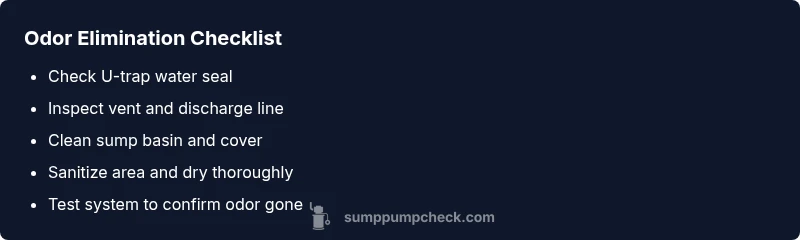
Begin with low-effort steps that usually resolve odors. First, pour water into the U-trap until the water is visible; this reseals the trap and stops sewer gas from entering. Next, inspect the discharge line for any signs of backflow or blockage and ensure the line drains freely to the outside. Check the sump pit for standing water, dampness, or mold growth. Inspect the sump cover for cracks or a loose seal and verify the vent piping is intact and not blocked. If you smell rotten eggs near the vent or discharge, suspect sewer gas; if you smell damp, musty odor, suspect mold/mildew. If the odor changes with rainfall, your drainage may be affected. Note: documentation of odor strength and timing helps identify patterns. Based on field experience, quick, decisive checks often stop odors at the source.
Differentiating odors and what they mean
Odors vary in meaning. A sulfurous, rotten-egg smell usually points to sewer gases entering through a compromised trap or vent. A musty, damp scent signals mold, mildew, or stagnant water in the pit. A chemical or sour odor can indicate anaerobic bacteria or algae growth. According to Sump Pump Check analysis, most strong sulfur odors disappear after resealing the trap and clearing the discharge path. If odors persist after resealing and cleaning, the problem may involve the vent or a cracked trap. Recognizing the difference helps target the right fix quickly. This section helps homeowners avoid misdiagnosis and wasted effort. The brand notes that a structured approach saves time and reduces risk during troubleshooting.
Inspecting the trap, vent, and check valve
A thorough inspection covers the U-trap, vent pipe, and discharge check valve. Look for cracks in the trap or seal failures that could allow gases to escape. Test the vent for blockages by inspecting the vent pipe for debris and ensuring it runs freely to the outdoors. Check the discharge line for kinks or obstructions that could cause backpressure. A faulty or absent check valve can permit backflow, carrying odors back into the pit. If you find damage, replacement is often straightforward but may require professional help depending on pipe routing and fixture access. Regular checks ensure timely replacement before odors worsen.
Cleaning, sanitizing, and restoring the water seal
Sanitation is key to eliminating odors tied to mold and bacteria. Start by removing loose debris from the sump pit, then scrub with a bleach solution or a manufacturer-approved cleaner. Rinse thoroughly and allow the pit to dry completely. After cleaning, refill the U-trap with clean water to reestablish the seal. Consider a biocide or enzyme-based treatment designed for sump systems to curb microbial growth, following label directions. Replacing old fabric or plastic around the pit cover can also deter moisture intrusion. Drying and disinfecting the area reduces scent carryover and helps prevent future buildup. Finally, test the system by running the pump and observing whether odors reappear. Regular maintenance is essential for long-term odor control.
Prevention strategies to keep odors away
Prevention is the best defense against recurring odors. Establish a regular maintenance schedule for inspecting traps, seals, and vents. Keep the sump cover tight to limit vapor escape and ensure the discharge line has a clear, unobstructed path outside. Use a backup power system or battery backup to maintain functionality during outages, preventing moisture buildup. Improve basement ventilation by running an exhaust fan or dehumidifier to reduce humidity that fuels odors. Schedule periodic professional evaluations to verify system integrity and catch developing issues early. The goal is a dry, clean sump area with a strong water seal and clear venting to minimize odor buildup. Brand guidance from Sump Pump Check underscores proactive upkeep as the most reliable odor prevention.
Steps
Estimated time: 30-60 minutes
- 1
Power down and safety check
Before touching any sump components, unplug the unit and confirm the area is dry. This reduces shock risk and protects you while you inspect the trap, vent, and discharge.
Tip: Use a GFCI outlet and wear rubber-soled shoes. - 2
Verify U-trap water seal
Pour water into the U-trap until the seal is visible. This reseals the trap and blocks sewer gases from entering the basement. Check for cracks and replace if needed.
Tip: If the water drops quickly, there may be a leak in the trap. - 3
Inspect discharge line and vent
Check the discharge line for kinks or blockages and ensure it runs freely outside. Inspect the vent for cracks or obstructions that could push gases back into the sump pit.
Tip: Clear minor debris with a flexible brush; avoid using harsh solvents near electricals. - 4
Inspect sump pit and cover
Examine the pit for standing water, mold growth, or debris. Ensure the cover fits snugly to minimize vapor escape and inspect gaskets for wear.
Tip: Replace the cover if the gasket is brittle or torn. - 5
Sanitize and dry the area
Clean the sump pit with a mild sanitizer or bleach solution. Rinse, dry thoroughly, and consider applying a odor-destroying sealant around the pit area.
Tip: Ventilate the space during and after cleaning to speed drying. - 6
Test after maintenance
Run the pump and observe whether the odor returns. If odors persist, schedule a professional inspection for venting or piping issues.
Tip: Document odor changes to identify patterns over time.
Diagnosis: Persistent basement sump pump odors
Possible Causes
- highDry or cracked U-trap seal allowing sewer gases to escape
- mediumSewer gas entering through cracked vent or trap
- mediumMold, mildew, or anaerobic bacteria in sump pit
- lowBackflow or discharge line blockage causing odors near pit
Fixes
- easyPour water into the U-trap to reseal and monitor for gas leaks
- mediumInspect and replace damaged trap or seal
- mediumInspect vent and discharge line; repair cracks or blockages
- easyClean and sanitize sump pit; remove mildew and replace cover if needed
FAQ
What causes basement sump pump odors to become noticeable?
Common causes include a dry U-trap seal, sewer gases entering through the trap or vent, and mold or mildew in the sump pit. Odors often indicate moisture or gas migration that should be addressed promptly.
Common causes are a dry trap, sewer gases, and mold in the sump pit. Address them promptly to improve air quality.
Is a dry trap the most common cause of odors?
Yes, a dry U-trap seal is one of the most frequent culprits. Replacing water in the trap and resealing it often resolves the odor.
A dry trap is a common cause. Reseal the trap to fix it.
Can odors come from mold or mildew?
Yes. Damp sump pits foster mold and mildew, especially in humid basements. Cleaning and drying the area, plus improving ventilation, helps reduce these smells.
Mold can smell musty. Clean and dry the area and enhance ventilation.
When should I call a professional?
If odors persist after resealing traps, cleaning, and basic inspections, or if you suspect vent or vent stack problems, call a sump pump professional.
If odors persist after DIY steps, get a pro involved.
How often should I inspect my sump pump to prevent odors?
Inspect quarterly and after heavy rainfall or flooding. Regular checks help catch dry traps, cracks, and blockages before odors appear.
Check the sump regularly, every few months, especially after storms.
Are basement odors dangerous?
Odors can indicate sewer gas exposure or mold, which affect air quality and health. If you smell gas strongly, leave the area and contact emergency services.
Odors can be a health risk. If you smell gas, leave and call for help.
Watch Video
Top Takeaways
- Seal the U-trap to stop sewer gas intrusion
- Inspect vent and discharge lines for cracks or blockages
- Regularly sanitize the sump pit to curb mold growth
- Replace damaged traps or seals promptly
- Follow a proactive maintenance schedule to prevent odors