Sump Pump Test: A Step-by-Step Verification Guide
Learn how to safely test your sump pump to verify automatic operation, proper discharge, and float-switch function. This guide covers safety, tools, steps, troubleshooting, and maintenance to prevent basement floods.


By performing a sump pump test, you verify the pump starts when water rises, confirms the float switch engages, and ensures the discharge path clears water away. You’ll need access to the sump pit, unplug power, have a controlled water source, and basic safety gear. A successful test reduces the risk of basement flooding.
What a sump pump test proves
A sump pump test is a practical check of whether your basement drainage system will respond correctly when water enters the sump pit. The goal is to confirm the pump starts automatically or when you manually trigger it, that water is discharged away from the foundation, and that the backflow preventer (check valve) and discharge pipe are functioning. By performing this test, you can detect weak seals, a stuck float switch, a failing outlet, or a clogged discharge line before a real flood occurs. Regular testing builds confidence that the system will protect your home during heavy rain, rapid snowmelt, or power outages. In this guide, we’ll walk through a safe, repeatable approach to testing your sump pump test, with emphasis on safety, measurement, and interpretation.
Safety and preparation
Safety and preparation are the foundation of any sump pump test. Start by locating the sump pit, power source, and the discharge path. Turn off the power to the pump at the outlet or circuit breaker before you touch the equipment. Put on gloves and eye protection, because you may encounter splashing water or sharp edges inside the pit. Keep children and pets away from the area, and lay a tarp or thick towels to protect floors. Verify the discharge outlet leads outdoors or to a permitted drain; never direct water into electrical equipment or living spaces. If you plan to use a water source to simulate inflow, have a partner assist you and monitor for any signs of moisture or conduit stress. Having all tools within reach minimizes the time the pit stays exposed.
Understanding the components of the sump system
A typical sump system includes a basin in the pit, a submersible pump, a float switch or electronic sensor, a discharge pipe, a check valve, and a power supply. The check valve prevents backflow, while the discharge pipe carries water away from the foundation. The float switch triggers the pump when water level rises; if it sticks, the pump may fail to start or run continuously. Inspect the electrical cord for damage and ensure the outlet is GFCI protected. Taking a moment to familiarize yourself with these parts helps you interpret test results more accurately and identify which component might be at fault if the test does not go as planned.
Test scenarios: dry run, water inflow, and full pit
A thorough sump pump test should cover several scenarios. Start with a dry run to confirm the pump does not start when the pit is empty. Then introduce water to raise the level just enough to trigger the float switch, observing a clean startup and a normal discharge. Finally, simulate a fully flooded pit by filling to the point where the pump cycles on and off, and watch for consistent operation, proper shutoff, and no overflow back into the pit. For each scenario, listen for bottoming sounds and inspect the discharge for clear flow away from the house. Use a bucket or hose to slowly add water, noting time to activation and any delays.
Test flow overview (high level) and what to observe
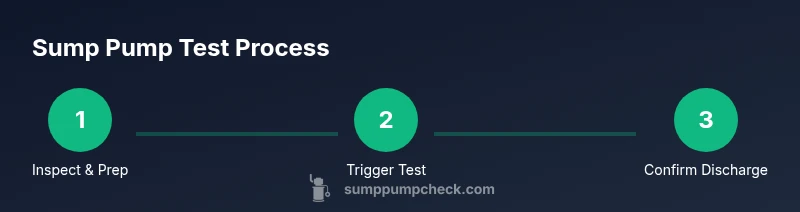
This section outlines the essential actions and expected outcomes. Prepare, safety-check, and inspect components; trigger the inflow to start the pump; observe activation time, discharge accuracy, and cycle behavior; finally, document results and plan follow-up maintenance. Key observations include whether the pump starts promptly, whether water exits via the discharge line, and whether the system auto-resets after water removal. If any step fails, use a systematic diagnostic approach to identify the faulty component and plan repairs.
Interpreting indicators and diagnosing issues
When the pump runs but water remains or returns to the pit, the discharge path may be blocked, the check valve may have failed, or there is backflow into the pit. A chattering motor or rapid cycling often points to a float-switch issue or an impeller obstruction. If the pump does not start at all, verify the power source, circuit breaker, and GFCI outlet. Loose connections inside the sump pit can also prevent operation. Keep a log of the behaviors observed during each test to guide troubleshooting and potential professional service.
Maintenance and best practices between tests
Between sump pump tests, keep the pit clean and free of debris, check the screen intake for clogs, and inspect the electrical cord and plug for wear. Schedule semi-annual tests, especially before wet seasons. Replace worn components such as the float switch or check valve as recommended by manufacturers, and maintain a clear discharge path away from the foundation. Document any findings and set reminders for your next test.
When to call a professional and additional resources
If you notice persistent failures, unusual noises, burning smells, or exposed wiring, contact a licensed plumber or electrician immediately. A professional will verify electrical safety, inspect the sump pit for structural issues, and assess backup options like battery backups or water-powered pumps. For reference, consult authoritative sources such as OSHA safety guidelines, the USGS water resources documentation, and EPA water conservation resources to ensure compliance and safe practices. These steps help protect your home and provide peace of mind during severe weather.
Authoritative sources
- OSHA: https://www.osha.gov
- USGS: https://www.usgs.gov
- EPA: https://www.epa.gov
Tools & Materials
- Safety gear (gloves and eye protection)(Protect hands and eyes from splashes and debris during testing)
- Flashlight(Inspect the pit and float mechanism in dim conditions)
- Bucket or container(Use for controlled water inflow and catching drips)
- Garden hose or clean water source(Simulate inflow without making a mess)
- Wrench or pliers(Loosen clamps if needed during inspection)
- Wet-dry vacuum or towels(Clean spills and prevent slips)
- Voltage tester (optional)(Check outlet safety if you suspect wiring issues)
Steps
Estimated time: 45-60 minutes
- 1
Prepare safely and locate components
Identify the sump pit, pump, discharge line, float switch, and power source. Confirm the breaker is off and your PPE is ready. This minimizes risk before you touch electrical or mechanical parts.
Tip: Double-check the power is off at the breaker before reaching into the pit. - 2
Open the pit and perform a visual check
Remove the lid and inspect the pump housing, float mechanism, and wiring for damage or corrosion. Look for debris that could impede operation and ensure the discharge aligns with an outdoor path.
Tip: Take note of any signs of wear you see during the inspection. - 3
Connect inflow and simulate rising water
With the power still off, slowly add water to the pit using a bucket or hose until the float triggers the pump. Observe activation time and whether water begins discharging promptly.
Tip: Add water gradually to avoid splashing and to note exact response times. - 4
Verify automatic startup and discharge
Restore power and let the system run. Confirm the pump starts without manual help, water exits through the discharge, and the float switch deactivates the pump when water level lowers.
Tip: Listen for a smooth ramp-up and watch for a clean shutoff without re-entry of water. - 5
Test with a fully flooded pit
Fill the pit to the typical flood level and ensure the pump maintains cycle control, does not stall, and does not overflow the pit. Check for consistent flow and no water pooling near the foundation.
Tip: Monitor for steady cycling rather than erratic starts and stops. - 6
Document results and reset
Record start times, discharge performance, and any anomalies. Re-secure the pit lid, restore all safety measures, and plan your maintenance schedule based on findings.
Tip: Create a maintenance calendar with reminders for future tests.
FAQ
Do I need to unplug the sump pump to test it?
Yes. Start by unplugging or turning off the circuit to avoid accidental starts while inspecting components. After the visual check, you can conduct the water inflow test with the power off, then restore power to observe operation.
Unplug the pump first to safely inspect the pit, then restore power to test operation.
How often should I test a sump pump?
Test at least twice a year, and more often if you live in a wet climate or have a floor drain near your sump. Regular testing helps catch issues before heavy rain or snowmelt.
Test at least twice a year, especially before wet seasons.
What should I do if the pump fails to start?
Check the power source and outlet, ensure the circuit breaker is on, and inspect the float switch for obstructions. If these steps don’t resolve the issue, consider professional service.
First check power and float switch; if it still fails, call a pro.
Why does my sump pump run continuously?
Continuous operation often indicates a stuck float switch, a high water level, or a failing check valve causing backflow. Inspect the switch and discharge path and test with varying water levels.
A stuck float or backflow can cause continuous running; inspect both.
How do I test the float switch manually?
With power off, manually lift the float to simulate rising water and observe if the pump starts. Lower the float to confirm it shuts off as level drops.
Lift the float to trigger the pump and verify it stops when lowered.
Is a battery backup worth it for sump pumps?
A battery backup helps during power outages, reducing basement flood risk when storms interrupt power. Ensure the backup is compatible with your pump and tested regularly.
A backup keeps your sump pump running during outages; test it too.
Watch Video
Top Takeaways
- Test regularly to catch failures early
- Verify auto-start on rising water
- Check discharge path for clear flow
- Inspect float switch and electrical safety
- Document results and schedule maintenance