Sump Pump Inspection: A Practical How-To for Homeowners
Learn how to inspect and maintain your sump pump to prevent basement flooding. This step-by-step guide covers power checks, float-switch testing, discharge verification, backup readiness, and seasonal maintenance.


According to Sump Pump Check, a regular sump pump inspection reduces the risk of unexpected floods by catching problems early. In this guide, you'll learn how to inspect power, test operation, verify discharge paths, check the float switch, assess backup options, and set a maintenance schedule. Follow these steps to protect your basement.
What is a sump pump inspection and why it matters
A sump pump inspection is a proactive check of the components, wiring, and performance of a home's pumping system. It goes beyond a quick glance at the unit; it involves verifying the pump's readiness, the integrity of the discharge line, the operation of the float switch, and the backup options. Regular inspections help homeowners avoid basement flooding, reduce water damage, and extend the life of the equipment. According to Sump Pump Check, a regular sump pump inspection reduces the risk of unexpected floods by catching problems early. A thorough inspection also serves as a maintenance habit that supports overall basement drainage and protection. In many homes, issues such as a stuck float, corroded electrical contacts, clogged discharges, or a weak backup battery go unnoticed until a heavy rain storm exposes a failure. By performing a structured inspection, you can identify these early warning signs, document the findings, and plan repairs before they become emergencies. This section outlines what to look for, the tools you’ll need, and a step-by-step approach to perform a reliable inspection that you can do as part of your routine DIY maintenance.
Key components to inspect
A thorough sump pump inspection centers on several core components. The sump basin and pump housing should be visually inspected for cracks, corrosion, or signs of sediment buildup that could impede operation. The discharge path and check valve must be free of leaks and backflow, directing water away from the foundation. The electrical system—cords, outlets, and any GFCI protection—should be intact with no moisture intrusion. The float switch needs to move freely and trigger the pump, while the backup system (battery or second pump) should be ready for use and properly connected. Finally, any warning alarms or sensors present in the system should be tested to ensure alerts will sound in a flood event.
How to prepare for an inspection
Start by selecting a dry day if possible and clear the area around the sump pit. Gather tools and PPE so you can work safely without searching for items mid-inspection. For safety, unplug the unit or switch off the circuit feeding the pump before handling any electrical connections. Inspect the area for moisture, and ensure you have a bucket and towels handy to manage any incidental spills. Document the baseline condition before you start, noting any corrosion, loose wires, or unusual sounds. Having a plan reduces surprises and makes the inspection smoother.
Common signs of trouble and when to call a pro
Look for signs that the system is not functioning as intended: the pump runs continuously or won’t start, water remains in the pit after the float is triggered, or you hear grinding or humming noises. Leaks around the basin or discharge pipes, rust on metal components, or a weak discharge stream can indicate wear or blockages. If you identify persistent leaks, frequent nuisance tripping of GFCI outlets, or structural concerns in the basement, it’s prudent to contact a qualified plumber or sump-pump technician. Regular inspections can catch these warning signs early, allowing for timely repairs and minimizing flood risk.
Maintenance tips and seasonal checklist
Create a routine that includes a semi-annual inspection, especially before the rainy season. Clean the sump screen and pit to prevent clogs, and test the float switch to ensure it triggers at the correct water level. Inspect the discharge line for leaks and ensure it drains away from the foundation. Check the backup system’s charge or battery health and replace as needed. Keep a small maintenance log noting dates, findings, and repairs. This practice helps you track performance over time and plan replacements before a failure occurs. Sump Pump Check’s guidance emphasizes documenting results to support ongoing reliability.
Safety, codes, and future-proofing
Adhere to basic safety measures: never work on energized equipment, wear PPE, and keep the area dry. Verify your local codes regarding discharge drainage and GFCI protection, and maintain a safe clearance around the unit. Upgrading to a battery-backed backup system or adding a second pump can significantly improve resilience during outages. Consider upgrading worn components—such as the float switch and check valve—to modern, reliable models that reduce maintenance frequency. Regular inspections, aligned with local safety standards, help ensure long-term basement protection.
Testing and documentation: making it part of home maintenance
Make sump pump inspection part of your routine by creating a maintenance schedule and keeping a log. Record the date, what was inspected, any issues found, actions taken, and when components were replaced. This record makes future inspections faster and helps you spot trends, such as increasing pump cycles or deteriorating discharge lines. Use a simple checklist to ensure consistency across visits, and consider setting reminders for seasonal tests. A well-documented process fosters confidence and reduces the chance of overlooking critical maintenance tasks.
Tools & Materials
- Safety goggles(Protect eyes from splashes and debris in the sump pit)
- Work gloves(Waterproof gloves with good grip)
- Flashlight or headlamp(Bright, weather-resistant light to inspect corners of the pit)
- Screwdriver set (Phillips and flat-head)(Open/loose screws on cover and accessories)
- Multimeter or outlet tester(Check electrical power and grounding)
- Bucket or shallow pan(Catch water during testing and prevent spills)
- Tongs or long-reach grabber(Safely retrieve objects from pit without bending over)
- Old towels or rags(Cleanup and dry areas after test)
Steps
Estimated time: 60-90 minutes
- 1
Prepare safely
Clear the area around the sump pit and unplug the pump to prevent electrical shock. Gather your tools and PPE, and review the inspection plan before you begin. This ensures you work confidently and minimize accidents.
Tip: Double-check that the power cord is completely disconnected before touching any pump components. - 2
Inspect power and outlet
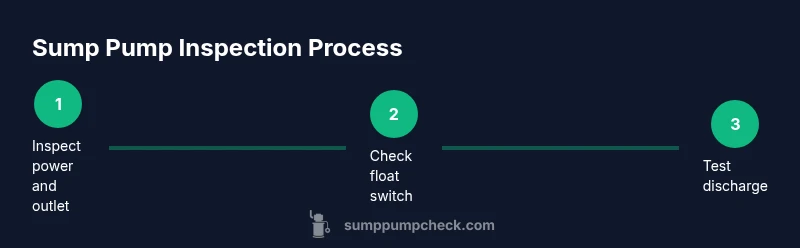
Visually inspect the electrical cord for cracks or moisture. Test the outlet with a dedicated tester or by plugging in a known-good device to confirm grounding and GFCI protection.
Tip: Do not rely on a visual test alone; use a tester if available to verify proper grounding. - 3
Check the sump pit and pump housing
Look for cracks in the basin, rust on metal components, and sediment buildup around the impeller. Clean visible debris from the pit and screen while ensuring the pump remains secure.
Tip: Avoid using metal tools that could scratch the surface of the basin. - 4
Test the float switch
Manually lift and release the float to confirm the switch activates the pump. Return the float to its resting position and ensure the pump stops when the water level falls.
Tip: If the float sticks, inspect the linkage and clean any obstruction.” - 5
Examine discharge path and check valve
Trace the discharge line to ensure water exits away from the foundation and verify the check valve prevents backflow. Look for kinks or leaks in the pipe.
Tip: Ensure the discharge path is not buried under snow or ice in winter. - 6
Inspect backup system
If you have a battery backup or a second pump, check battery health and test operation. Confirm connections are clean and dry.
Tip: Replace a weak battery promptly to maintain outage readiness. - 7
Run a functional test
Pour a small amount of water into the pit or simulate rain to observe normal operation. Verify all safety devices trigger and no leaks develop in the test setup.
Tip: Document the test results and any anomalies for future reference.
FAQ
How often should I inspect my sump pump?
A routine inspection should be performed at least twice a year and after major flooding or heavy rain events. This helps catch wear and potential failures early.
Inspect your sump pump twice a year, and after heavy rains to catch issues early.
Can I inspect the sump pump without removing it from the pit?
Yes. Many inspections can be performed with the unit in place, focusing on the cover, lid, discharge, and float mechanism. Some checks may require partial removal for access.
Yes, many checks can be done with the unit in the pit, but some may need partial removal.
What signs indicate a replacement is needed?
Frequent failures, corroded components, persistent leaks, or a pump that cannot maintain water removal during storms indicate it may be time to replace.
If failures keep happening or the pump struggles during storms, consider replacement.
Should I test with a dry run or during a wet condition?
A controlled dry test checks electrical and switch functions, while a simulated wet test confirms real pumping performance. Do not flood the space unnecessarily.
Do both dry and wet tests in safe conditions to verify all parts work as expected.
Do I need a professional for back-up batteries?
Battery backups can be tested by a homeowner if the unit is safe to access, but battery health and replacement should be performed by a professional if you’re unsure.
A pro can ensure proper battery health and replacement.
Is it safe to inspect a sump pump in a damp basement?
Exercise caution. Wear protective gear, keep tools dry, and avoid water contact with electricity. If the space is unsafe, hire a pro.
Be cautious in damp basements; use PPE and avoid live electrical contact.
Watch Video
Top Takeaways
- Inspect annually to prevent unexpected failures
- Test the float switch monthly for reliable auto operation
- Verify the discharge runs away from the foundation
- Keep a ready backup power source for outages
- Document tests and repairs for future reference