Sump Pump Odor Treatment: A Practical Home Guide
Learn how to diagnose, treat, and prevent odors from your sump pump and basement drainage with practical steps, safety tips, and maintenance routines.


Using proven, step-by-step odor control for your sump pump, you’ll identify odor sources, clean the basin, optimize venting, and implement preventive maintenance. This guide covers safety, common odor culprits (sewer gases, biofilm, mold), and practical treatments you can perform yourself. According to Sump Pump Check, a disciplined maintenance routine cuts odors and protects your basement.
What Causes Sump Pump Odor
Odors in basements with sump pumps usually come from sewer gas infiltration, biofilm in the basin or pipes, mold or mildew growth, stagnant water in the discharge line, or dry traps. According to Sump Pump Check, odors often originate from a combination of a dry trap and a cracked seal. Understanding these sources helps you target the right fix rather than spraying multiple products that may worsen the problem. Common culprits include:
- Sewer gas intrusion: Poor venting or a cracked sewer line can push gas into the basin.
- Biofilm and slime: Organic buildup on the basin walls and in pipes can emit sour, rotten odors.
- Mold/mildew: Damp basements foster mold that releases musty smells, especially near the sump lid.
- Stagnant discharge water: Water sitting in the discharge line or pit can decay and smell.
- Dry traps: When the water seal in traps evaporates, sewer gases can backflow into living spaces.
Tip: Odors often worsen after heavy rainfall or rapid temperature changes that pressure or backfill plumbing lines.
Safety First: PPE and Electrical Precautions
Safety should come before any cleaning or disassembly. The sump pump operates near electricity and water, creating a serious shock risk if mishandled. Wear PPE: chemical-resistant gloves, safety goggles, and a dust mask or respirator if you’re sensitive to mold spores. Before you touch the unit, shut off power at the circuit breaker and unplug the pump. If you can’t access the breaker safely, call a licensed electrician. After powering down, test that the unit cannot start by attempting to run the float switch manually with the cover removed. Keep a dry work area and never work with standing water around electrical components. By taking these precautions, you reduce the chance of injury and equipment damage.
Diagnosing the Odor: A Practical Check
Begin with a systematic check to locate the odor’s source. Start at the sump basin: a strong, sour smell often signals biofilm or sewer gas intrusion. Inspect the lid gasket for cracks or gaps and verify the trap seal is present in the standpipe and discharge line. Examine the discharge piping for cracks, leaks, or backflow. If you detect a gas-like odor, there may be sewer gases entering through the ventilation path or the pit’s trap. Consider temporarily closing interior vents and observing any change in odor intensity. Document findings so you can communicate them clearly to a professional if needed. A quick baseline cleaning can reveal whether odors are chemical, biological, or material in origin.
Odor Treatment Options: Cleaning, Neutralizers, and Venting
Several approaches work, depending on the odor source:
- Mechanical cleaning: Scrub the basin and lid with a stiff brush and mild detergent; rinse thoroughly and dry before resealing.
- Enzyme-based cleaners: Use products designed to digest biofilm without harming seals. Follow label directions and avoid mixing with household bleach or ammonia.
- Odor neutralizers: Baking soda or activated charcoal can absorb mild smells when placed near the sump lid, not inside the water.
- Venting and seals: Ensure the venting path is clear and consider a vent kit if your system lacks one. Replace cracked gaskets and ensure the trap has a water seal to block sewer gases.
- Disinfection: If biofilm is extensive, a dilute bleach solution can be used sparingly, but only if compatible with your pump’s materials and after removing metal parts. Never mix cleaners; rinse thoroughly and dry before reassembly.
Safety note: Always add cleaners to water, never directly to the basin, and ventilate the area well. After treatment, run the pump to clear residues and observe whether odors persist.
Preventive Maintenance to Keep Odors Away
Prevention is easier than remediation. Implement a routine that reduces the chance of future odors:
- Regular pumping: Schedule pump runs and inspections to prevent stagnant water and mineral buildup.
- Trap maintenance: Ensure the trap seal remains moist; refill if necessary to prevent gas seepage.
- Seal integrity: Inspect lids, gaskets, and the basin rim for gaps and replace damaged parts.
- Venting improvements: If your system lacks proper venting, install a dedicated vent line or check valve to minimize backdraft.
- Clean scheduling: Create a quarterly cleaning routine to remove biofilm and test the system’s operation.
- Record-keeping: Keep a log of odor incidents, cleaning actions, and pump performance so you can spot patterns over time.
Real-World Troubleshooting: Common Scenarios
Here are a few scenarios observed in homes similar to yours and practical fixes:
- Mild, musty odor after rain: Focus on venting and seal checks; clean the basin and ensure the trap is intact.
- Sour, rotten smell with visible slime: Deep clean the basin, apply enzyme cleaner, and consider replacing gaskets; inspect discharge pipe for cracks.
- Gas-like odor when the pump runs: Inspect for sewer gas intrusion, verify venting pathways, and test the trap seal; if unsure, call a professional to assess sewer line integrity.
Applying targeted fixes based on the odor type improves outcomes and reduces repeated problems.
When to Call a Pro
If odors persist after you’ve cleaned and reset the system, or you detect a strong sewer gas smell that doesn’t diminish, it’s time to involve a professional. A licensed plumber or sump-pump technician can check for deeper issues like cracked pipes, compromised seals, or drainage-system infiltration. If your home is older or you notice water damage or mold growth beyond the sump area, professional assessment is prudent to protect your health and property.
Quick Summary of Key Steps (for quick reference)
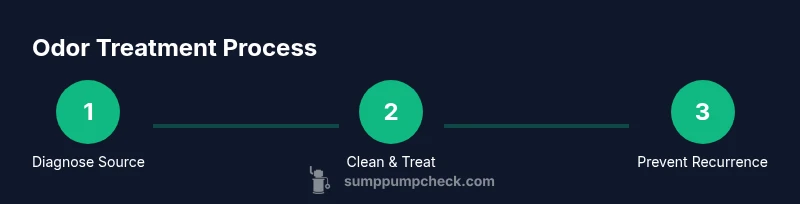
- Identify odor sources: seal integrity, venting, and biofilm.
- Clean and dry the sump basin and lid.
- Use enzymatic cleaners and avoid mixing chemicals.
- Improve venting and reseal traps to block sewer gases.
- Maintain a regular maintenance schedule to prevent recurrence.
- When in doubt, consult a pro to prevent costly damage.
Tools & Materials
- Power drill or screwdriver (for lid screws)(Only if lid has screws; otherwise skip)
- Nitrile gloves(Waterproof and chemical-resistant)
- Safety goggles(Protect eyes from splashes)
- Dust mask or respirator(Mold and spores protection)
- Bucket(For rinsing and holding cleaners)
- Stiff brush / scrub brush(Use on basin walls and lid)
- Old towels or rags(Drying and cleanup)
- Mild dish detergent(Gentle cleaner for basin)
- Baking soda(Natural odor absorber)
- White vinegar(Disinfectant and deodorizer combo used sparingly)
- Enzyme-based odor remover(Digest biofilm without harming seals)
- Activated charcoal (optional)(Additional odor absorption near lid)
- Rubber mallet (optional)(Gentle taps for sealed components)
Steps
Estimated time: 60-90 minutes
- 1
Power down and unplug the pump
Switch off the circuit breaker and unplug the sump pump to remove electrical shock risk. Verify the unit cannot restart on its own before handling any components.
Tip: Double-check the breaker with a non-contact tester. - 2
Open the basin and inspect
Remove the sump cover and inspect seals, gaskets, and the standpipe for cracks. If the trap seal is dry, add water to re-prime before cleaning to block gas entry.
Tip: Take photos of any damaged parts for reference. - 3
Clean the basin and lid
Scrub the basin interior and lid with mild detergent and a stiff brush. Rinse thoroughly and dry completely before reassembly to prevent residual odors.
Tip: Rinse from top to bottom to avoid redepositing debris. - 4
Apply odor treatment
Apply enzyme-based cleaner to the basin walls and pipes per label directions. Allow dwell time, then flush with clean water; avoid mixing with other cleaners.
Tip: Do not pour cleaners directly into moving pump components. - 5
Check venting and seals
Inspect vent lines and seals; replace cracked gaskets and ensure trap remains primed. If your system has a check valve, confirm it’s functioning properly to prevent backflow.
Tip: Perform a quick water test to confirm the trap remains moist. - 6
Test run and monitor
Plug the pump back in, run a test cycle, and observe for odor changes. If odors persist, record measurements and consult a professional.
Tip: Keep a log of odor intensity before and after each step.
FAQ
What causes odors in a sump pump?
Odors typically arise from sewer gas entering the basin, biofilm buildup, mold, or stagnant water in the discharge line. Dry traps can also permit gas escape.
Odors usually come from sewer gas, biofilm, or mold, often worsened by a dry trap.
Is it safe to use cleaners like bleach in the sump basin?
Bleach can degrade seals and react with other cleaners. If you use it, dilute it carefully, avoid mixing with ammonia and acids, and follow your pump manufacturer’s guidelines.
Bleach can damage seals and mix badly with other cleaners—use it sparingly and carefully.
What maintenance helps prevent odors long-term?
Regular pump cycling, keeping traps primed, inspecting seals, and ensuring proper venting are key preventive steps.
Regular cycling, primed traps, and good venting prevent odors long-term.
Do I need a professional for persistent odors?
Yes. If odors persist after cleaning or you smell gas that won’t go away, a licensed plumber or sump-pump technician should inspect for deeper issues.
If odors persist, contact a professional to check for deeper problems.
Can a vent or check valve reduce odor?
A properly installed vent and functioning check valve reduce backflow of sewer gases and improve odor control when correctly installed.
Yes, a vent and check valve can help, if installed correctly.
How often should I perform maintenance on a sump pump?
Do a quick quarterly check and a full inspection annually, adjusting based on usage and water quality.
Quick quarterly checks and a yearly full inspection work well.
Watch Video
Top Takeaways
- Identify odor sources before treatment.
- Clean and prime the trap to stop sewer gas entry.
- Enhance venting and seals to prevent recurrence.
- Maintain a regular, documented maintenance routine.