Sewage Ejector Pump Maintenance: A Homeowner’s Guide
Learn to perform sewage ejector pump maintenance safely with a homeowner-friendly, step-by-step guide covering inspection, cleaning, testing, and preventive care for reliable basement drainage.


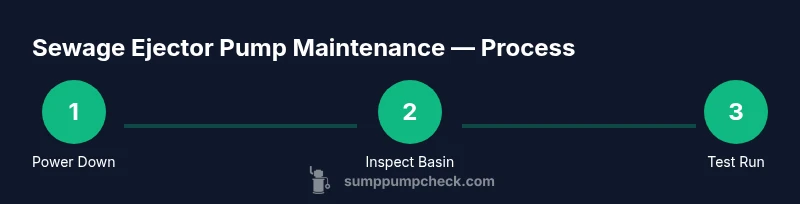
With proper sewage ejector pump maintenance, you prevent backups, reduce odors, and extend pump life. This guide walks you through a practical 8-step routine: power off, inspect the basin, test the float and alarm, clean the pump screen, empty the basin, check discharge and vent lines, reseal the lid, and run a test cycle. Safe, DIY-friendly tasks for homeowners.
Why sewage ejector pump maintenance matters
Understanding sewage ejector pump maintenance is essential for protecting your home's plumbing and basement environment. Regular care reduces the chance of clogs, odors, and costly backups. According to Sump Pump Check, routine maintenance helps homeowners avoid surprise failures and extend the life of the system. In residential setups, the pump handles waste and moisture from below-grade fixtures; keeping it in good shape means fewer headaches when heavy rains or rapid groundwater rises occur. A proactive maintenance habit also supports proper discharge, venting, and overall basement drainage performance. By staying on top of inspections, homeowners gain peace of mind and preserve home value while mitigating messy, inconvenient plumbing problems.
How a sewage ejector pump works (refresher)
A sewage ejector pump sits in a pump basin below the level of the home's main sewer line. When wastewater enters the basin, a float switch activates the pump, which pushes effluent up through the discharge pipe to the municipal line or septic system. The system includes a check valve, an airtight lid, and often an alarm that signals failures or high water. Understanding these parts helps you diagnose issues during maintenance and prevents unintended discharge or backflow. Regular checks ensure the float, switch, and alarm respond correctly when the basin fills.
Signs your system needs maintenance
Look for slow drainage, gurgling sounds, recurring odors, or wet spots around the basin lid. Frequent nuisance alarms or a failed auto-start signal also indicate a problem. Debris buildup, grease accumulation, or a blocked discharge line can prevent the pump from triggering, causing backups in the basement. If you notice sewage odor near the pit or damp, dampness around the control switches, treat it as a cue to inspect and service the unit promptly. Early detection saves expensive repairs and reduces sanitary risks.
Safety and preparation before maintenance
Power off the circuit breaker before opening the basin access lid, and wear protective gloves and eye protection. Do not enter the basin if water is present or if you are unsure about electrical safety. Place a sturdy bucket and towel nearby, and work in a well-ventilated area. Keep children and pets away during the process. Having a flashlight and a digital camera to document parts before you replace them helps with troubleshooting later.
Cleaning and inspecting components
Remove the lid and inspect the pump, float switch, and electrical connections. Clean the basin walls and the screen at the pump intake to remove hair, toilet tissue, and other debris. Wipe down contacts and verify that the power cord has no cuts or wear. While cleaning, check for corrosion or leaks around seals. If the pump shows signs of wear, plan for replacement; otherwise, reassemble carefully and ensure a tight seal to prevent sewer gases.
Post-maintenance test and documentation
Restore power and run a short test cycle with a small amount of water to verify the pump activates and discharges properly. Listen for normal operation and check that the alarm sounds if water rises. Recheck the discharge line for leaks and ensure the lid is sealed securely. Record the maintenance date, any parts replaced, and the next service interval for future reference.
Tools & Materials
- Safety gloves (nitrile or rubber)(Cover hands; 15-20 mil thickness recommended)
- Eye protection(Goggles or face shield)
- Flashlight(Bright LED with fresh batteries)
- Bucket (5 gallons)(For catching puddles or spills)
- Screwdriver set(Both flathead and Phillips)
- Adjustable wrench(For clamps and fittings)
- Pliers(Needle-nose preferred)
- Rags or towels(Absorb spills and clean surfaces)
- Plastic putty knife or spatula(Scrape debris from basin walls)
- Replacement float switch or alarm battery(Have on hand in case of failure)
- Non-contact voltage tester(Extra safety check for live components)
Steps
Estimated time: 60-90 minutes
- 1
Power down and safety check
Turn off the circuit breaker feeding the ejector pump. Verify there is no power to the unit before you touch any wiring. This step protects against electric shock during maintenance.
Tip: Always double-check with a non-contact tester before starting. - 2
Open the access lid and secure area
Remove the basin lid carefully and set it aside. Keep the area well-ventilated and free of obstacles. Visualize the components you’ll inspect.
Tip: Keep a towel handy to catch any residual moisture. - 3
Inspect float switch and alarm controls
Check that the float moves freely and triggers the pump. Test the audible alarm or indicator to ensure it works properly.
Tip: If the float sticks, do not force movement; note for replacement. - 4
Clean the pump intake screen
Remove debris from the intake screen and basin walls. Wipe corrosion from connections and ensure there are no cracks in seals.
Tip: Use a soft brush to avoid scratching metal parts. - 5
Check discharge line and check valve
Inspect the discharge pipe for blockages and ensure the check valve seals properly to prevent backflow.
Tip: Look for cracks that could leak sewer gases. - 6
Reassemble and reseal lid
Reattach the lid firmly, ensuring the gasket is intact to prevent odors. Restore power only after checking all connections.
Tip: Ensure no tools are left inside the basin. - 7
Run a test cycle
Pour a small amount of water to simulate wastewater and verify the pump activates, discharges, and the alarm responds.
Tip: Document the test outcome for your records. - 8
Document results and schedule next service
Record the maintenance date, observations, and parts replaced. Schedule the next inspection based on usage and local weather patterns.
Tip: Set a reminder to repeat maintenance in 6-12 months.
FAQ
How often should I perform sewage ejector pump maintenance?
Most homeowners perform quarterly checks and an annual professional service. Regular attention helps catch wear before failures occur and keeps the system working when you need it most.
Most homeowners perform quarterly checks and an annual professional service. Regular attention helps catch wear before failures happen and keeps the system working when you need it.
What are common signs of a failing sewage ejector pump?
Slow drainage, frequent backups, gurgling sounds, and persistent odors near the basin often indicate a problem with the pump, float switch, or discharge line.
Slow drainage, backups, gurgling sounds, and odors near the basin often indicate a problem.
Can I perform maintenance myself, or should I hire a professional?
Basic maintenance can be done by homeowners with care and the right safety precautions. More complex issues, such as persistent leaks or electrical faults, should be handled by a licensed plumber or technician.
Basic maintenance can be done by homeowners with safety precautions; complex issues should be handled by a licensed pro.
What safety precautions are essential when inspecting a sewage ejector pump?
Always shut off power at the breaker, wear PPE, and never work inside a full basin without professional guidance. Ensure good ventilation and keep kids and pets away.
Always shut off power at the breaker, wear PPE, and keep kids and pets away. Ventilate the area.
What should I do if I smell sewage around the pit after maintenance?
If you detect odors, stop work, reseal the lid, inspect seals, and contact a professional if the odor persists. Odors can indicate ventilation issues or leaks that require expert assessment.
If you smell sewage, stop, reseal the lid, and contact a pro if it continues. It can signal leaks or ventilation problems.
Watch Video
Top Takeaways
- Schedule regular maintenance for reliability.
- Always power down before inspecting the basin.
- Test float switch, alarm, and discharge path during each maintenance.
- Document maintenance and plan the next service date.
- Call a pro if you encounter persistent odors, leaks, or electrical concerns.